



Welcome to the Faculty Development Center!
The goals of our work align with those of the UMBC Strategic Plan to:
- Provide exemplary support for educators in creating state-of-the-art undergraduate and graduate curricula delivered through innovative and effective approaches to teaching and learning.
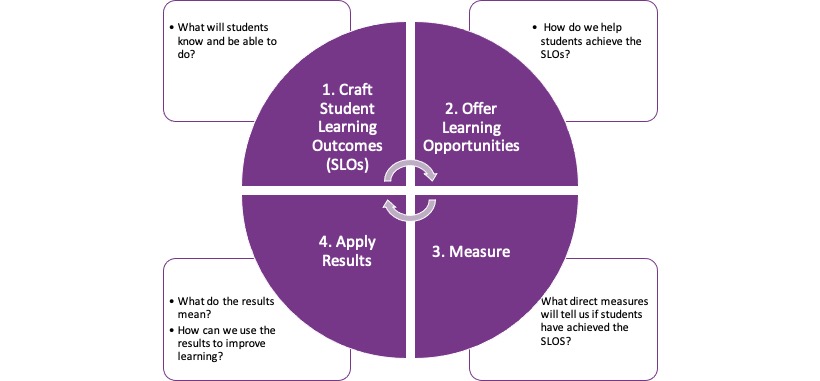
- Continue to build a culture of academic assessment to support our faculty as the primary drivers of continuous improvement in student learning outcomes.
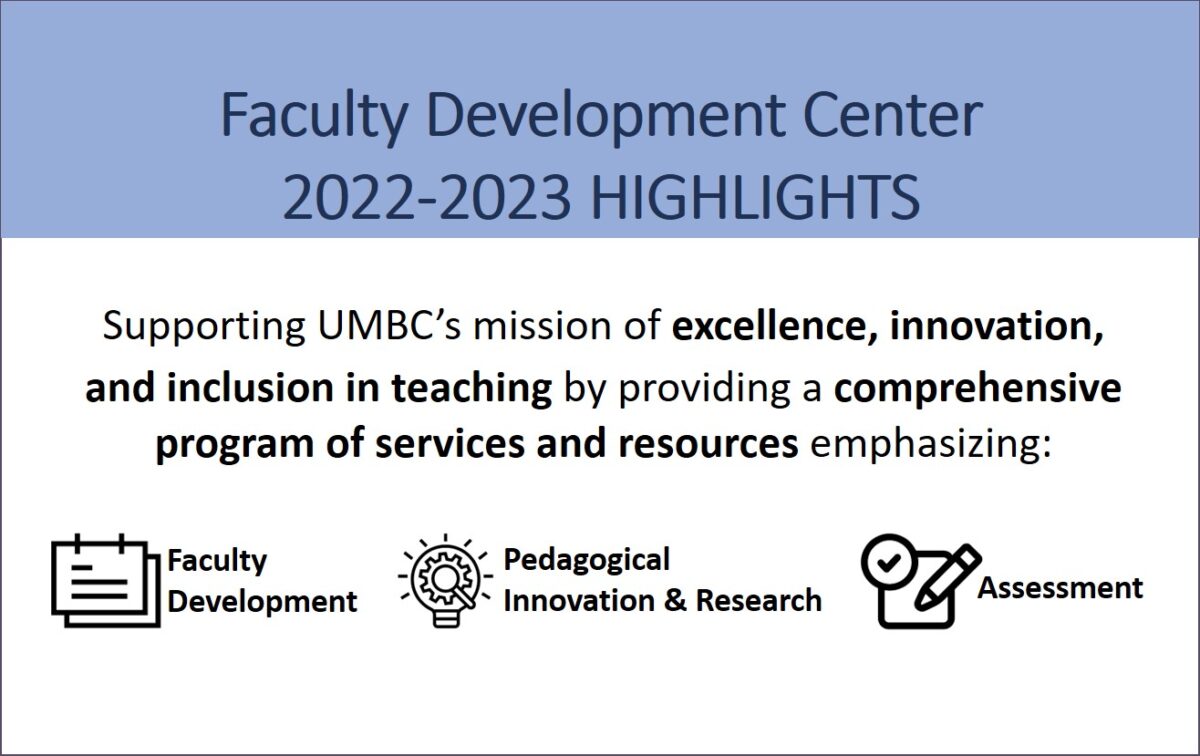
We support faculty and instructors in their teaching role at the University by providing a comprehensive program of services and resources, including:
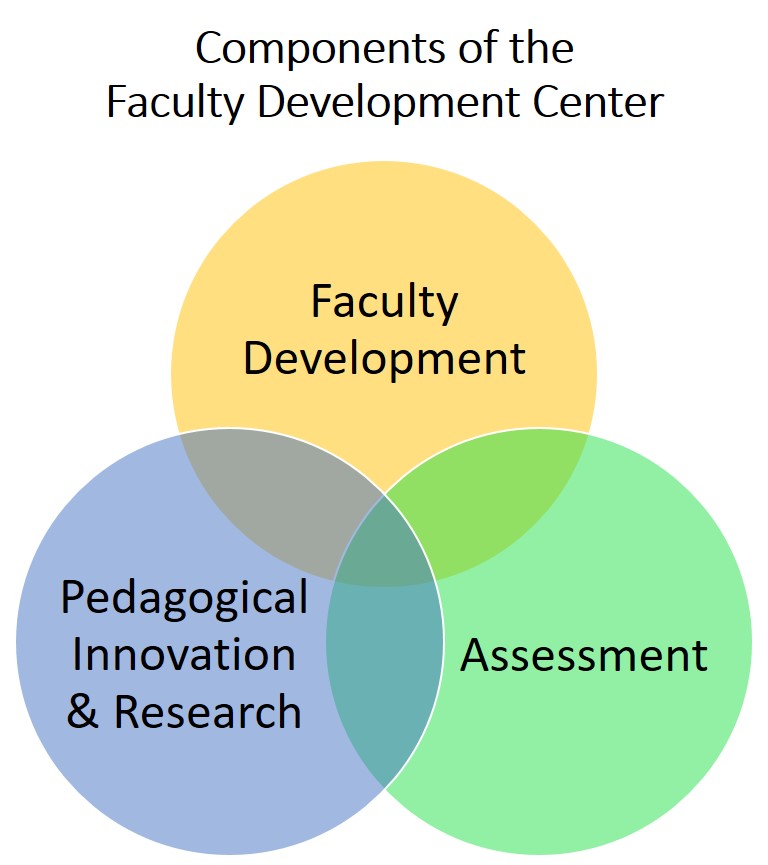
- Individual consultations and classroom observations
- Help in gathering student feedback through the CATALyst process
- Workshops and book discussions on teaching and learning topics
- Support for pedagogical innovation and research
- Learning assessment services
- Consultations in writing and communication in the disciplines
- Management of the Hrabowski Innovation Fund grant program
- Support for faculty learning communities (FLCs)
All consultation services provided to faculty are confidential and are not used by administrators or committees in making personnel decisions. For more information or to schedule an appointment, please contact us.
Get the latest FDC news!
Keep up to date with all FDC happenings and find a community of scholars who care as much about teaching as you do.