Dr. Yonathan Zohar

Chair and Professor
Interim Director, Institute of Marine and Environmental Technology (IMET)
Ph.D., Comparative Endocrinology, University of Pierre & Marie Curie, Paris, 1982

Contact Information:

Columbus Center
(410) 234-8824
zohar@umbc.edu

Research Description

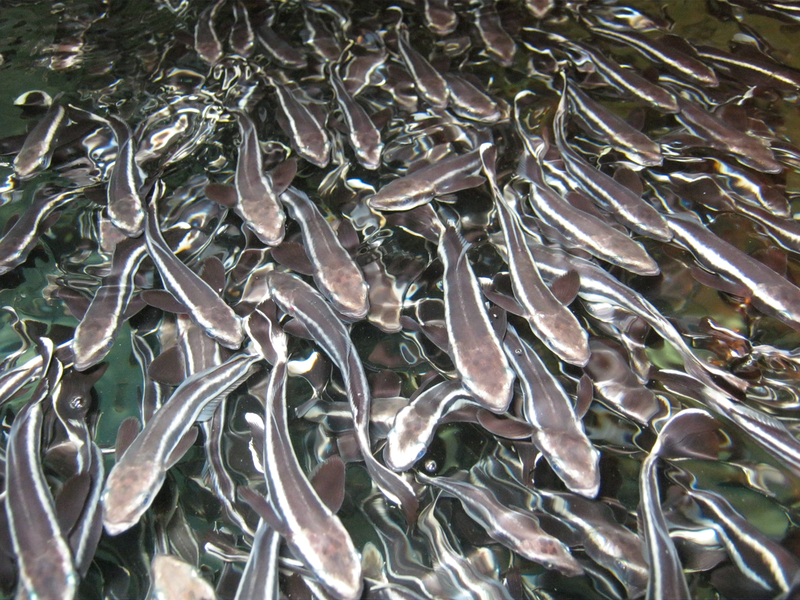
The primary focus of my research program is on basic and applied aspects of fish reproductive physiology and endocrinology. A major obstacle for the development and intensification of the finfish aquaculture industry is the failure of farmed fish to reproduce predictably when raised in captivity. We therefore use endocrine, biochemical and molecular approaches to study interactions along the brain-pituitary-gonadal axis leading to reproductive development, gamete maturation, ovulation and spawning. Our research models include commercially important farmed fish, such as striped bass and seabream, and the zebrafish. From our basic research, we develop technologies for the exogenous manipulation of fish reproduction, to be used in the aquaculture industry. These and other major areas of interest are described below.

Endocrine control of reproduction in the brain-pituitary-gonad axis

In fish, the processes of reproductive maturation, gamete production, ovulation and spawning are controlled by hormonal factors common to all vertebrates. In response to environmental cues, the neuropeptide gonadotropin-releasing hormone (GnRH) is produced in the brain. The major function of GnRH is to regulate the synthesis and release of the gonadotropin hormones (GtHs) from the pituitary, which in turn regulate gonadal development. Work in my laboratory has shown that the failure of farmed fish to reproduce reliably in captivity is caused by a dysfunction in the GnRH system. We have also shown that many fish species produce three distinct forms of GnRH in the brain and other tissues, suggesting multiple functions for this hormone. We therefore place special emphasis on the GnRH-GtH axis in studying the endocrine control of fish reproduction. Some basic questions our research has attempted to address include:

What is the functional significance of GnRH multiplicity in fish?

How does the GnRH-GtH system differ in wild versus captive fish?

How are environmental cues transduced into hormonal changes that control reproduction?

What roles do the GnRHs and GtHs have in regulating puberty, ovulation and spawning?

How do the GnRHs, GtHs, and their receptors function to promote sex reversal?

How does input from the environment and the brain regulate the GnRH-reproductive axis?

How does feedback from the gonads regulate the GnRH-GtH system in the brain and pituitary?

How does local expression of GnRH and GtH in the gonads contribute to gamete development?

The ultimate aim of such studies is to better understand the underlying causes of reproductive dysfunction in farmed fish. From a comparative point of view, our research also seeks to contribute to the understanding of vertebrate reproduction in general.

Wong, T.T and Zohar, Y. (2004). Novel expression of gonadotropin subunit genes in oocytes of the gilthead seabream. Endocrinology 145: 5210-5220.
Alok, D. and Y. Zohar (2005). Genes for fish GnRHs and their receptors: relevance to aquaculture biotechnology. In: "Fish Genetics and Aquatic Biotechnology", 159 pp.
      Science Publishers, Enfield, USA.
Wong, T.T. and Zohar, Y. (2006). Molecular biology of ovarian aromatase in sex reversal: cDNA and 5’-flanking region isolation and differential expression of ovarian aromatase in the gilthead seabream, Sparus aurata. Biol. Reprod. 74: 857-864.
Guzman, J.M., Rubio, M., Ortiz-Delgado, J.B., Klenke, U., Kight, K., Cross, I., Sanchez-Ramos, I., Riaza, A., Rebordinos, L., Sarasquete, C., Zohar, Y. and Mananos, E. (2009). Comparative gene expression of gonadotropins (FSH and LH) and peptide levels of gonadotropin-releasing hormones (GnRHs) in the pituitary of wild and cultured Senegalese sole (Solea senegalensis) broodstocks. Comparative Biochem. Physiol. A Mol Integr Physiol. 153(3): 266-277.
Zohar Y., Muñoz-Cueto J.A., Lareyre, J.J., Elizur A. and Kah O. (2010). Molecular neuroendocrinology of fish reproduction. Gen. Comp. Endocrinol. 16:438-455.

Early development of the GnRH system

Because of the primary importance of GnRH in reproduction, a critical component to establishing proper adult reproductive function comes during early development of an organism, when the architecture of GnRH-expressing neurons is laid out. Using genetic tools with the zebrafish model, we study this process of GnRH neuron development in fish, in terms of the ontogeny of GnRH expression and the factors controlling proper placement of GnRH neurons and their axonal connections. In addition, recent evidence from our lab and others has shown that GnRH expression occurs very early during development, during organogenesis, suggesting as yet undiscovered roles for this hormone. We are currently investigating the possible roles of the GnRHs during embryogenesis and later in development, when they might be involved in laying down the basic components of the reproductive axis.

T. T. Wong, Y. Gothilf, N. Zmora, K.E. Kight, I. Meiri, A. Elizur and Y. Zohar. (2004). Developmental expression of three forms of GnRH and ontogeny of the hypothalamus-pituitary-gonadal axis in gilthead seabream (Sparus aurata). Biology of Reproduction 71: 1026-1035. [Abstract]
Palevitch, O., Kight, K., Abraham, E., Wray, S., Zohar, Y., Gothilf, Y. (2007). Ontogeny of the GnRH systems in zebrafish brain: in situ hybridization and promoter-reporter expression analyses in intact animals. Cell. Tissue Res. 327: 313-322.
Abraham, E., Palevitch, O., Ijiri, S., Gothilf, Y., and Zohar, Y. (2008). Early development of GnRH-I neurons and the role of GnRH-I as an autocrine migration factor.  J. Neuroendocrinology 20: 394-405.
Guzmán J.M., Bayarri M.J., Ramos J., Zohar, Y., Sarasquete C., Mañanós E.L. (2009). Follicle stimulating hormone (FSH) and luteinizing hormone (LH) gene expression during larval development in Senegalese sole (Solea senegalensis). Comp Biochem Physiol A Mol Integr Physiol. 154(1): 37-43.
Palevitch, O., Abraham, E., Borodovsky, N., Levkowitz, G., Zohar, Y., and Gothilf, Y. (2009). Nasal embryonic LHRH factor plays a role in the developmental migration and projection of gonadotropin-releasing hormone 3 neurons in zebrafish. Dev Dynamics 238(1): 66-75, 2009.
Abraham, E. Palevitch, O., Gothilf Y., and Zohar, Y. (2009). The zebrafish as a model system for forebrain GnRH neuronal development. Gen. Comp. Endocrinol. 164: 151-160.
Palevitch, O., Abraham, E., Borodovsky, N., Levkowitz, G., Zohar, Y., and Gothilf, Y. (2010). Cxcl12a-Cxcr4b signaling is important for proper development of forebrain GnRH system in zebrafish. Gen. Comp. Endocrinol. 165 (2): 262-268
Abraham, E., Palevitch O., Gothilf, Y. and Zohar, Y. (2010). Targeted GnRH3 neuron ablation in zebrafish: effect on neurogenesis, neuronal migration and reproduction. Endocrinology, 151 (1): 332-340.

Applied technologies for aquaculture and fisheries

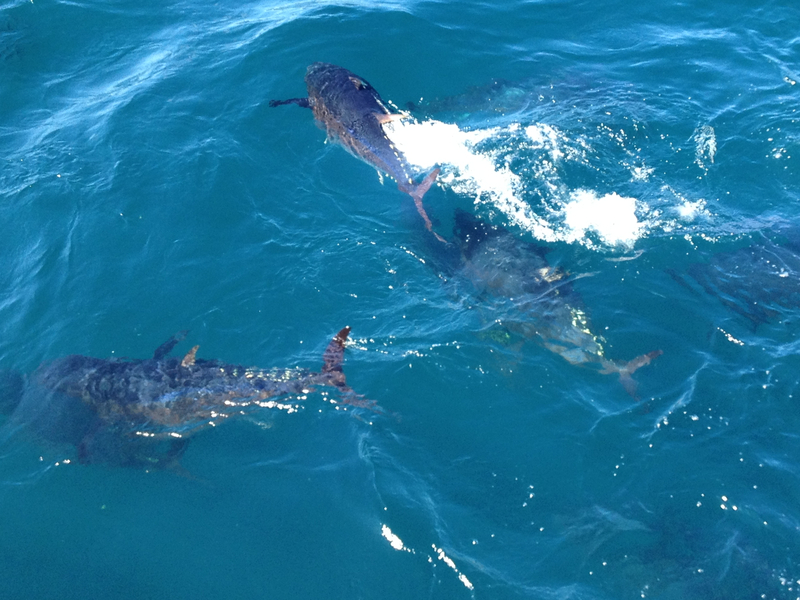
A major focus of the work in my laboratory is the application of knowledge gained from our basic studies to the improvement of the aquaculture industry. An early success in this area has been the development of controlled-release, polymeric delivery systems for the administration of GnRHs and GnRH analogs to fish. Use of these delivery systems to manipulate GnRH levels in the blood is able to overcome the hormonal imbalance responsible for the lack of spontaneous ovulation and spawning common in many cultured species. This technology is also used to advance or synchronize natural spawning in order to increase seed production, induce spawning out of season, generate hybrid offspring, or enhance restocking programs, and has been applied in a wide variety of species. Another practical application of manipulating the reproductive axis is the generation of sterile fish. Generation of sterile populations is an important goal in aquaculture for many reasons- sterile fish grow faster, selectively bred or otherwise proprietary broodstock can be more easily protected, and the environmental impact of 'escapees' in cage-culture settings is greatly reduced using sterile fish. Manipulation of the GnRH system offers promise as an efficient means of inducing sterility in fish, and this is a recent line of investigation in my laboratory. Another area of interest is the development of methods to non-invasively administer compounds to fish on a large-scale basis. Injection of vaccines, hormones, antibiotics or marking compounds in an aquaculture setting is labor-intensive, time-consuming, and therefore costly. We have shown that such compounds can be more efficiently administered by combining ultrasound with immersion, greatly reducing the labor involved. These and other practical applications that result from the research in my laboratory are aimed at improving the aquaculture and fisheries industries in order to more efficiently and sustainably provide food fish for the world's growing population.

Y. Zohar and C. C. Mylonas. (2001). Endocrine manipulations of spawning in farmed fish: from hormones to genes. Aquaculture 197: 99-136. [Abstract]
C. C. Mylonas and Y. Zohar. (2001). Endocrine regulation and artificial induction of oocyte maturation and spermiation in basses of the genus Morone. Aquaculture 202: 205-220. [Abstract]
V. Frenkel, G. Kindschi and Y. Zohar. (2002). Non-invasive, massive marking of fish by immersion in calcein: evaluation of fish size and ultrasound exposure on mark endurance. Aquaculture 214: 169-183.
Mylonas, C.C. and Zohar, Y. (2007). Promoting oocyte maturation, ovulation and spawning in farmed fish. In: “The Fish Oocyte: From Basic Studies to Biotechnological Applications”. (P.J. Babin and E. Lubzens, eds), pp. 437-474. Springer Press.
Pomponi, S. A., Baden, D. and Zohar, Y. (2007). Marine biotechnology: realizing the potential. Marine Technology Society Journal 41(3): 24-31.
Mylonas, C.C., Bridges, C.R., Gordin, H., Belmonte Ríos, A., García, A., De la Gándara, F., Fauvel, C., Suquet, M., Medina, A., Papadaki, M., Heinisch, G., De Metrio, G., Corriero, A., Vassallo-Agius, R., Guzmán, J.M., Mañanos, E., and Zohar, Y. (2007). Preparation and administration of gonadotropin-releasing hormone agonist (GnRHa) implants for the artificial control of reproductive maturation in captive-reared Atlantic bluefin tuna (Thunnus thynnus). Reviews in Fisheries Science 15(3):183-210.
Mylonas, C.C. and Zohar, Y. (2008). Controlling reproduction in aquaculture. In: “New technologies in aquaculture: improving production efficiency, quality and environmental management.” (Gavin Burnel and Geoff Allen, Eds.). Woodhead Publishing Ltd, Cambridge, UK.
Mylonas, C.C., Zohar, Y., Pankhurst, N., Kagawa, H. and Chang, C.F. (in press). Reproduction and broodstock management in Sparidae. In: Sparidea: Biology and Aquaculture (M. Pavlidis and C.C. Mylonas, eds).


Recirculating marine aquaculture

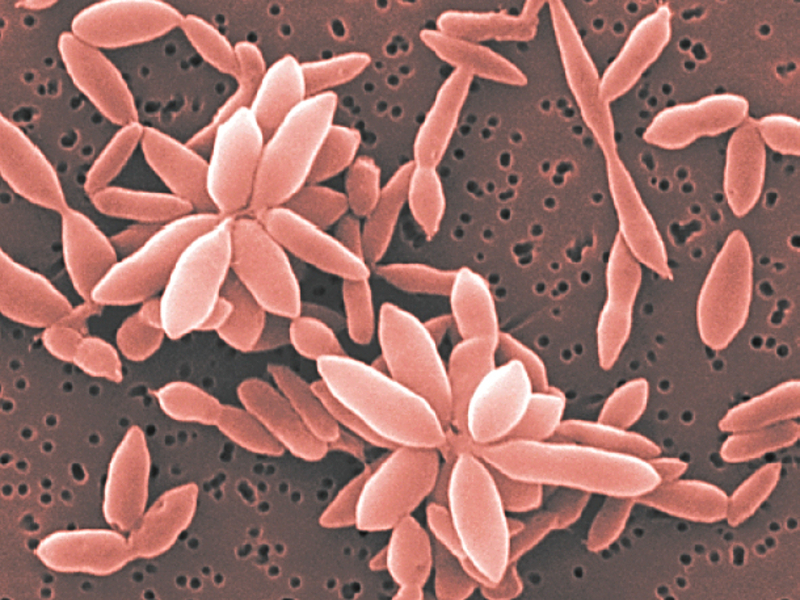
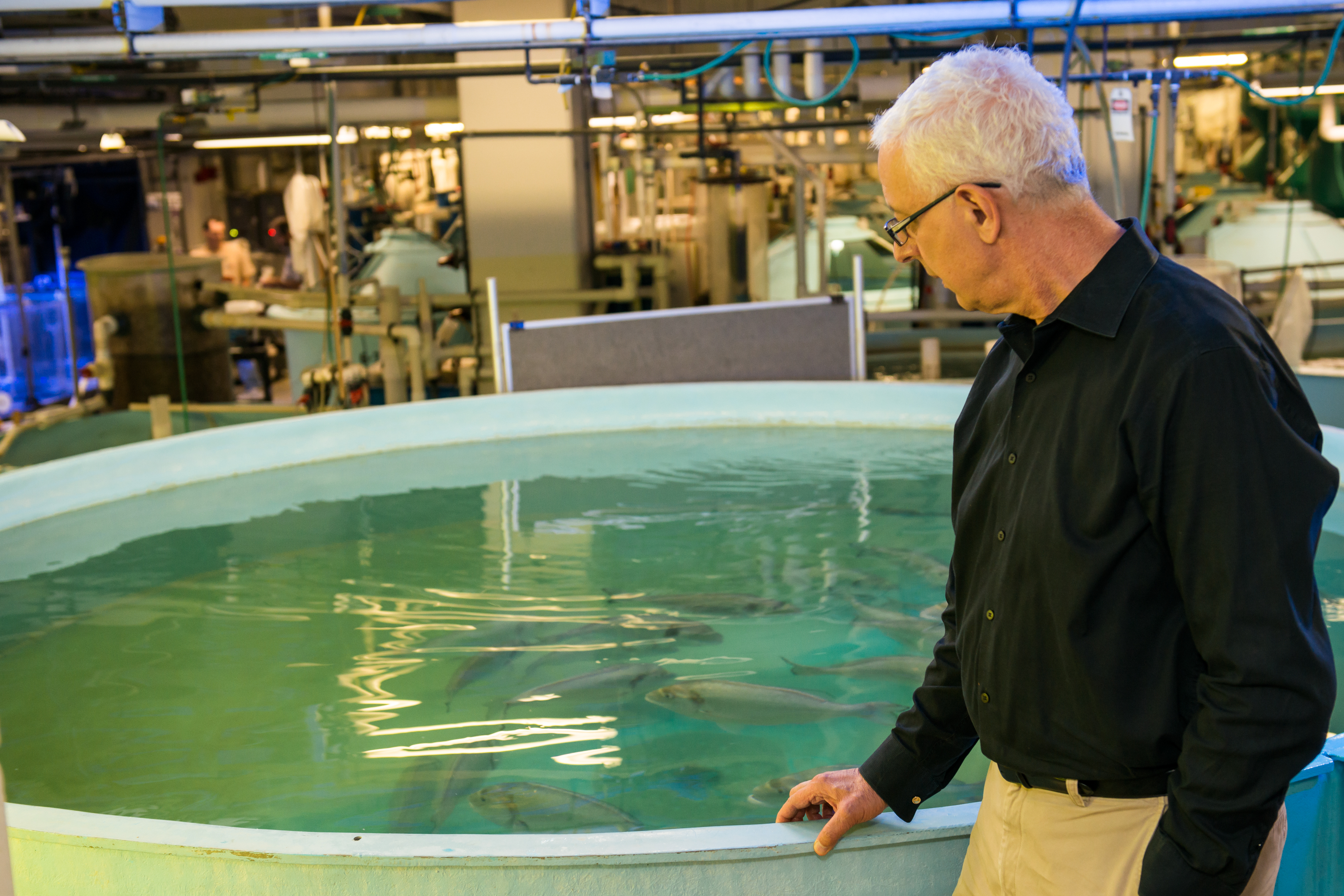
The continuous decline of the world's commercially fished species in recent decades has led scientists to conclude that the oceans have attained their maximum sustainable yield, and that global marine fisheries are in danger of collapse. The necessity to farm rather than harvest food fish has become increasingly clear, yet in spite of the significant growth of the aquaculture industry, marine species only account for about one third of total aquaculture production. A major obstacle to the growth of marine aquaculture has been the interaction between current production practices, mainly floating net pens, and the marine and coastal environments. While coastal cages may generate adverse chemical and biological effects on the environment, in many cases the environment in not conducive for optimal growth and health of the species of interest. In response to this situation, researchers at what is now IMET have developed a fully contained, recirculating marine aquaculture system that is able to grow high densities of commercially-important fish using artificial seawater. Most importantly, the unique microbial bio-filtration of this system is able to support high-density, "bio-secure" aquaculture with virtually no water exchange, thus eliminating effluents or escapees and ensuring no interaction with the environment. An additional advantage of this system is the ability to locate marine aquaculture operations in non-traditional settings, such as urban or rural inland environments. This system offers a new generation of aquaculture technology that can be used to economically produce a wide range of marine food fish that are free of environmental contaminants, in a way that is environmentally sustainable.

Y. Zohar, Y. Tal, H. J. Schreier, C. Steven, J. Stubblefield and A. Place. (2005) Commercially feasible urban recirculated aquaculture: addressing the marine sector. In Urban Aquaculture, B. Costa-Pierce, ed. CABI Publishing, Cambridge, MA, pp. 159-171. [Download PDF]
Tal, Y., Schreier, H.J., Sowers, K.R., Stubblefield, J.D., Place, A.R. and Zohar, Y. (2009). Environmentally sustainable, fully contained marine aquaculture. Aquaculture 286: 28–35.

To learn more visit the Recirculating Aquaculture Technology page.

Blue crab aquaculture, biology and stock restoration

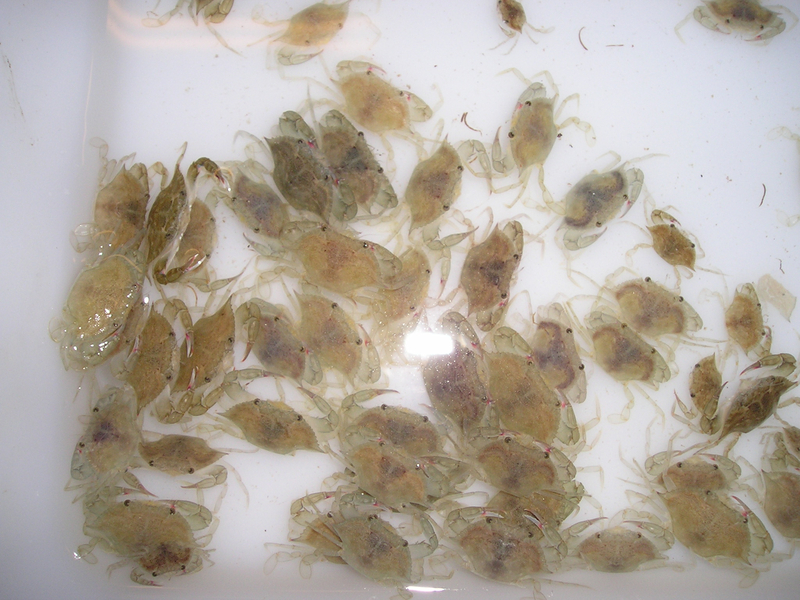
The blue crab is one of the most economically important fisheries species in the Chesapeake Bay region, and a traditional symbol of Maryland. Driven by the recent decline of this species, scientists at what is now IMET initiated an intensive aquaculture program that, for the first time, has closed the lifecycle of this species in captivity. By manipulating the environmental parameters in our aquaculture setting and using intensive larviculture technologies, we are able to mass produce blue crab juveniles year-round for use in basic research in the laboratory and in the field through releases into the Chesapeake Bay ecosystems. This aquaculture program is an important component of a comprehensive and multidiciplinary research program, the Blue Crab Advanced Research Consortium, involving researchers in the University System of Maryland and other universities and institutes nationwide. Ultimately, the goal of these efforts is to facilitate the study of blue crab basic biology and ecology, field experiments, and programs that contribute to the sustainability of this important local species.

Davis, J.L.D., Eckert-Mills, M.G., Young-Williams, A.C., Hines, A.H., and Zohar, Y. (2005). Morphological conditioning of a hatchery-raised invertebrate, Callinectes sapidus, to improve field survivorship after release. Aquaculture 243: 147-158.
Zmora, O., Findiesen, A., Stubblefield, J., Frenkel, V., and Zohar, Y. (2005) First hatchery mass production of blue crab (Callinectes sapidus) juveniles. Aquaculture 244: 129-139.
Davis, J.L.D, Young-Williams, A., Hines, A.H. and Zohar, Y. (2005).  Assessing the potential for stock enhancement in the case of the Chesapeake Bay blue crab, Callinectes sapidus. Canadian J. of Fisheries and Aquatic Sciences 62(1): 109-122.
Hines, A.H., Johnson, E.G., Young, A.C., Aguilar, R., Kramer, M.A., Goodison, M., Zmora, O. and Zohar, Y.  (2008). Release strategies for estuarine species with complex migratory life cycles: Stock enhancement of Chesapeake blue crabs, C. sapidus. Rev. Fish. Sci. 16(1): 175-185.
Young, A., Johnson, E.G., Hines, A.H., Davis, J., Zmora, O. and Zohar, Y. (2008). Do hatchery reared blue crabs differ from wild crabs, and does it matter? Rev. Fish. Sci. 16(1): 254-261.
Zohar, Y., Hines, A.H., Zmora, O., Johnson, E.G., Lipcius, R.N., Seitz, R.D., Eggleston, D.B., Place, A.R., Schott, E.J., Stubblefield, J.D., and Chung, J.S. (2008). The Chesapeake Bay blue crab (Callinectes sapidus): A multidisciplinary approach to responsible stock replenishment. Reviews in Fisheries Science 16(1): 24-34.
Zmora, N., Trant, J., Zohar, Y., and Chung J.S. (2009).  Molt-inhibiting hormone regulates vitellogenesis in blue crab, Callinectes sapidus 1: an ovarian stage dependent involvement. Saline Systems 2009 5:7.  
Zmora, Y., Sagi, A., Zohar, Y., and Chung J.S. (2009). Molt-inhibiting hormone regulates vitellogenesis in the blue crab, Callinectes sapidus 2: Sex and vitellogenic stage specific hepatopancreatic binding sites. Saline Systems 2009 5:6.