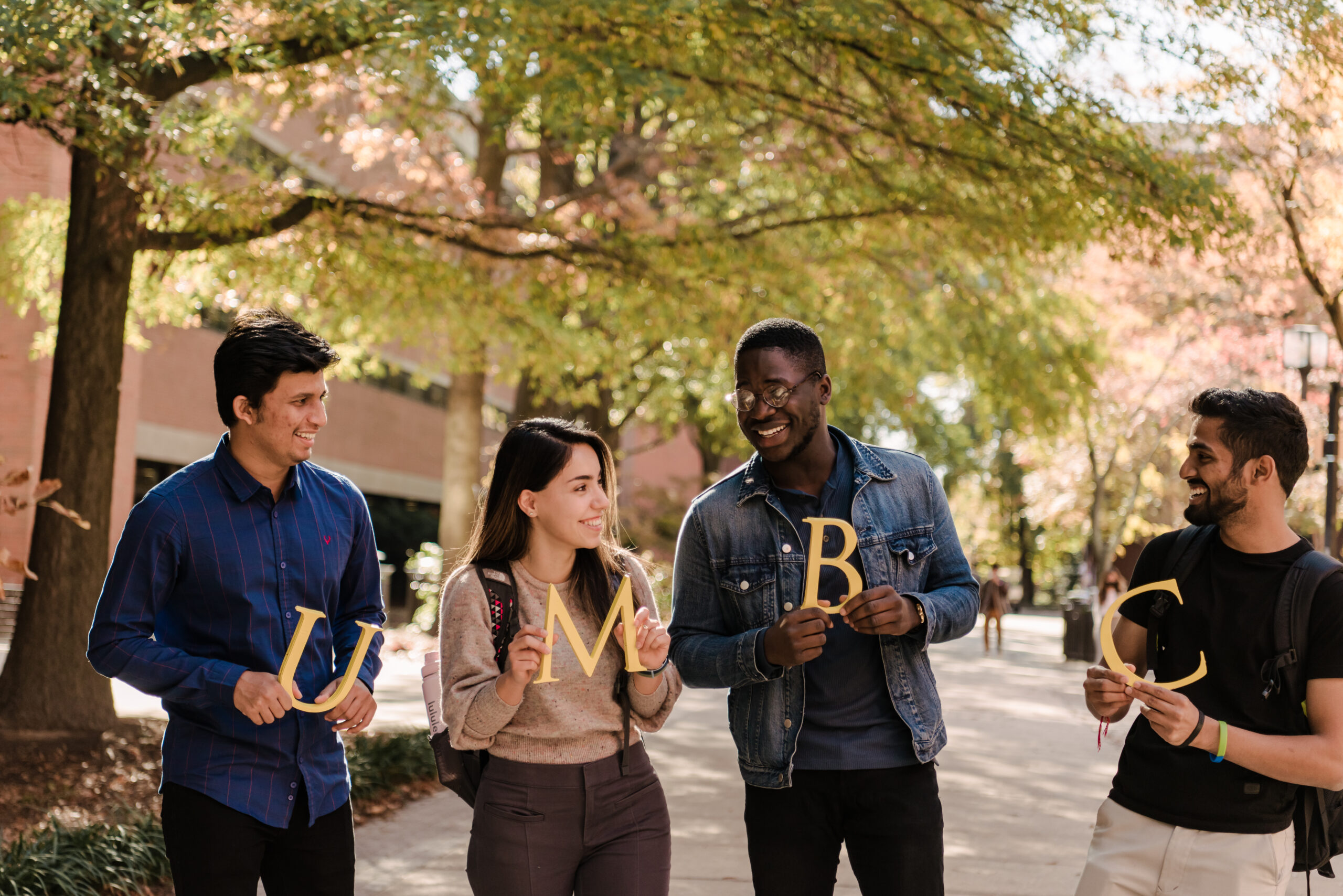
 Consistent with the University’s mission and working collaboratively with the deans and vice presidents, the Office of the Provost advances the intellectual life of our scholarly community through the support and advancement of our academic programs and the scholarship of our faculty and students.
About UMBC
UMBC is known for innovative teaching, relevant research across disciplines, and a supportive community that empowers and inspires inquisitive minds. UMBC serves 14,000 undergraduate and graduate students and combines the learning opportunities of a liberal arts college with the creative intensity of a leading research university. At the same time, UMBC is one of the country’s most inclusive education communities. U.S. News & World Report has named UMBC a national leader in innovation and undergraduate teaching and has recognized UMBC’s graduate programs as among the nation’s best. NSF recognizes UMBC as a national leader in research funding and impact, and the Carnegie Classification of Institutions of Higher Education has named UMBC a Research 1 (or R1) university, indicating the highest level of research performance.
Meet the Provost Join Our Faculty Meet Our Team
UMBC is committed to creating an accessible and inclusive environment for all students, staff, and visitors. If you have difficulties accessing any of the materials on our site, please contact us so that we can provide an alternative format and remedy any accessibility challenges.
07/30/23