




DIFFERENT
MAKES A DIFFERENCE
Experience UMBC this Fall
Attend an upcoming event and see all that UMBC has to offer first-year and transfer students.
Register for an Event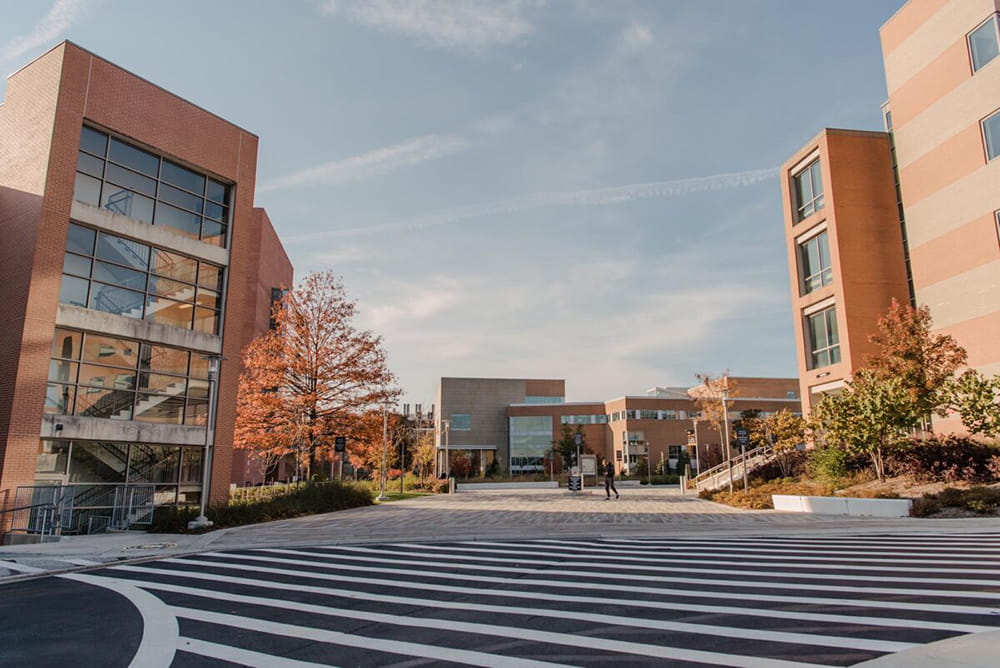
U.S. News highlights UMBC’s national leadership in teaching, innovation, and diversity.



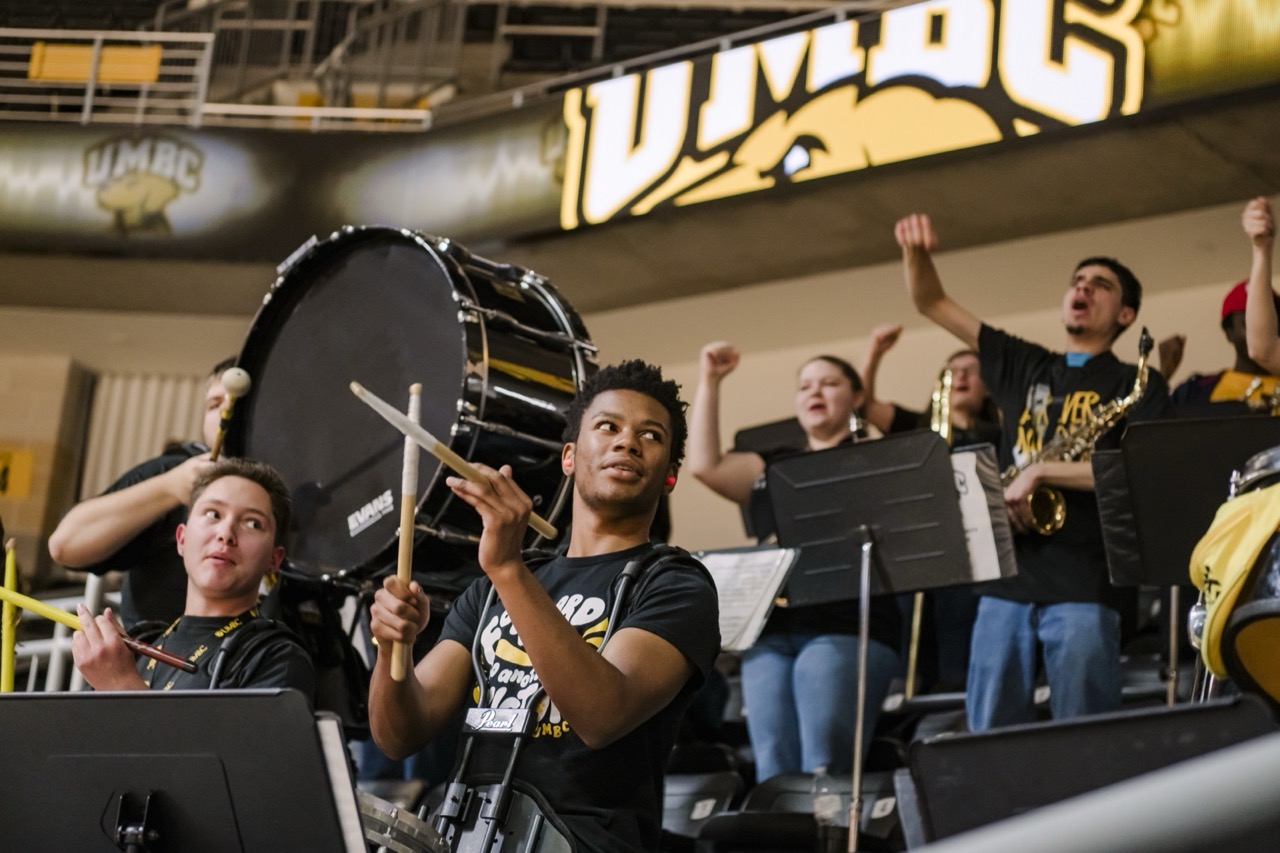


UMBC is a R1 research university recognized for innovation, undergraduate teaching, and student success.
From hands-on research and faculty mentorship to campus traditions, leadership opportunities, and strong career outcomes, UMBC helps students discover their potential and prepare for what’s next.
Here, different makes a difference.

UMBC research team discovers promising molecular target for ovarian cancer treatment
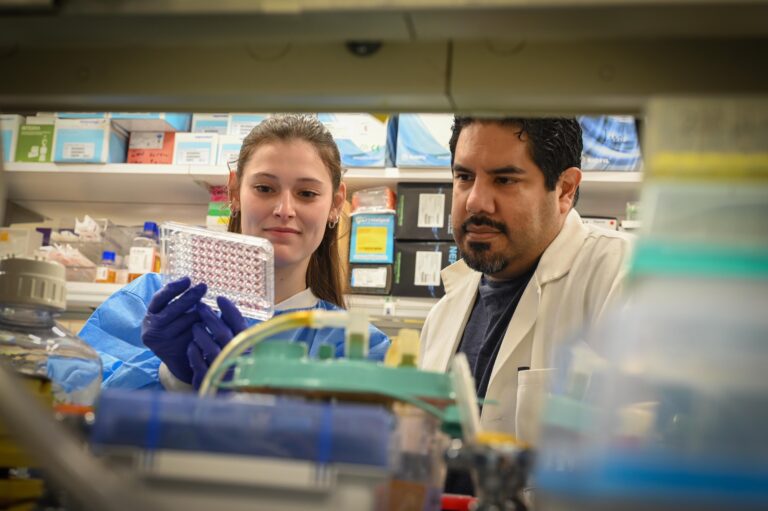
Ovarian cancer is often diagnosed after it has already spread to other parts of the body, at which point the five-year survival rate is under 30 percent. Further complicating treatment, standard therapies cause substantial harm to healthy cells alongside cancerous ones. But what if ovarian cancer treatment could more specifically target cancerous cells, causing less harm to the rest of the body? New research from Achuth Padmanabhan’s lab offers hope in the form of a potential molecular target for new cancer drugs: an enzyme called USP15, which ovarian cancer cells appear to rely on more heavily than normal cells. Biological sciences Ph.D. student Ayokunnumi “Ayo” Ogunsanya led the work, which showed that lowering USP15 levels causes a constellation of effects that make it a prime target for new treatments.
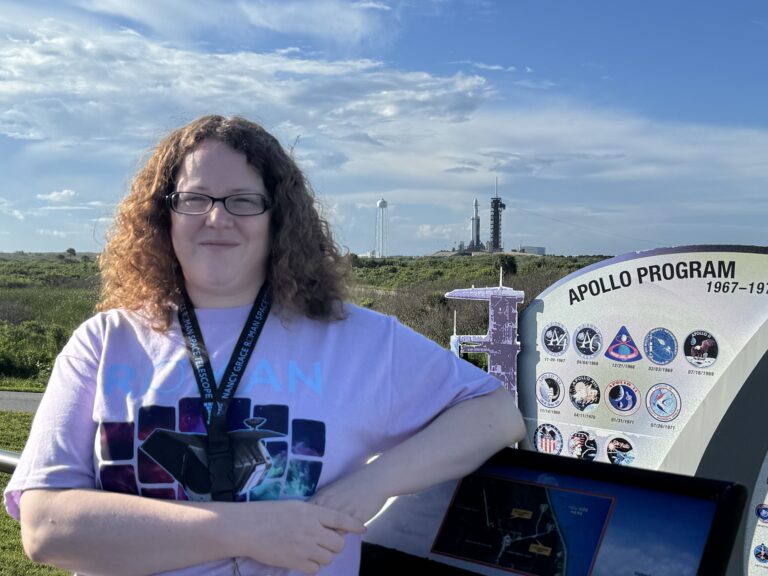
UMBC researcher is helping unlock the mystery of dark energy with NASA’s Roman Telescope

Long-term oyster reef restoration shows clear success in murky waters
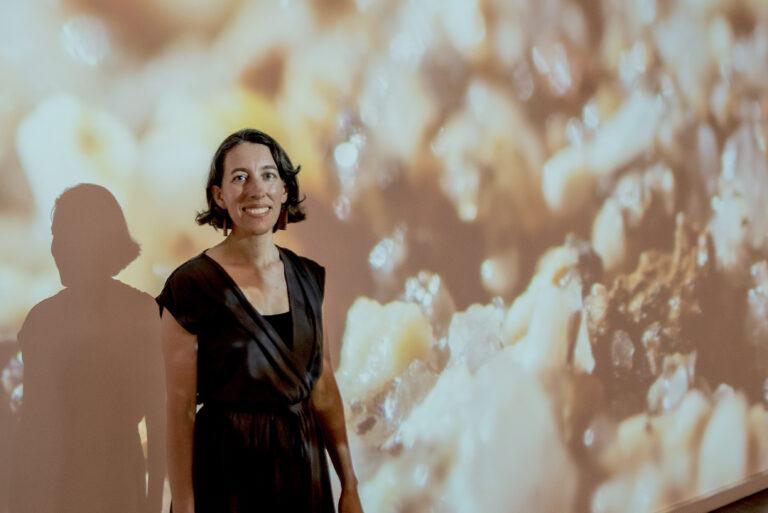
Extraordinary Animations: Corrie Francis Parks joins the Academy of Motion Picture Arts and Sciences

“You belong here”—New and returning Retrievers are welcomed to campus for fall 2026

Record-setting group of UMBC students explores global careers through Albrecht Fellowship

With great scientific powers comes great responsibility: Mercedes Burns, arachnid researcher, reviews “Spider-Man: Brand New Day”
More than skills: Four CNMS interns on mentorship, belonging, and the gift of opportunity

From bagging sugar to modeling floods, Retriever interns deploy their technical chops to make modern life smoother in Maryland and beyond