




Honoring the Potential
UMBC’s Vision for Generational Opportunity
What if a public research university made a long-term commitment to helping children and families in surrounding communities thrive from early childhood through adulthood?
Honoring the Potential (HTP) is an emerging shared vision at the University of Maryland, Baltimore County (UMBC), inspired by President Valerie Sheares Ashby’s challenge to identify “where is the potential we haven’t honored yet?” Building on decades of community engagement through UMBC’s Sherman Center and other campus resources, the university is exploring what it would mean to organize its people, knowledge, partnerships, and resources around a place-based, cradle-through-career commitment to generational opportunity. This vision is a key initiative in UMBC’s Strategic Plan.
Where is the potential we haven’t honored yet?
UMBC: A responsive community partner
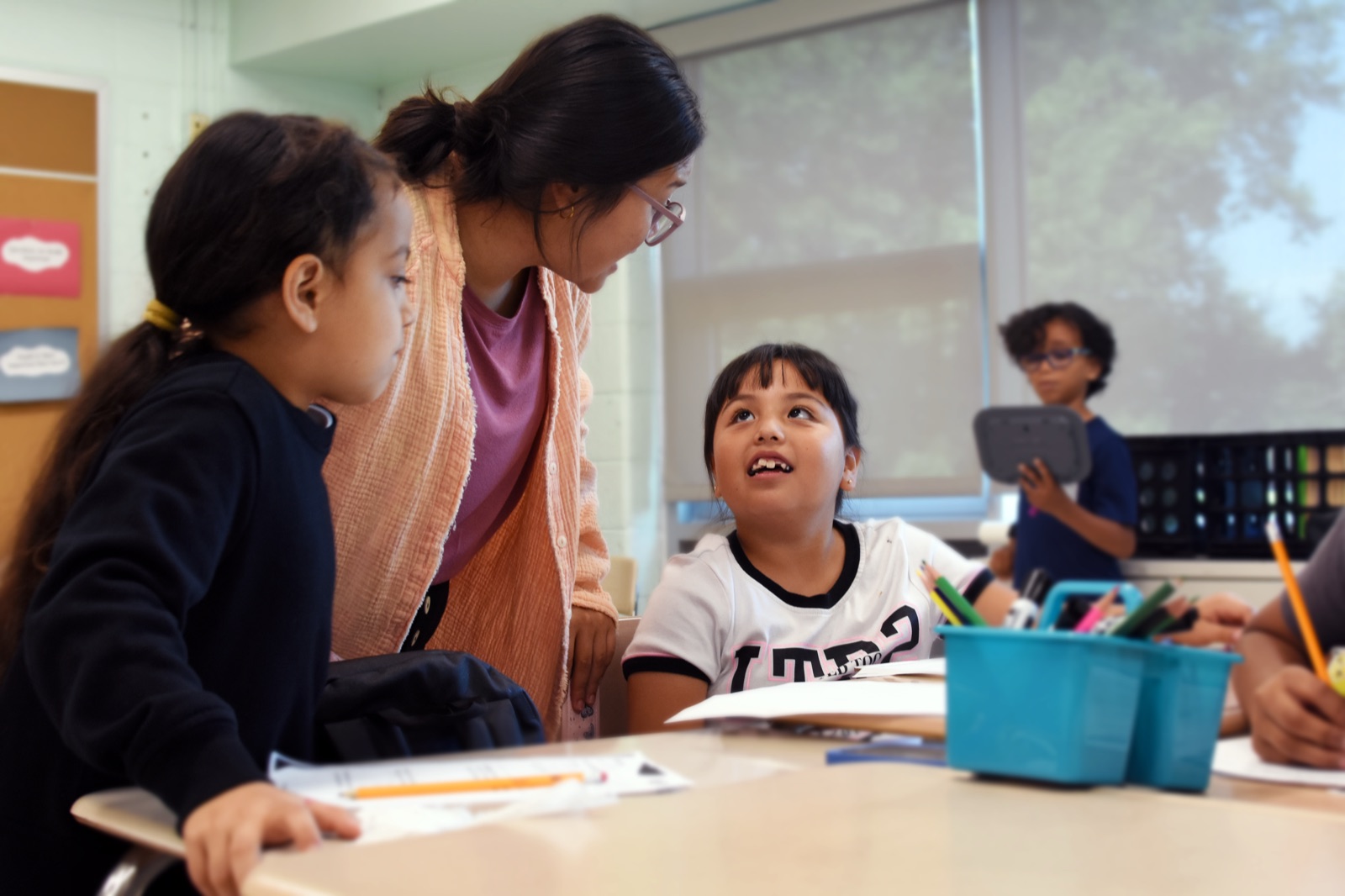
UMBC sits amid a diverse group of communities spanning portions of Baltimore City and Baltimore County and extending into neighboring jurisdictions. Within roughly 15 minutes of campus are approximately 23 elementary schools and communities with very different strengths, needs, histories, and existing infrastructure.
Honoring the Potential does not assume that UMBC should play the same role everywhere. The university seeks to respond to the unique assets, aspirations, and priorities of each community. Depending on what communities identify as most valuable, UMBC’s role might include:
- Delivering programs
- Convening and coordinating partners
- Connecting people to opportunities, resources, and pathways
- Contributing research, data, and evaluation
- Leveraging existing university assets—including faculty, students, alumni, and institutional relationships


The underlying proposition is that UMBC can act as a durable and flexible partner in particular communities, shaping the form of that partnership based on guidance from those communities. UMBC plans to begin with a subset of communities that represent different contexts and offer lessons that can inform how we support other communities in the larger geographic focus area.
The objective is to learn how a public university can understand the existing ecosystem in each place, earn community trust and authorization, clarify what value it can provide, and contribute in ways that strengthen community leadership and existing systems that support children and families.

Mobilizing the university
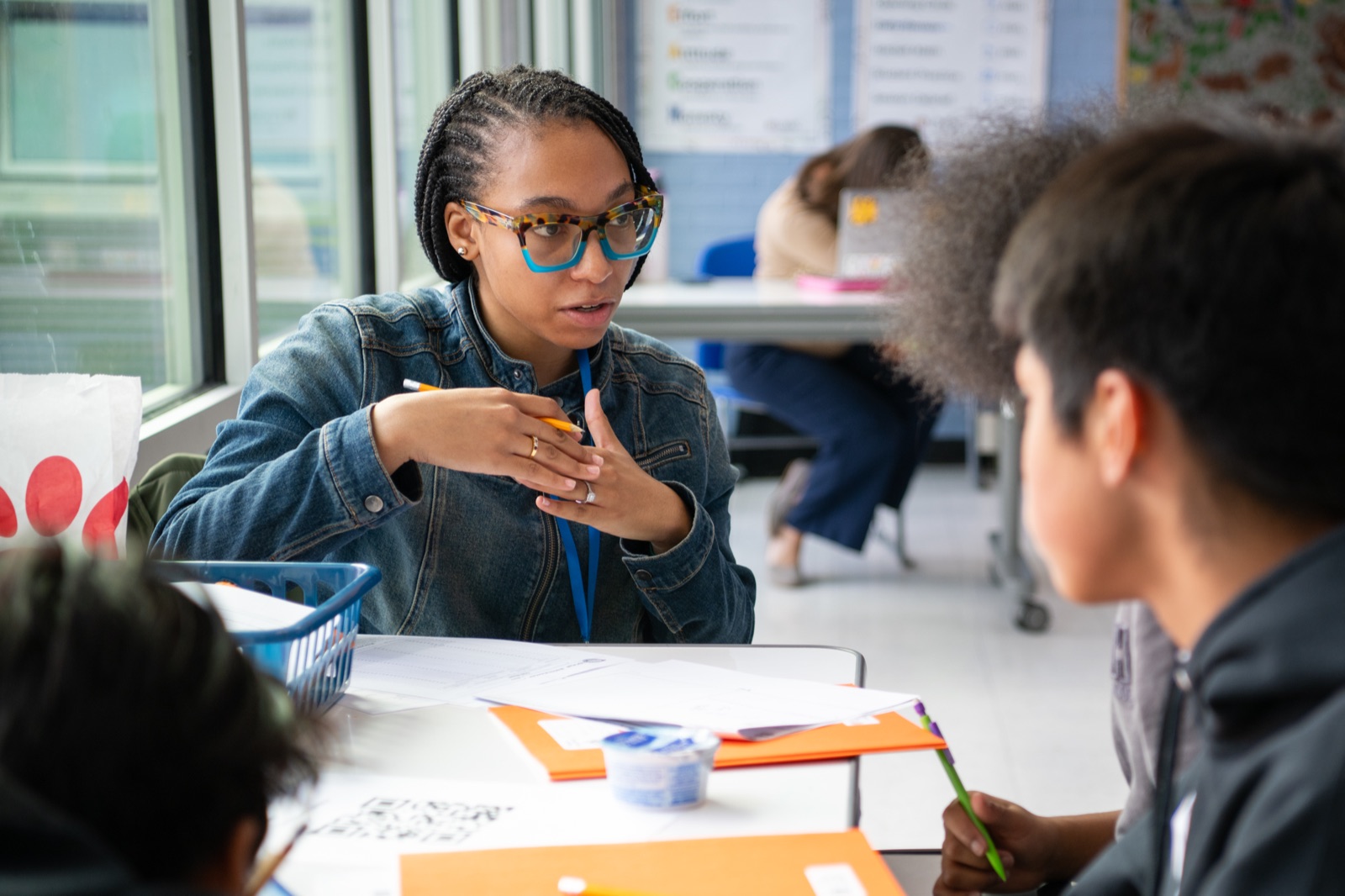
At the same time, UMBC is beginning an internal process of mobilization and alignment. Cross-disciplinary campus workgroups are bringing together faculty, researchers, community-engaged campus leaders, admissions and student affairs professionals, career and workforce experts, alumni, and others to identify the assets UMBC can bring to this work and how they might work together in new ways in response to community-defined priorities.
The community and university processes are intended to work together: as communities identify aspirations and priorities, UMBC will discern ways to respond that span traditional institutional boundaries. That could ultimately encompass supports and opportunities from early childhood through K–12 education, into postsecondary education, and extending to lifelong career supports in an economy being reshaped by technology and AI.
From cradle through career
By uniting families, schools, and community partners in a cradle-to-career network, the Sherman Center creates self-reinforcing systems of support that shape children’s trajectories and lift up entire communities.
- Pregnancy and early childhoodPrenatal and perinatal
- Early childhoodAges 0–2
- Early childhoodAges 2–4
- Elementary schoolKindergarten–5th gradeAges 4–11
- Middle school6th–8th gradeAges 11–14
- High school9th–12th gradeAges 14–18
- PostsecondaryAges 18+
- Lifelong learningWorkforce developmentCommunity engagement
The next phase: Community authorization and co-design
The 2026–27 academic year is fundamentally a year of community authorization, co-design, and institutional learning.
In early 2027, UMBC plans to bring together community and campus leaders, national and regional practitioners, government, philanthropy, researchers, and other partners to help launch the next phase of this work. This initial convening will focus on designing a process by which the university can understand how it can support community-driven strategies and priorities, and organize itself to support those priorities.

Key questions
Among the questions UMBC hopes this process will help answer are:
- What roles can a public research university uniquely play within a cradle-through-career ecosystem, how should those roles vary by community, and how must the university organize itself internally to deliver on them?
- How should community leadership, university capacity, government systems, schools, philanthropy, and existing community organizations fit together?
- What coordination, data, communication, and learning infrastructure will make the work durable?
- What near-term indicators can tell us whether we are building the conditions for long-term improvements in the lives and economic mobility of children and their families? How do we measure those long-term improvements?

The role of the public university
Honoring the Potential focuses on communities surrounding UMBC, but it also creates an opportunity to explore a larger question: What does it look like for a public research university to become a durable cradle-through-career partner in nearby communities? UMBC does not assume it has the answers. We want to learn from communities and from decades of place-based work across the country, including the successes and cautionary lessons of other higher education institutions.
Over time, the lessons from Honoring the Potential could contribute to a broader field of practice around how public universities use their enduring presence, research capacity, talent, convening power, and public mission to expand generational opportunity and strengthen the communities around them.
Stay connected with Honoring the Potential
Honoring the Potential is UMBC’s emerging place-based commitment to work alongside communities surrounding the university to expand opportunities for children and families—from cradle through career.
Please share your information below if you would like to receive updates, participate in future conversations or events, or explore ways to contribute as the vision develops.