We use cookies for analytics and, unless you opt out, advertising.
You can opt out of advertising at any time.UMBC uses essential cookies to run this site. With your permission we would also use analytics cookies (to understand how the site is used) and advertising cookies (to measure and target our ads on other platforms). Nothing else loads unless you accept. You can change your choice any time from Cookie Settings in the footer.Privacy Policy
EssentialRequired for the site to work (login, security, your cookie choice). Always on.
A multidisciplinary team of UMBC researchers was recently awarded $3.8 million from the Defense Advanced Research Projects Agency (DARPA) to develop new computational methods for assessing the feasibility of scientific claims. The project is motivated by the speed and volume of new developments in science and the need for tools to help evaluate the soundness of new claims.
“Some scientific claims are peer reviewed by independent experts, but others, such as from company press releases, or papers posted to pre-prints sites, are not,” says Frank Ferraro, an associate professor of computer science and lead researcher on the award. And even when science is peer-reviewed, there can still be errors, Ferraro notes. For example, recent research highlighting the danger of flame retardant chemicals leaching from black plastic into food was widely reported on, before it was discovered that an error in the paper led to a significant overstating of the exposure risk.
An AI science assistant
The idea of an AI assistant specifically designed to tackle complex research questions has been catching on recently. OpenAI, the creators of ChatGPT, recently debuted their “DeepResearch” tool, which the company says can use reasoning to synthesize large amounts of online information and complete multi-step research tasks.
Ferraro says the tool he and his colleagues hope to develop should stand-out from other approaches by employing a strongly iterative process, necessary to really take apart and analyze claims. The tool will break down a scientific claim into constituent sub-claims, and apply a wide range of evidence and reasoning approaches to assess the feasibility of each one.
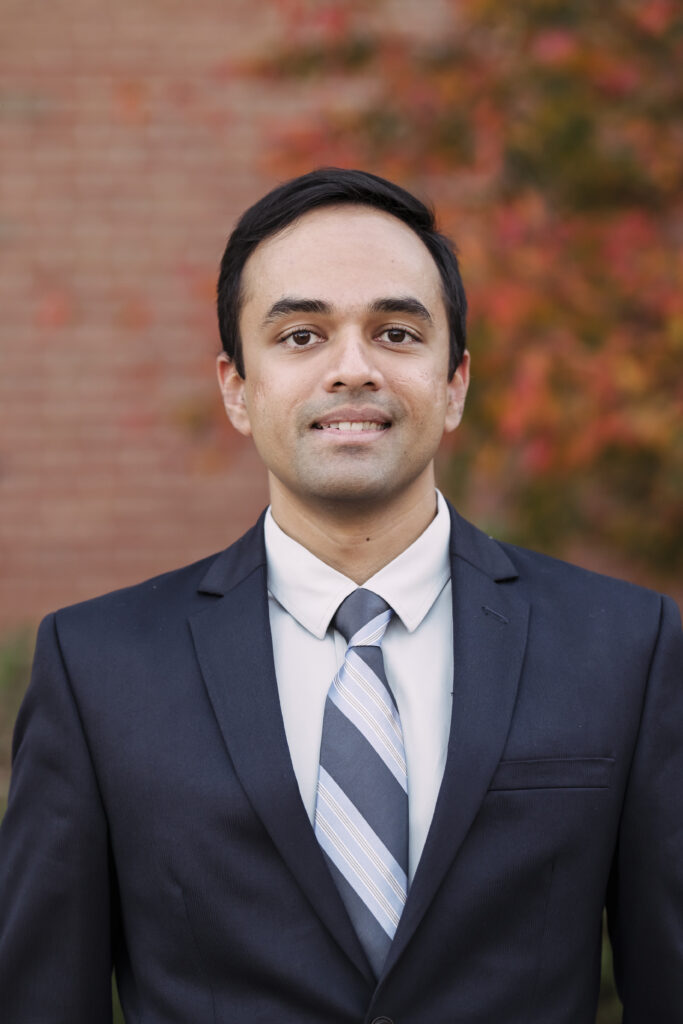
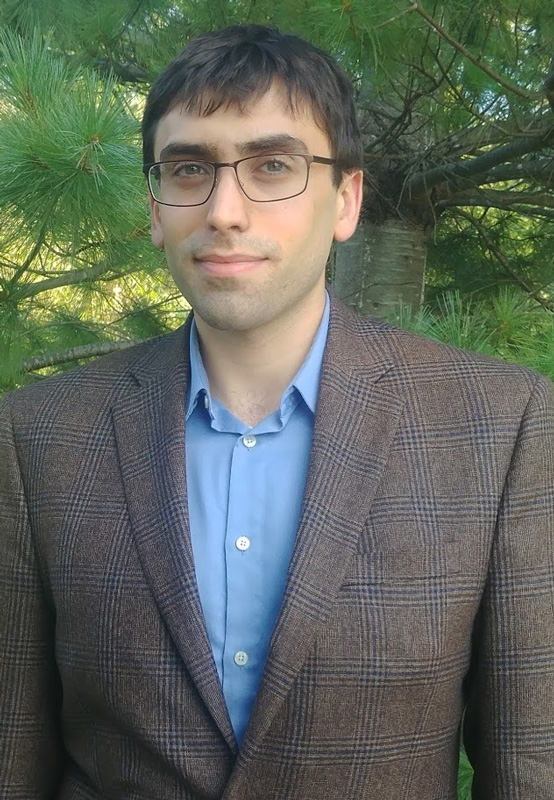
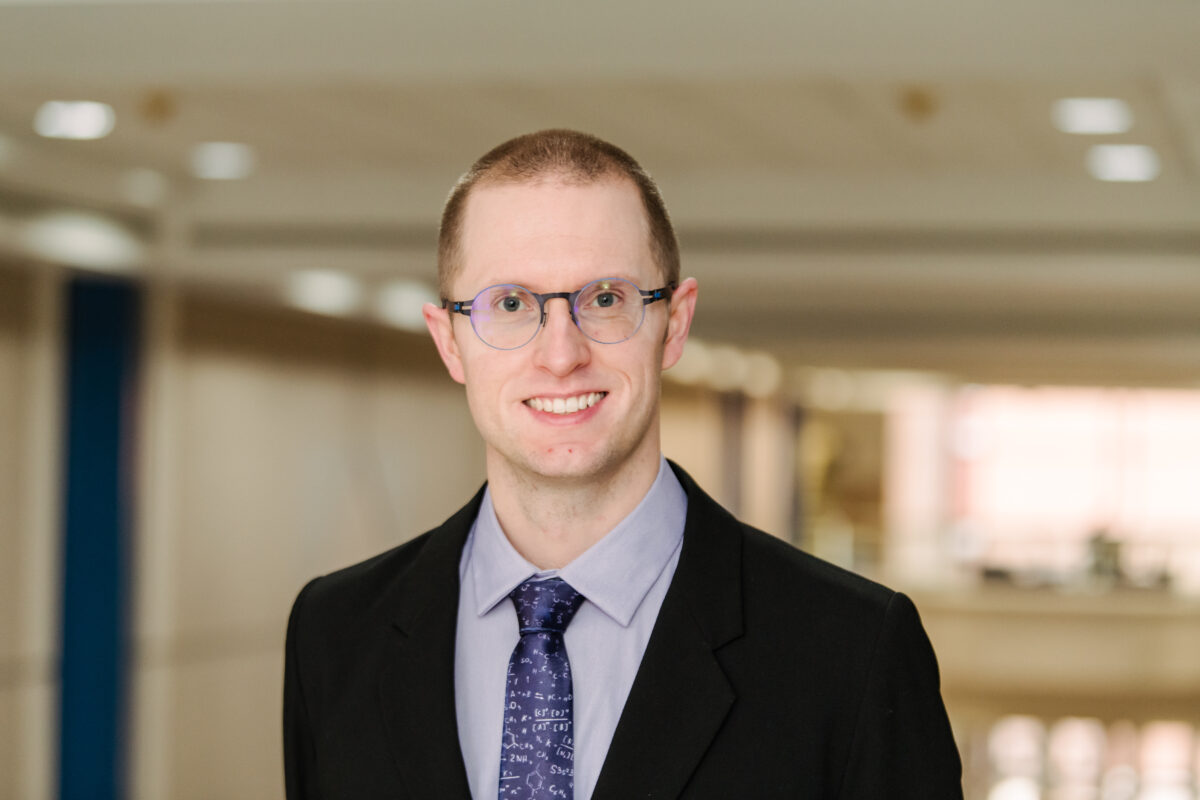
Tejas Gokhale (Marlayna Demond ’11/UMBC) Frank Ferraro (Image courtesy of Ferraro)Tyler Josephson (Marlayna Demond ’11/UMBC)
The team, which includes UMBC faculty Tejas Gokhale, computer science and electrical engineering, and Tyler Josephson, chemical, biochemical, and environmental engineering, as well as colleagues from Stony Brook University, the University of Texas at Austin, and the University of Cambridge, will develop and test the tool on three leading areas of scientific research: materials science, AI, and quantum computing.
“It’s a little meta that the AI will be analyzing AI,” Ferraro says. More than 20 UMBC undergrads, grad students, and post-docs will take part in the project. “They’ll get opportunities to network with peers on a highly relevant topic,” Ferraro says. “They’ll be helping guide the national conversation on these issues.”
The TowerCares Foundation, the philanthropic arm of the Laurel, Maryland-based Tower Federal Credit Union, has partnered with UMBC’s Cybersecurity Institute to create a new scholarship fund for UMBC students studying cybersecurity. The scholarships will support students in the university’s Cyber Scholars Program, a program with a track record of more than 10 years nurturing the next generation of cybersecurity professionals. The program provides financial aid, a welcoming community, unique courses, mentoring, and the chance for students to take part in cybersecurity research and internships early in their academic careers.
“Our mission is to help our community thrive, and partnering with institutions like UMBC—recognized as a leader in information technology and cybersecurity—is a key part of that effort,” says Allen Brisentine, chairman of the TowerCares Foundation. “The entire Maryland region benefits from UMBC’s renowned and highly regarded cybersecurity program.”
As cyber threats, ransomware, and data breaches have become daily realities in our increasingly digital world, the demand for skilled cybersecurity professionals remains strong. The Cyber Scholars Program has launched the careers of over 100 graduates, many of whom have gone on to jobs safeguarding the digital data of government agencies, businesses, and everyday consumers.
“Last year we celebrated the 10th anniversary of the program, and it was such a great feeling to meet program alumni who have become cybersecurity leaders,” says Anupam Joshi, acting dean of the College of Engineering and Information Technology. “We’re deeply grateful to the TowerCares Foundation for supporting this important work that both helps grow the cybersecurity workforce and makes it more inclusive.”
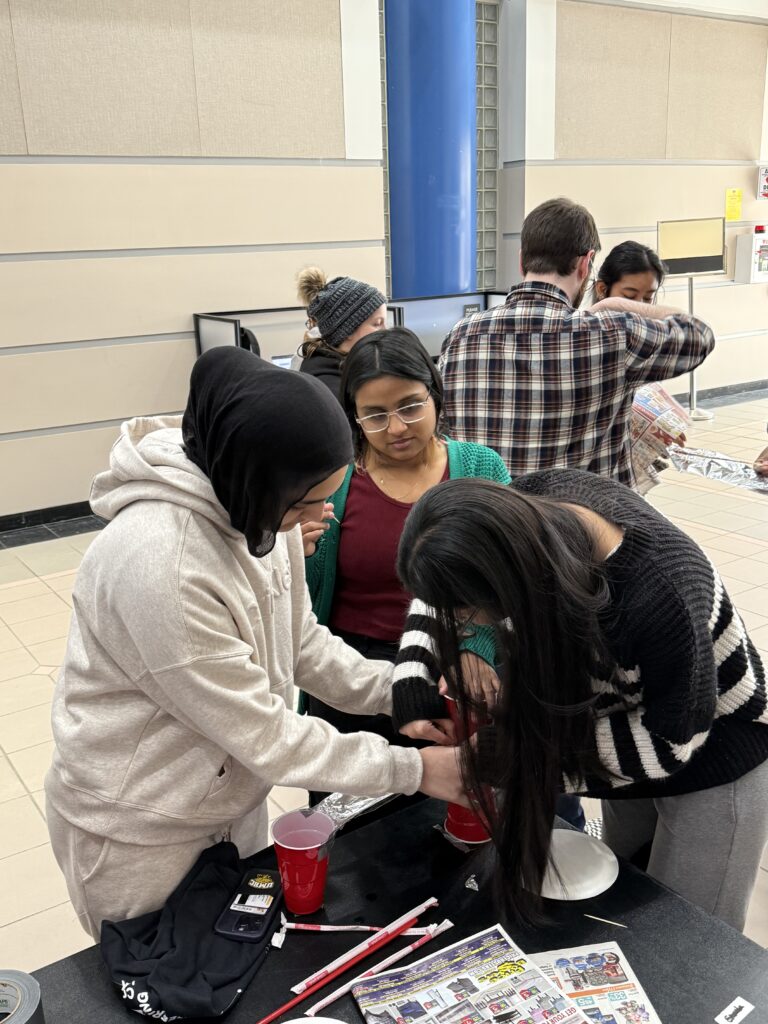
Where can UMBC engineering and computing students mingle with friends and mentors over sweet treats, test their knowledge and design skills in friendly competition, and network with potential employers? If it’s February, the answer is the annual Engineering and Computing Week, a traditional celebration of technology, held each year at UMBC to coincide with National Engineers Week.
The UMBC chapter of the engineering honors society Tau Beta Pi, in collaboration with various student engineering organizations on campus, organizes the week of activities each year. This year, the line-up of events featured a mix of social activities, such as painting and crafting, presentations from student organizations, and chances for teams to compete in games testing engineering knowledge and design skills.
Students build devices to direct water flow, during the Engineers Without Borders “Where’s My Water” event. (Image courtesy of August Phelps)
Students could also join faculty, staff, and alumni from the College of Engineering and Information Technology at an evening reception at the Guinness Brewery near UMBC to socialize and network.
“I think the biggest success from the week was the great turnout and engagement we got from the students,” says August Phelps, a mechanical engineering senior and vice president of the UMBC chapter of Tau Beta Pi.
He says the event showcases the wide variety of engineering-focused student organizations at UMBC, which hold events throughout the year and offer great opportunities for students to develop leadership skills and form lasting connections with their peers.
“I hope attendees left feeling more connected as a community,” he says.
When Samuel Bendek, a current mechanical engineering sophomore at UMBC, was still in high school, he worked in a soccer ball factory in his native country of Colombia. At some point, he was given the job of figuring out how much energy the balls retained after bouncing off a wall.
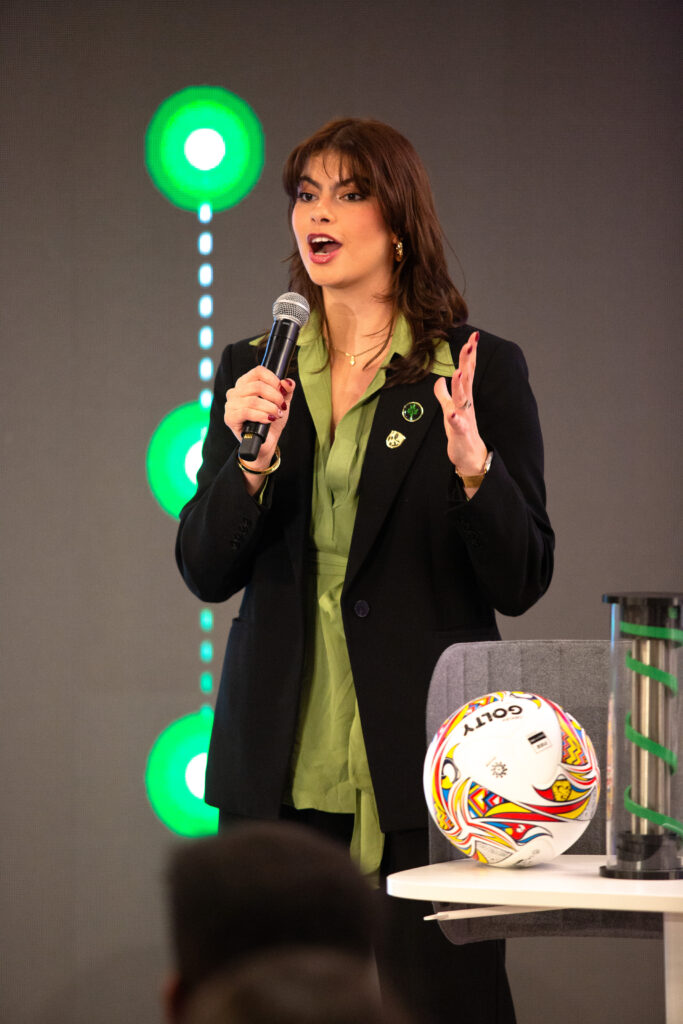
Juliana Bendek, co-founder of Elastic Energy. (Photo courtesy of UpSurge Baltimore)
He went to work, measuring and calculating. “And it turned out, it was greater than 90 percent,” Bendek says. “I was surprised that a soccer ball is so energy efficient!”
The balls were made from natural rubber, made from the sap of certain trees. When the balls hit a wall, the rubber compresses, storing the kinetic energy from their motion in elastic potential energy. Then, as the balls bounce back, the elastic potential energy turns back into kinetic energy, with very low energy loss.
The experience got Bendek thinking—what if rubber could store more than the energy of a soccer player’s kick? What if it could store energy from the sun and the wind?
About five years later, Bendek and his sister and fellow entrepreneur Juliana Bendek pitched that very idea on the stage at the inaugural Maryland Student Ventures Showcase, held February 18 in Baltimore to celebrate the nine local student ventures selected for the first-ever Pava LaPere Innovation Awards. As an award-winner, the Bendeks’ company Elastic Energy will receive $50,000 from the state of Maryland to further its development of a mechanical battery made from natural rubber.
The award and showcase marked the latest step in Bendek’s entrepreneurial journey. Along the way he has embraced the support and guidance of friends, family, and mentors, from UMBC and beyond.
“I have always wanted to create things, since I was a kid destroying my grandmother’s clock to build a new toy,” says Bendek. “This is an opportunity to create something that makes the world a better place.”
From garage tinkering to investor meetings
Shortly after his soccer-ball-inspired light-bulb moment, Bendek got to work in his proverbial garage, experimenting with different ways to stretch rubber and store energy. When he had a decent prototype, he recruited his sister to join his efforts.
“My sister is super smart and very good at connecting to people,” says Bendek. “When I had the prototype, I called her up at like 2 a.m. in the morning. I said, ‘It’ll work. Let’s do this thing together.’”
With some initial funding from family and friends the two started developing the next phase of the technology, while also pitching new investors and building out their team.
Along the way, Bendek, who is also a competitive swimmer, was recruited by UMBC and decided to become a Retriever. He took his dreams to Maryland, and it didn’t take him long to connect with UMBC’s resources for student entrepreneurs.
He reached out to Kevin Fulmer, the director of the Alex. Brown Center for Entrepreneurship and Innovation, which supports the entrepreneurial mindset at UMBC with courses, speaker series featuring business leaders, startup accelerator programs, and assistance with business ideas and networking with experts.
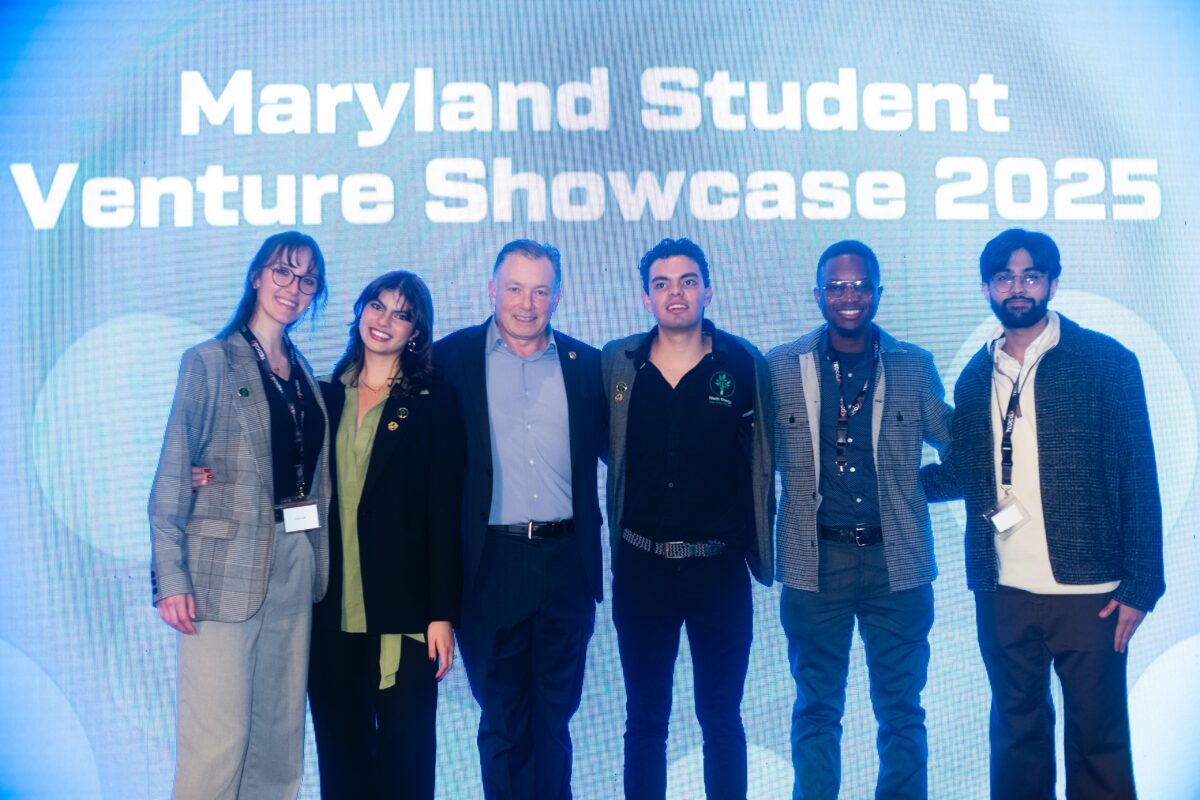
UMBC student Sophia Grillo, Juliana Bendek, Kevin Fulmer, Samuel Bendek, UMBC student Femi Adisa, and Hamza Umar ’21, M.S. ’24, mechanical engineering, gather at the Maryland Student Venture Showcase. (Photo courtesy of UpSurge Baltimore)
“I met Samuel when he was still a first-year student,” says Fulmer. “He came in with a slide deck that included pictures of a working prototype, and I was really impressed. We started meeting on a regular basis and it’s been really fun to see his progress and certainly exciting to see him win things like this $50,000 grant.”
“Kevin has helped me a lot,” says Bendek. “He helped me build a business plan, put me in touch with local experts, and helped find opportunities like the Pava LaPere Innovation Grant.”
Imagining a clean energy future
The batteries Bendek’s company plans to build are slim cylinders a little taller than an average person. Inside, a motor, ideally powered by solar cells or other renewable sources of energy, stretches a 100-meter elastic band to more than ten times its original length by winding it around an inner core. When the power to the motor is turned off, the system can go into reverse. The motor becomes an electric generator, powered by the unwinding elastic band.
Each battery can store about 1 kilowatt-hours of energy—For comparison, a typical American household uses about 30 kilowatt hours of electricity a day.
While Elastic Energy’s batteries cannot provide as much energy as chemical batteries of the same weight, Bendek says their main selling points are that they are long-lasting, relatively inexpensive, and don’t require the mining of minerals like lithium, which can damage the environment and also lead to geopolitical tensions due to the minerals’ uneven distribution around the world.
The company plans to first target the consumer market, offering the batteries as backup power for homes or RVs. Eventually, they hope they can become part of the solution for grid-scale energy storage.
Bendek plans to test the technology this summer in a remote, off-grid town in Colombia to demonstrate its viability.
“These batteries are a technology that really has the potential to grow, I’m confident of that,” says Fulmer. “And Samuel has a great mindset—the entrepreneurial mindset of making things happen.”
A six-person UMBC team built international connections at the “PIWOT – World of Technology” conference, held in late January in Mumbai, India. The conference is organized by the alumni association for graduates of the prestigious Indian Institutes of Technology (IITs), and attracts many of the leaders in science and technology in India and around the world. The CEO of Alphabet, Inc. (Google’s parent company), the co-founder of Sun Microsystems, and the CEO of IBM are all graduates of IITs.
UMBC was represented at the conference by Anupam Joshi, acting dean of the College of Engineering and Information Technology; Upal Ghosh, professor in the Department of Chemical, Biochemical and Environmental Engineering; Ramana Vinjamuri, associate professor in the Department of Computer Science and Electrical Engineering and director of the NSF IUCRC BRAIN Center; Govind Rao, director of the Center for Advanced Sensor Technology and professor in the Department of Chemical, Biochemical and Environmental Engineering; Karuna Pande Joshi, professor in the Department of Information Systems and director of the NSF IUCRC Center for Accelerated Real Time Analytics; and David Di Maria, senior international officer and associate vice provost for international education at UMBC.
Dean Joshi spoke at the conference about the impact of technology on education. (Photo courtesy of Govind Rao)
The UMBC team staffed a well-trafficked booth in the Expo Hall. As an extension of the meeting, they also visited IITs at Mumbai, Hyderabad, and Tirupati, and met with the directors of these institutions to discuss institutional agreements and lay the groundwork for international faculty and student exchanges.
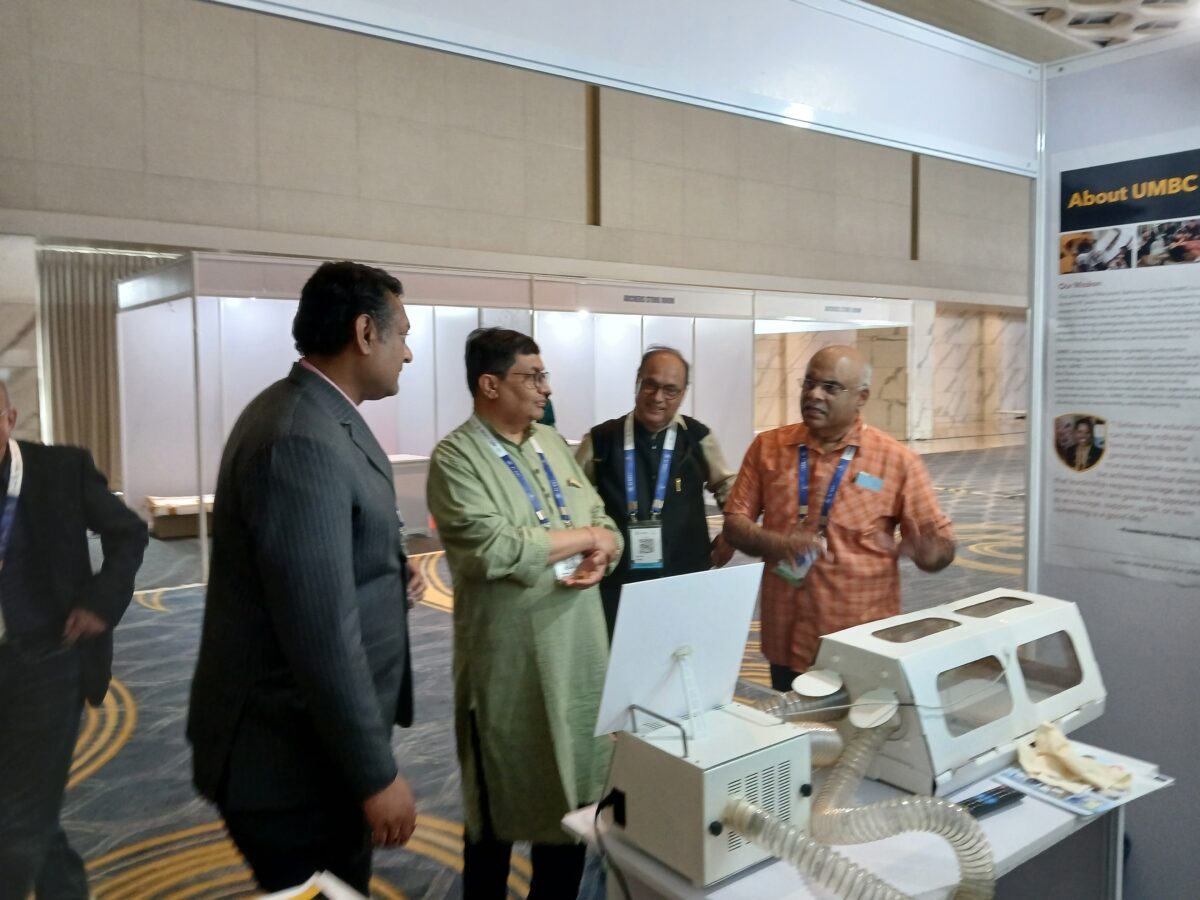
This year’s PIWOT conference focused on the impact of technology across multiple dimensions of life, from the professional to the personal. Dean Joshi took part as a speaker on a panel about the impact of technology on education. The UMBC booth also displayed the low-cost infant incubator developed by Professor Govind Rao.
The UMBC booth displayed the low-cost infant incubator developed by Professor Govind Rao. (Photo courtesy of Karuna Joshi)
Making assumptions is a habit of life, a way to speed up decisions. Sometimes these mental short-cuts, however, lead us astray.
Such was the situation when Lorenz Kopp, an engineering master’s student at Germany’s Regensburg University of Applied Sciences who was visiting UMBC this fall for a 50-day exchange project, assumed the ovens in the U.S. lab he was working in would use the Fahrenheit temperature scale. He filled a mold with a plastic-like gel the group was using to make flexible accordion-shaped structures, put it in the oven to set, and sat back.
“And then I started to smell burning,” he says, with a smile. The ovens were in fact operating in Celsius, and he had set the temperature too high.
Kopp came to the U.S. with fellow Regensburg student Björn Michelmann to work with mechanical engineering professor Paris von Lockette. Their project was part of a bigger assumption-questioning enterprise—in particular probing the behavior of materials called soft magnets.
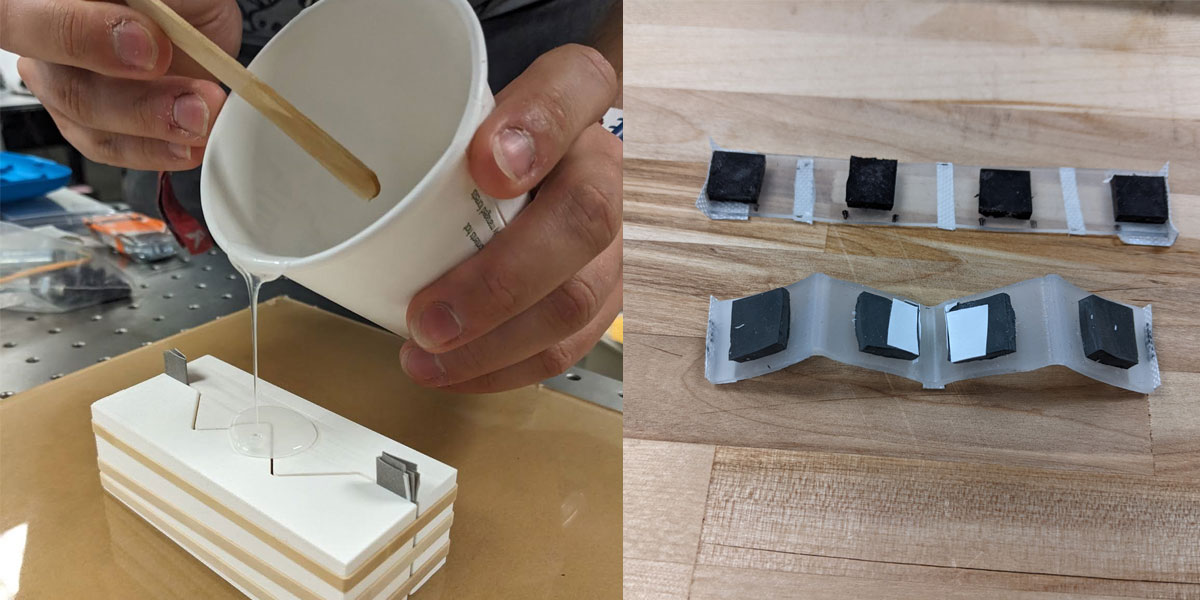
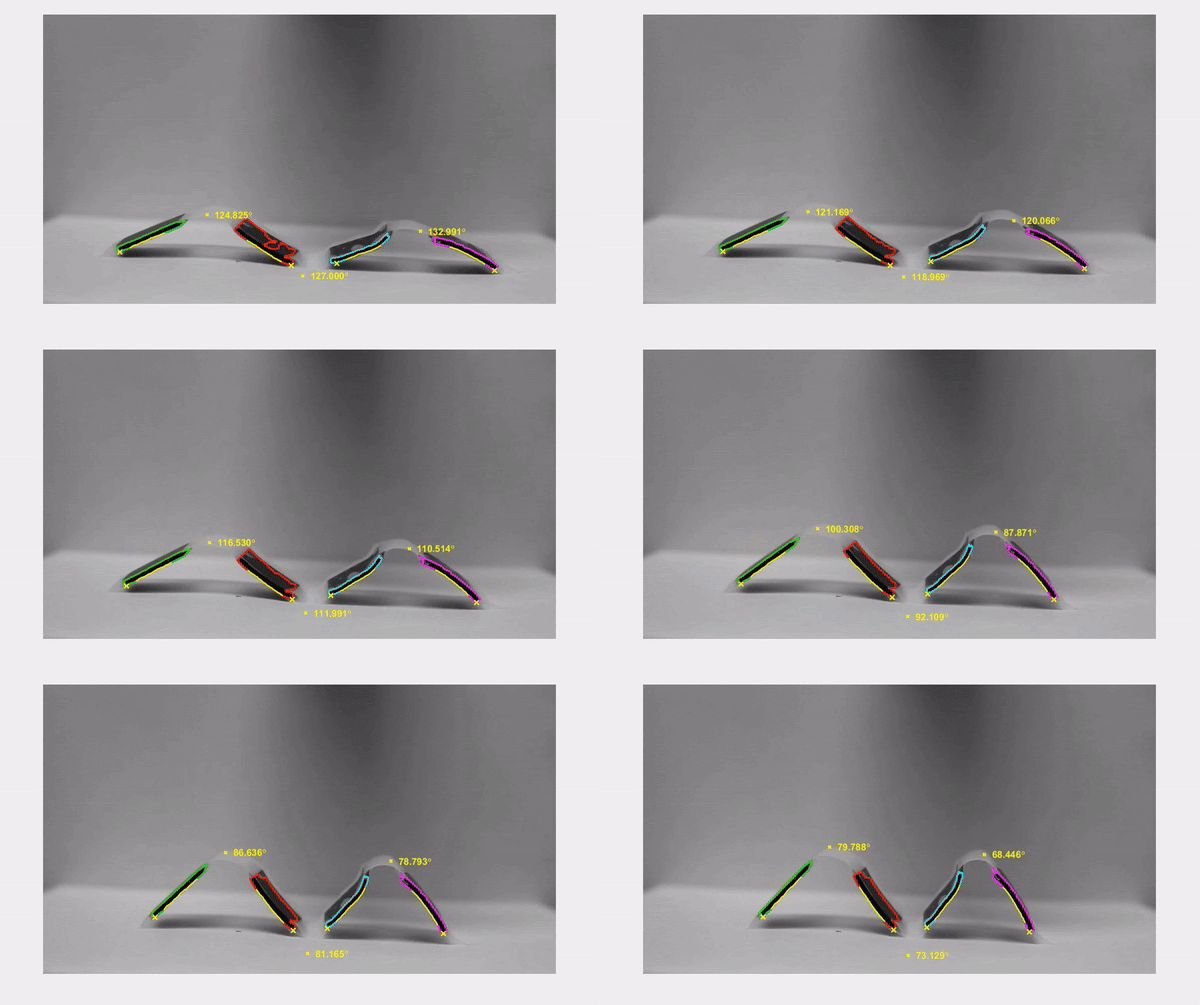
Kopp and Michelmann designed and made magnetically active accordion structures from a flexible, plastic-like material. (Images courtesy of Lorenz Kopp)
Soft magnetic materials tend to be metals that easily respond to (become magnetized in) the presence of a magnetic field, but go back to “normal” when the field is removed. This is in contrast to hard magnetic materials, which can be permanently magnetized. A typical fridge magnet is an example of a hard magnetic material, while a piece of iron is an example of a soft magnetic material.
Engineers are interested in magnets as a way to wirelessly control robots, but soft magnets are often assumed to offer a less versatile range of movements for these applications than hard magnets.
For about seven weeks during the fall semester, Kopp and Michelmann set up and ran a series of experiments putting some of these assumptions to the test. They designed accordion structures made from a flexible plastic-like material and embedded either soft or hard magnets in the accordions’ pleats. They then recorded how the structures folded or unfolded when exposed to magnetic fields. Early analysis of the results hints that the soft magnets may offer more versatility than initially assumed.
“It was great working with Lorenz and Björn. They were exceptionally productive,” von Lockette says. “We got interesting results and we’re working to write them up in a paper.”
Soft magnetic materials are appealing to engineers because they are cheaper and more biocompatible than hard magnetic materials, and also require less energy to be magnetized and demagnetized. If the group can demonstrate novel ways to get extra degrees of control over their movement, it could open a host of new applications, including in robots that assist in surgery or devices that are implanted in the human body to deliver drugs, monitor diseases, or substitute for the function of lost or damaged organs.
An international collaboration
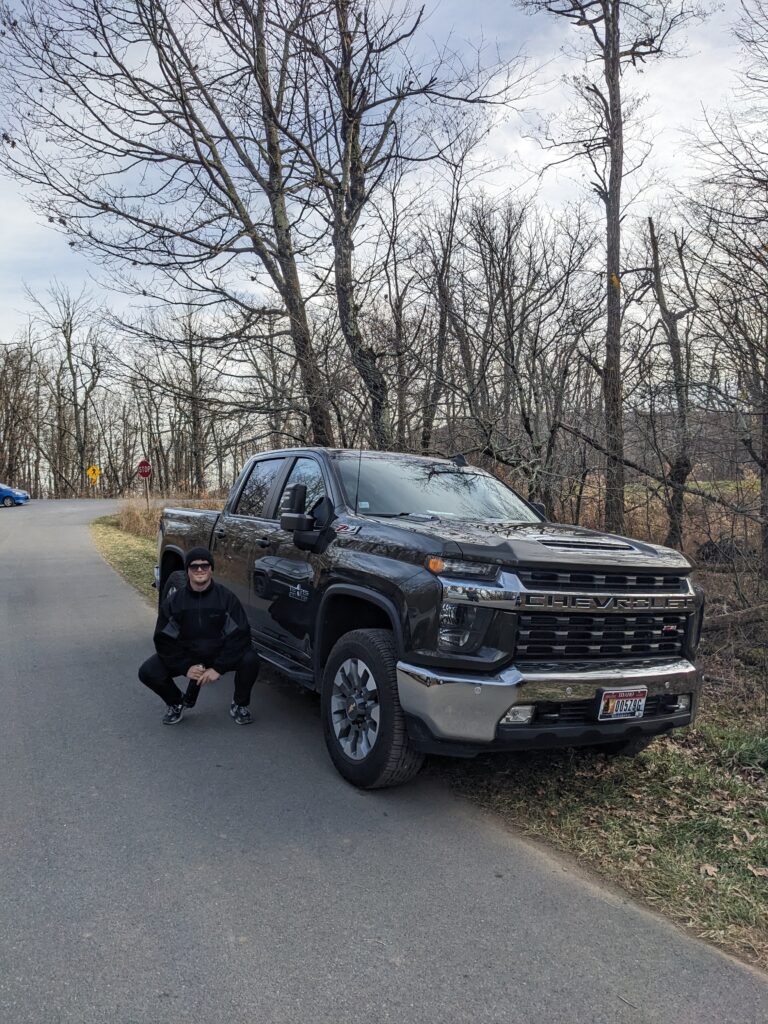
Kopp near the truck he and Michelmann drove to Shenandoah National Park. (Image courtesy of Lorenz Kopp)
Kopp and Michelmann got the opportunity to visit UMBC through funding by the German Academic Exchange Service. Their advisor at Regensburg University of Applied Sciences—Mikhail Chamonine—knew von Lockette through the American Society of Mechanical Engineers, and together they arranged the details of the visit with the help of the Office of International Students and Scholars at UMBC. Chamonine specializes in the physics of electromagnetic fields, and his lab in Germany performs many experiments with rubber-based soft magnetic materials. Von Lockette has developed his career around turning science insights about magnetically active soft materials into new applications and devices. The area of magnetic control of robots was a natural overlap.
While Kopp and Michelmann spent plenty of time in the lab during their visit, they also had chances to explore the areas surrounding UMBC on weekends. They visited the National Aquarium in Baltimore, took in a Raven’s football game, and drove to Shenandoah National Park in Virginia. They also enjoyed campus life, attending Homecoming weekend in October and regularly visiting the Retriever Activity Center to work out.
Michelmann says it was eye-opening to experience life on a U.S. university campus. “In a lot of U.S. films, there are fraternities and sororities with houses where they party every night. But I learned that stereotype doesn’t apply to UMBC.” He says he was pleasantly surprised by the variety of activities on campus, from sporting events, to tabletop games, to events such as bingo and craft nights organized by the Student Events Board.
Advancing science and technology
Von Lockette says he hopes to continue the collaboration with Regensburg University of Applied Sciences, and to arrange trips for UMBC students to visit Germany in the future.
Kopp, Michelmann, von Lockette, and Chamonine remain in touch as they write up the results of their experiments. When they noticed some unexpected behavior of the soft magnet accordions, von Lockette says he found himself thinking back to discussions he had with Chamonine about the importance of what are called demagnetizing terms in equations describing the magnetization of materials. The terms are affected by the geometry of the material and explain, for example, why when you put an iron nail in a magnetic field, it is easier for the nail to magnetize along its length, rather than perpendicular to it.
The researchers are testing whether they can explain the behavior of the soft magnets they tested—and the difference from the hard magnets—using demagnetizing field calculations. A better understanding of the behavior could guide future experiments trying to demonstrate greater versatility of movements and finer control.
The researchers recorded and analyzed how the accordion structures folded or unfolded when exposed to magnetic fields. (Video courtesy of Lorenz Kopp)
“We’ll experiment with different materials and different geometries. We’re wondering: If we apply this field, what can we make it do that we didn’t think it could do?” von Lockette says.
Von Lockette has a history of getting fellow researchers to consider the usefulness of materials they may have overlooked. Earlier in his career, he published a paper demonstrating the potential of a new type of magnetically active material—in that case made with hard magnets.
“That was my first big splash,” he says. Now he’s happy to give soft magnets their due too, while also encouraging a new generation of researchers, including Kopp and Michelmann.
Chamonine is also pleased with the work of his students. “They are working to get the results published, which is not typical for a short project,” he says.
Beyond pushing the assumptions of what could get done in the lab in seven weeks, Kopp and Michelmann also enjoyed the typical world-expanding experience of international travel. “It was not only the science,” Chamonine says, “but they also had a chance to stay in the United States. I think for them it was absolutely an exciting moment in life.”
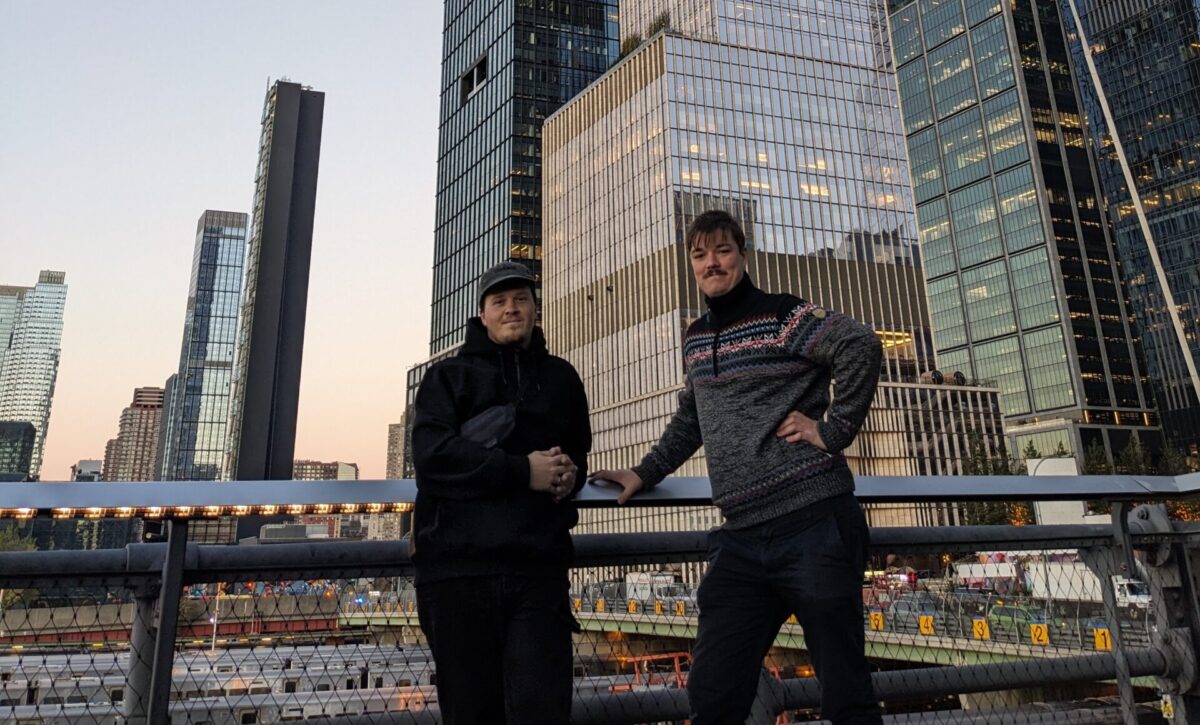
Kopp and Michelmann visited New York at the end of their U.S. trip. (Image courtesy of Lorenz Kopp)
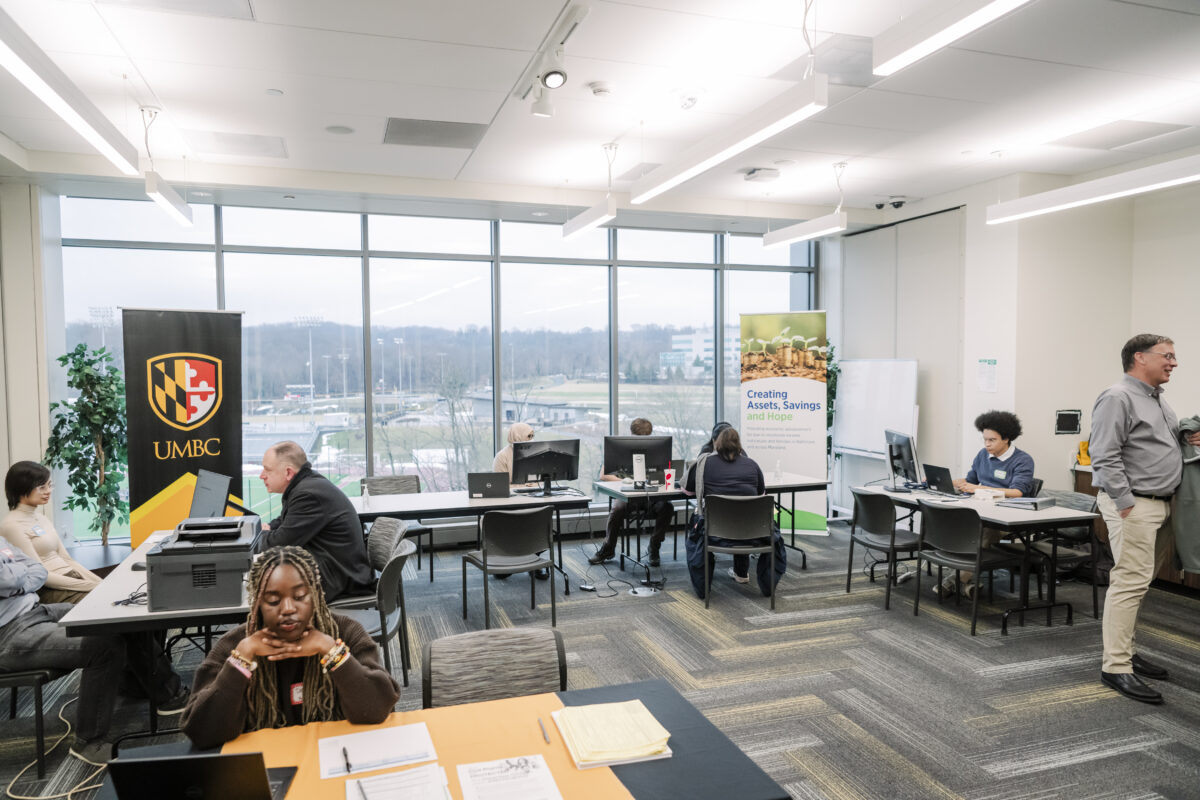
On January 31, the CASH Campaign of Maryland, a nonprofit working to promote the economic advancement of low-to-moderate income individuals and families in Baltimore and across Maryland, kicked off the 2025 tax season with a press conference at UMBC promoting free tax prep services in the Baltimore area, including services offered on the UMBC campus.
Maryland Governor Wes Moore, Maryland Comptroller Brooke Lierman, U.S. Congressman Kweisi Mfume, and new U.S. Congressman Johnny Olszewski, Ph.D. ’17, public policy, spoke at the event, applauding the reach of the CASH Campaign and the UMBC student volunteers who make time to help their fellow Marylanders.
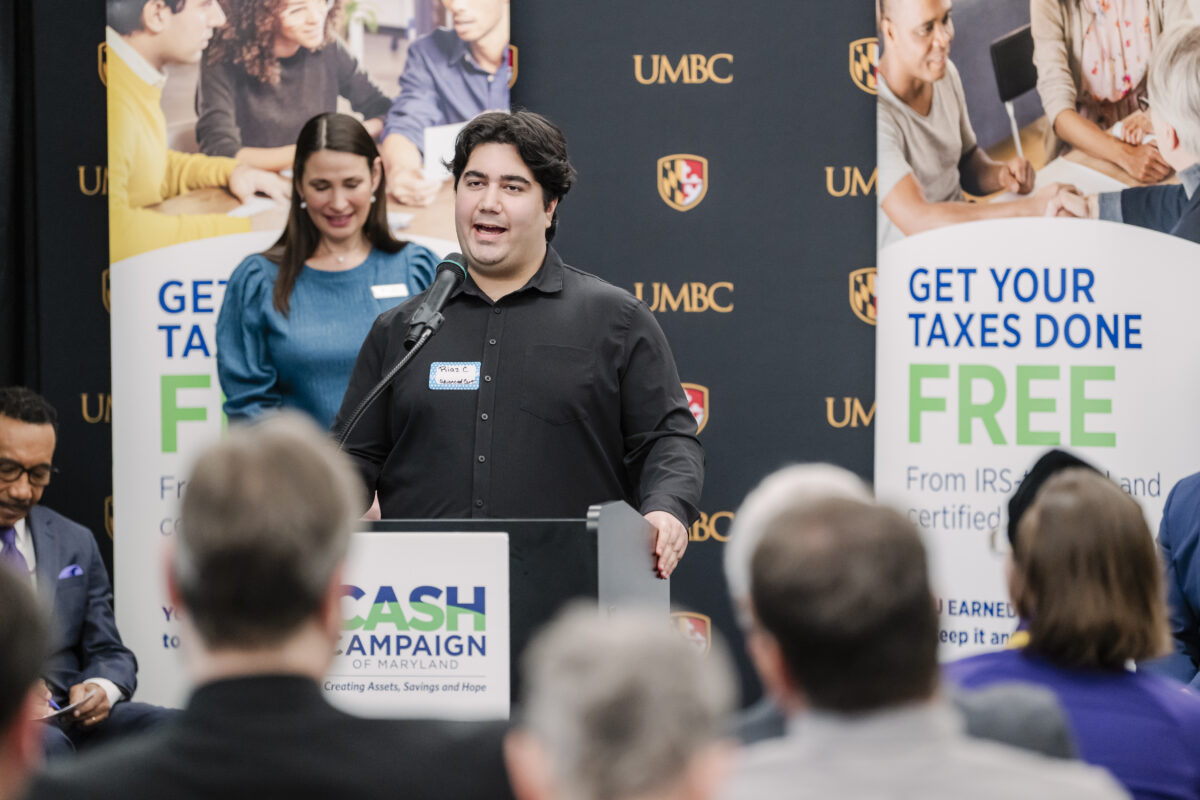
UMBC student Riaz Chaudry, a senior in financial economics, who has volunteered at the UMBC free tax prep site since his first year and now serves as the student president and site coordinator, also spoke about his experience.
Financial economics senior Riaz Chaudry, who has volunteered at the UMBC free tax prep site for 4 years, spoke about his experiences. (Marlayna Demond ’11/UMBC)
Chaudry says that when he arrived on campus, he explored many student clubs and other ways to get involved. Volunteering to help prepare taxes for low-to-moderate income Marylanders was the activity that most inspired him, because he felt the immediate impact of giving back to the community.
“It’s rewarding knowing that I am making a difference in people’s lives,” he says.
Tax prep comes to UMBC
UMBC’s role as a free tax prep site started close to a decade ago, when Trisha Wells, theassistant vice provost for administration and finance for the Division of Professional Studies, says she and a few other UMBC community members who had volunteered as tax preparers at other sites came together to apply to open a UMBC site. The CASH Campaign supported the group with the application process, while UMBC partners such as Residential Life, the Division of Information Technology, the Career Center, and the Shriver Center worked to get space, computers, and more volunteers. The partnership continues with the CASH Campaign, which trains UMBC’s volunteers every year to be ready to prepare tax returns.
In the first year, the UMBC site prepared 115 tax returns, and now averages around 400 per year. Hundreds of trained student volunteers have participated in the efforts, which have saved clients hundreds of thousands of dollars.
Volunteer tax preparers were on hand at the press event to help qualified Marylanders with their taxes. (Marlayna Demond ’11/UMBC)
This year, any individual or family in Maryland with a household income of $67,000 or less qualifies for the free tax prep services. Wells says a wide diversity of people have come to the UMBC site over the years, including retirees and people self-employed with jobs such as drivers and home health aides. The services not only save clients tax preparation fees—they often educate people about tax credits they didn’t know they qualified for.
Helping Marylanders save their earned money
The press conference was held on “National Earned Income Tax Credit Awareness Day,” to raise the visibility of a tax credit designed to help low-to-moderate income individuals and families save money on their taxes.
Chaudry says he remembers helping a client last year file a 2023 return, and also amend her 2022 and 2021 returns. Thanks to the earned income credit, Chaudry says the client received a refund, which she was planning to use on unpaid bills. “Delivering the news to her, I could see that she was immediately relieved,” he says. “This is one of the most rewarding feelings as a volunteer.”
Wells agrees that helping clients get better tax refunds is a great part of the job. She also loves how the effort brings together UMBC staff, community, and students, and how the student volunteers learn and grow throughout the tax season.
“Many of our students have graduated, but still come back to volunteer when they can. It is that rewarding!” she says.
Mechanical engineering Ph.D. student Md Badrul Hasan has received the 2025 Professor Kirti “Karman” Ghia Memorial Award from the American Institute of Aeronautics and Astronautics (AIAA), for his research modeling the fluid flow inside hurricanes with physics-informed machine learning.
The award recognizes an international graduate student in the U.S. who has developed an innovative approach to computational fluid dynamics, in which computers are used to analyze and predict how fluids flow, with applications in aerospace engineering, weather forecasting, and more. Hasan, who is from Bangladesh, is the inaugural recipient of the award. His research explores new ways to improve the modeling of energy flow in hurricanes.
Machine learning for better weather forecasting
Hasan and his UMBC mentors—Meilin Yu, mechanical engineering, and Tim Oates, computer science and electrical engineering—looked at the layer of atmosphere in a hurricane that is directly above the ocean surface. Called the hurricane boundary layer, it is where turbulent flows bring heat and moisture from the water into the air, and it plays a crucial role in determining a hurricane’s intensity and track.
Traditional modeling of this layer fails to account for ways that energy within the smaller eddies in a flowing fluid can feed back into larger scale eddies. Hasan, Yu, and Oates explored how physics-informed machine learning models—which analyze large datasets to spot patterns—could better capture this phenomenon. Ultimately, they are looking to integrate their machine learning models into larger physics-based hurricane simulations to improve the simulations’ accuracy.
Hurricane Humberto, as captured by a NOAA satellite Sept. 15, 2019. (Image credit: NOAA Satellites)
“This work sets up the cornerstone of our ongoing research towards more accurate numerical simulation of hurricane boundary layer flows at the scale of tens to hundreds of miles,” says Yu. “It is also a key step in our renewable energy research, where improving offshore wind farms’ resiliency to tropical storms is our ultimate goal as mechanical engineers. Badrul’s hard work pays off, and we are very proud of him.”
Hasan accepted the award for his work at the 2025 AIAA SciTech Forum, held in early January in Orlando, Florida, where he also presented his research. He says that while the community is filled with many researchers specializing in the traditional physics-based simulations, there is more and more interest in machine learning.
Hasan says he is grateful for the guidance of Tim Oates, from the computer science and electrical engineering department, in selecting and understanding the machine learning models.
“It was a great team effort between mechanical engineering and computer science—really productive and rewarding for both sides,” he says.
U.S. News evaluates programs based on qualities such as strong faculty credentials, a good reputation among peer institutions, and the opportunity for students to use diverse online learning tools and engage with their instructors and classmates.
The UMBC program prides itself on its flexibility, industry-relevant curriculum, and specialization options. Working professionals can choose to pursue a degree on a full-time or part-time basis, depending on their career and personal goals. Students looking to narrow their focus can choose a specialization track in data science, cybersecurity, artificial intelligence, or UX design.
James Foulds directs the online information systems master’s program (Marlayna Demond ’11/UMBC)
New this semester, the program is expanding the student experience for online learners by offering tailored events and networking opportunities, such as virtual networking events, industry-specific webinars, and guest speaker sessions. “These initiatives will help foster a sense of community, even from a distance,” says James Foulds, the director for the online information systems master’s program. “Students can connect with peers, faculty, and alumni in meaningful ways to support their academic and professional growth.”
Foulds himself will participate in the first such event—the new “Midday Mingle” series offering students the chance for informal online chats with program faculty and alumni. In February, Foulds will discuss his research specialty: the ethical and responsible uses of AI.
Naghmeh Karimi, an associate professor in the Department of Computer Science and Electrical Engineering, was recently granted more than $300,000 in funding from the Semiconductor Research Corporation (SRC) to study the security of promising hardware components that speed up the computing process.
SRC brings together technology companies, academics, and government agencies to tackle large scientific and technical challenges, and Karimi’s research will be funded by three leading technology companies: IBM-Research, AMD, and Siemens.
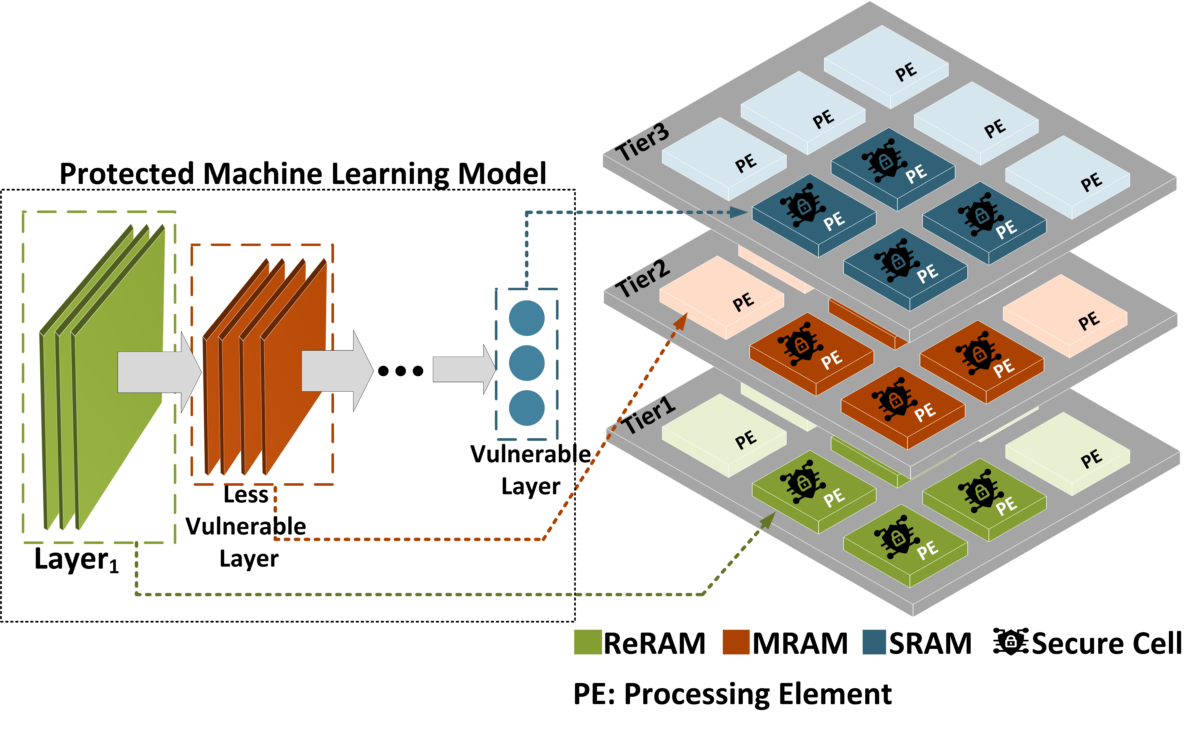
Karimi and her team, including graduate students and a collaborator from Arizona State University, will study computer chips whose design and structure allows computing-in-memory (CiM), where data processing happens directly within the computer’s memory. CiM architectures are promising for speeding up the use of machine learning algorithms because they consume less energy.
Different types of CiM devices (such as RRAM, MRAM, and SRAM) each have their own strengths and weaknesses in terms of performance, power use, and size, and to get the best results, engineers need to combine different CiM devices into one system. Building these systems in 3D layers can further improve their efficiency and performance. However, the security of these 3D architectures has received little attention to date.
Karimi and her team will study the security of computing-in-memory architectures, as shown in this project overview. (Image courtesy of Karimi)
Karimi’s team will study the security of 3D CiM technologies used in AI applications. In particular, the research will focus on evaluating the security vulnerabilities of the technologies and developing mitigation strategies.
“I’m excited about this project because the topic is very timely,” says Karimi. “The support from three leading companies in the AI field shows the importance of the problem and the promise of the solutions we are working on.”
The team aims to enhance the security of CiM-based AI accelerators against physical attacks that adversaries might launch to leak sensitive data or induce malfunctions. The researchers will work closely with the funding companies over the next three years in this area.
Foad Hamidi (Image credit: Research Graphics at UMBC)
Foad Hamidi, an assistant professor in the Department of Information Systems, has won funding from the National Science Foundation (NSF) to support two new projects offering technology-rich informal learning opportunities to diverse populations in Baltimore and beyond.
In the first project, called Space for All, Hamidi will collaborate with Digital Harbor Foundation, a Baltimore-based organization dedicated to creating pathways to opportunity through technology, and MN Associates, an education evaluation firm, to create accessible and engaging learning spaces and programs with and for youth and young adults with autism in three community spaces in Baltimore City. The second project—Introducing Synthetic Biology using Biomaker Activities—will work with youth and their families to co-design activities that support their STEM learning and engagement. That project is a collaboration with the University of Texas at El Paso, Baltimore Underground Science Space (BUGSS), and MN Associates, and will engage participants in El Paso and Baltimore City.
“This work builds on long-term engagement with community partners and transdisciplinary collaboration with experts in participatory design, learning sciences, and special education,” says Hamidi. “The two projects collectively provide our multi-institutional teams with more than $3.3 million to investigate and implement technology-rich, inclusive learning spaces and programs for youth and young adults. The projects will prioritize centering young learners’ and their families’ perspectives and interests through a participatory, community-engaged approach.”
Past outreach success
The projects incorporate lessons from Hamidi’s previous successful community engagement efforts. In an earlier project with the Digital Harbor Foundation Hamidi helped develop technology-rich after school programs in Baltimore.
“An innovation in these programs was that they were offered at city recreation centers, which already have a lot of community members coming to them and are located across the city,” says Hamidi. In the new Space for All project, Hamidi is again partnering with the Digital Harbor Foundation to extend the programs to include youth and young adults with autism.
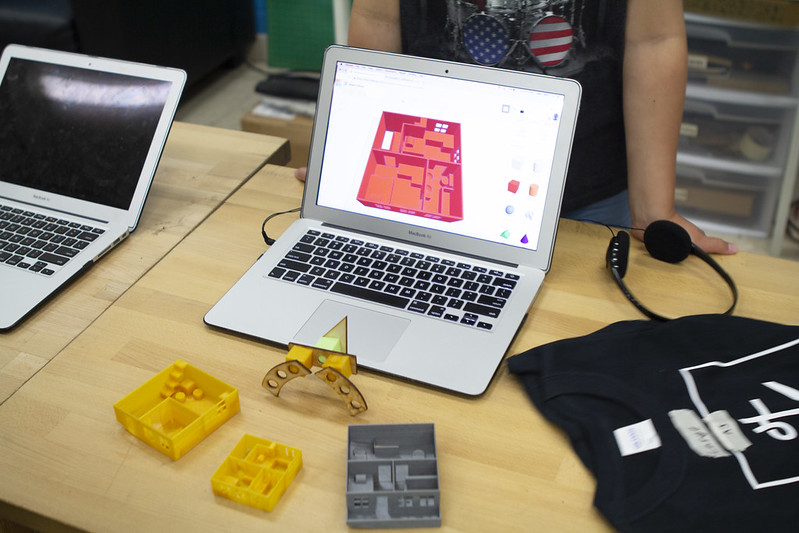
Youth in Baltimore City use 3D modeling software to create house maps that can be printed using plastic, part of a technology-rich afterschool learning program Hamidi created in partnership with the Digital Harbor Foundation. (Image credit: Tech Lab at Digital Harbor Foundation)
In the Introducing Synthetic Biology using Biomaker Activities project, Hamidi and his colleagues aim to engage youth and their families in the new field of synthetic biology, which uses computation and design technology to modify biological cells for research and health applications. The field is an important area for community involvement because synthetic biology has complex ethical implications and health applications, Hamidi says.
Hamidi and his partners will work with youth and their families to collaboratively design and construct engaging learning activities. Possible options include genetically modifying microbes to express color pigments that are then used to paint living art and constructing 3D objects from material containing living fungus.
Art meets science
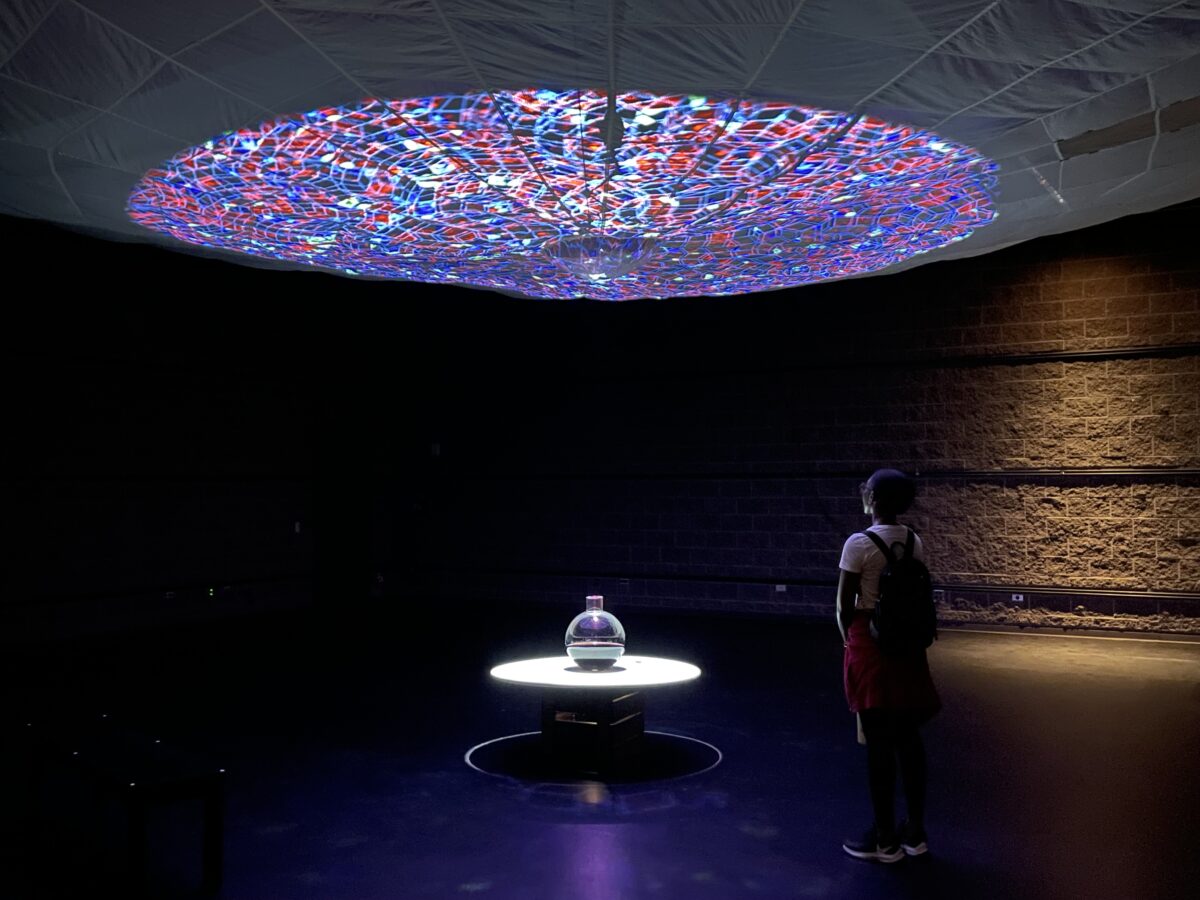
Hamidi has experience using art as an outreach tool. In 2023, together with Linda Dusman, music, and with support from the Imaging Research Center, he initiated a transdisciplinary project at UMBC to create an art installation called Infinite Transformations. The installation’s center podium displayed a bottle of wine fermented using yeast whose DNA was modified to include an encoded version of a poem by the 14th-century Persian Sufi poet Hafiz. The bottle was surrounded by animation created from large-print microscopic images of the genetically modified yeast and ambient audio fusing the poetry of Hafiz, flute music, and a Morse code representation of the poem.
Infinite Transformations exhibit at UMBC in 2023. (Image courtesy of Hamidi)
“Art can help the public learn about and be exposed to cutting-edge scientific concepts and methods in synthetic biology,” Hamidi says. “We will use the knowledge from the Infinite Transformation project to create hands-on activities for a younger audience to learn about biodesign, bioart, and synthetic biology.”
Mohamed Younis, professor and chair of the Department of Computer Science and Electrical Engineering, has been honored by the Institute of Electrical and Electronics Engineers (IEEE) Communications Society for his significant and lasting contributions to the advancement of modern communication technologies. The award was announced December 9 at the society’s Global Communications Conference in Cape Town, South Africa. In particular, Younis was honored by the IEEE technical committee on internet of things, ad hoc, and sensor networks for his impactful contributions to these frontier areas of communications.
The proliferation of mobile phones, smart devices, and sensors such as cameras has transformed the communications landscape in recent decades. Oftentimes, diverse devices, such as autonomous vehicles and wearable sensors, talk to other devices without relying on pre-existing communications infrastructure such as routers, a set-up called an ad hoc network.
Younis’ work has advanced the expanding scope of communications technology, while also working to keep these methods reliable and secure. He has developed algorithms for networks of moveable sensor nodes, for example drones on a search-and-rescue mission, to recover from the failure of individual nodes; has created new ways to send signals directly from air to underwater; and has studied ways to protect the privacy of data sent from medical devices and sensors, among many other contributions.
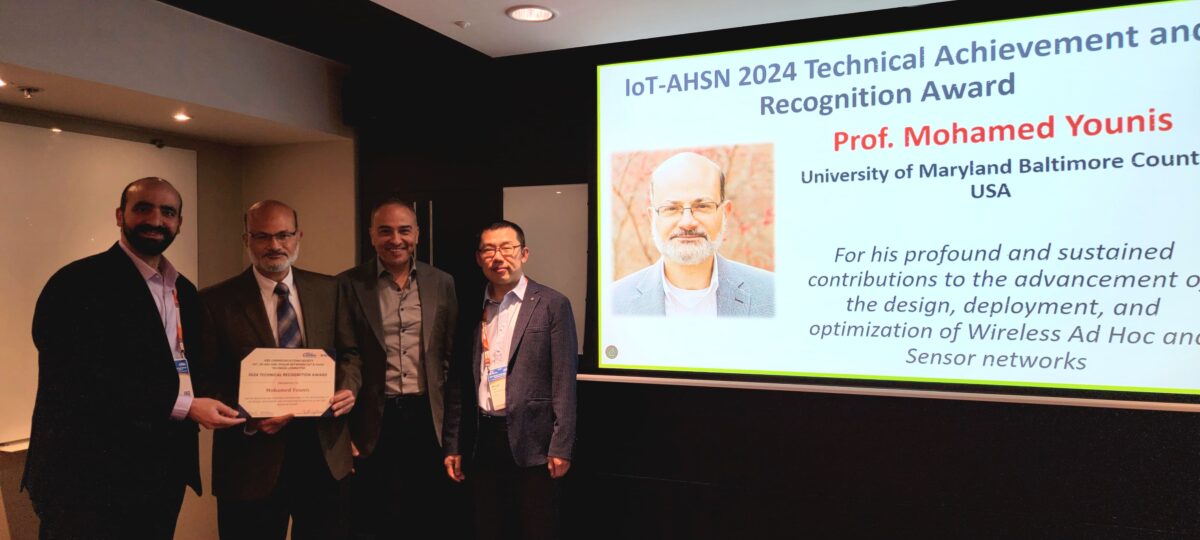
Mohamed Younis (second from left) receives the IoT, Ad Hoc and Sensor Networks 2024 Technical Achievement and Recognition Award at the IEEE Global Communications Conference in South Africa. (Photo courtesy of Younis)
“This award was a surprise to me—it made me happy,” says Younis, who traveled to South Africa to receive it. “It’s a recognition from the community that means a lot.”