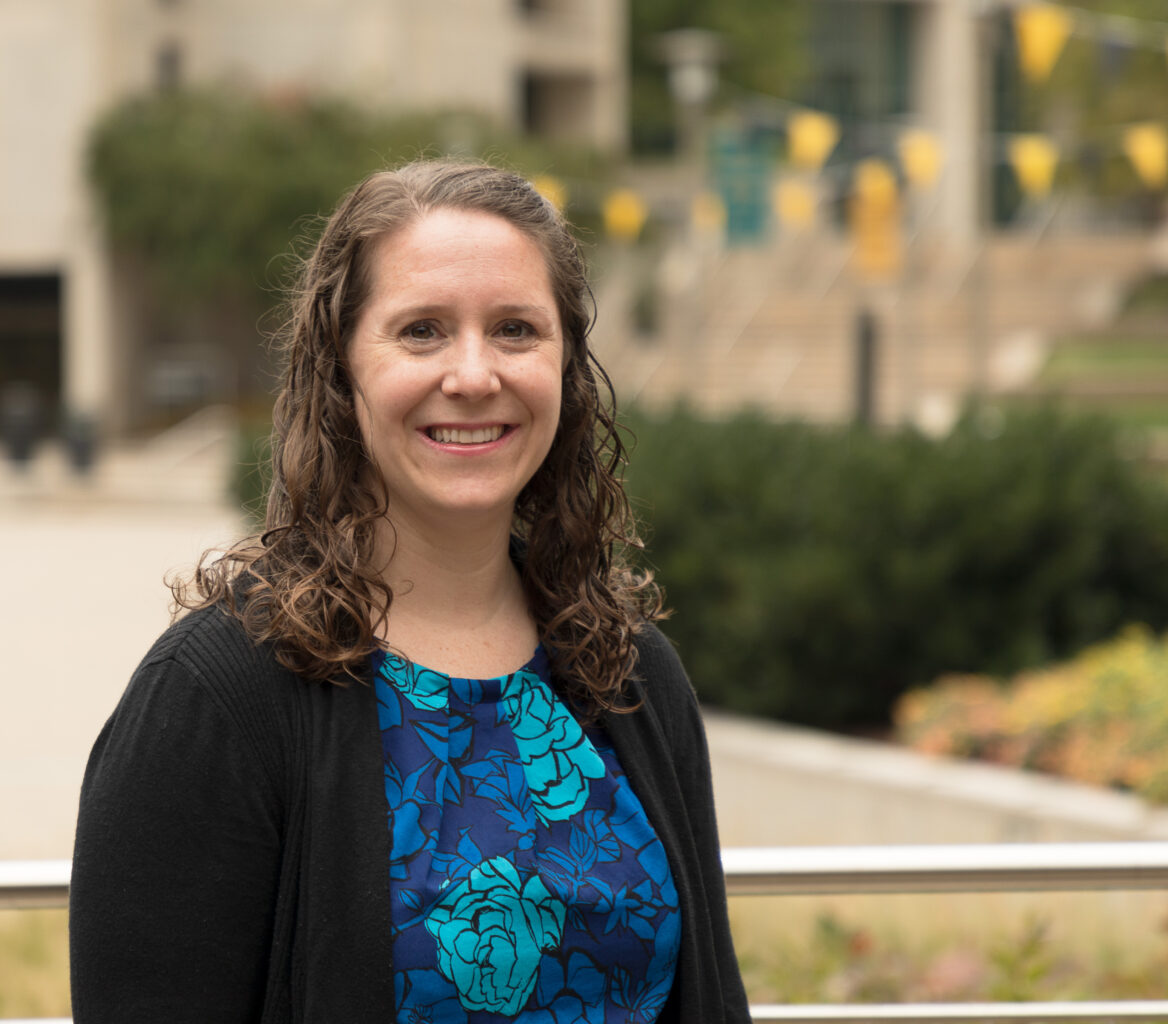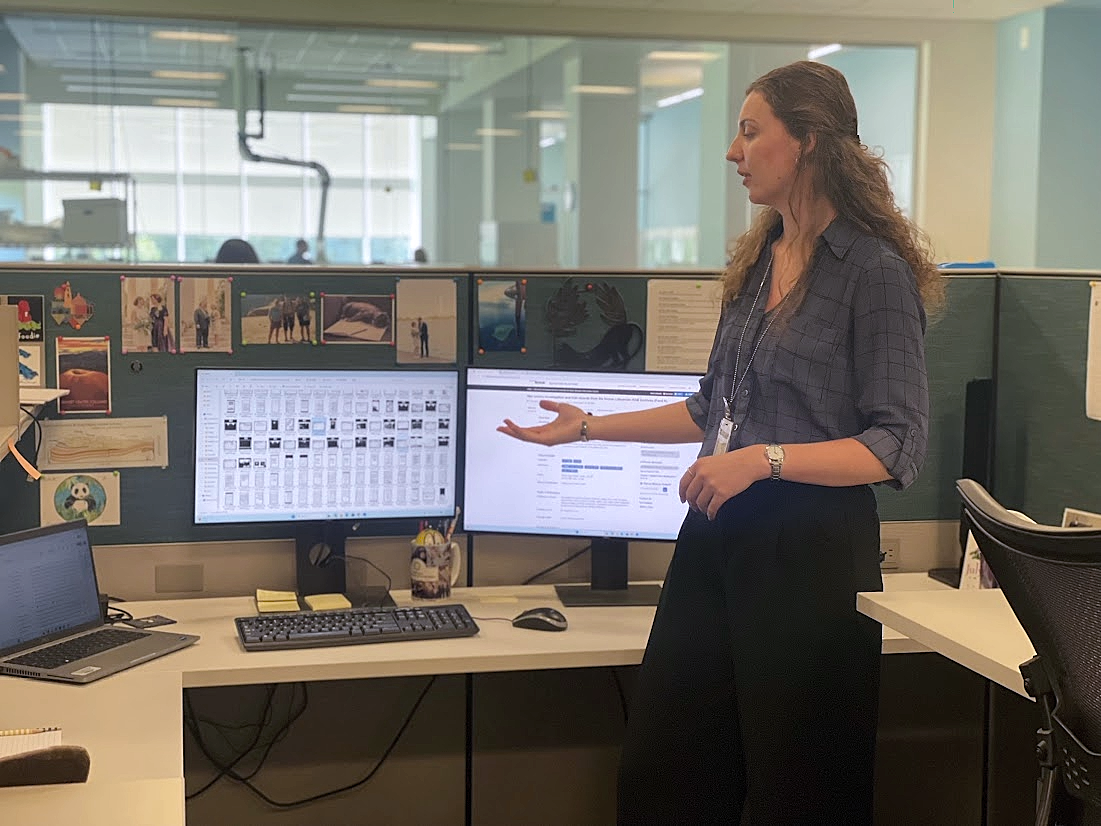

When Dolly Parton passed away, fans worldwide shared memories of her movies, albums, and TV shows, as well as her kindness and early support for the LGBTQ+ community. Amy Tondreau, associate professor of elementary literacy in UMBC’s School of Education, remembers Parton as an icon, pioneer, and a role model who lived out her feminist values, “a beacon of kindness, hope, charity, and community” for so many people, but particularly, she sees Parton’s legacy through Dolly Parton’s Imagination Library.

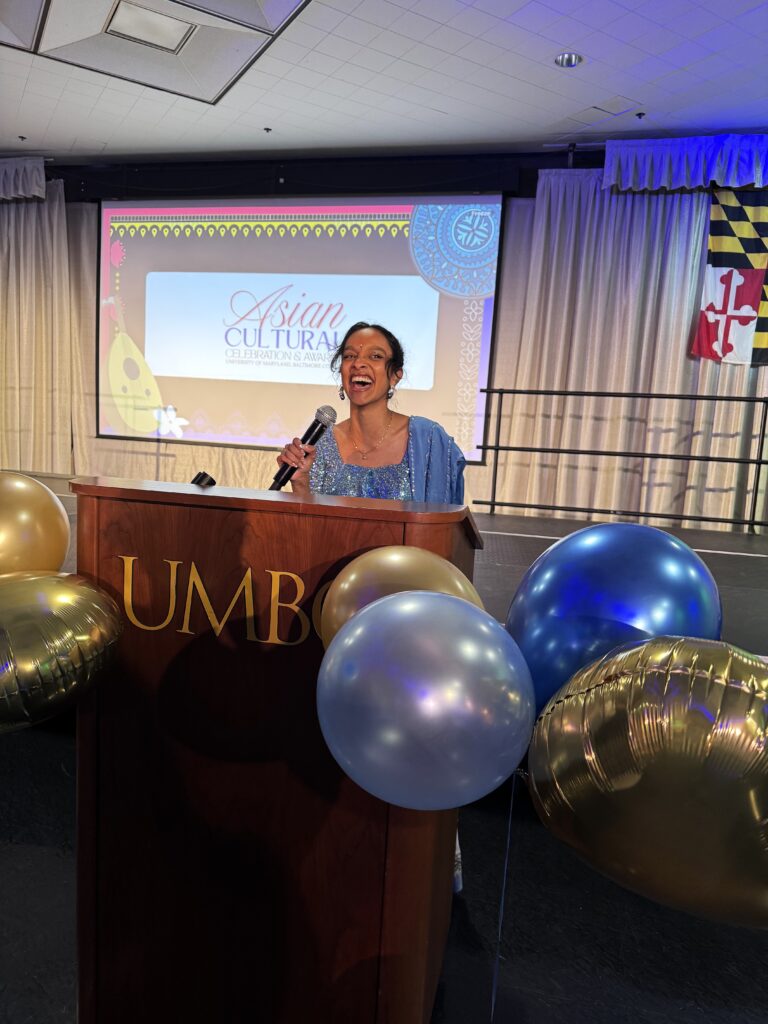
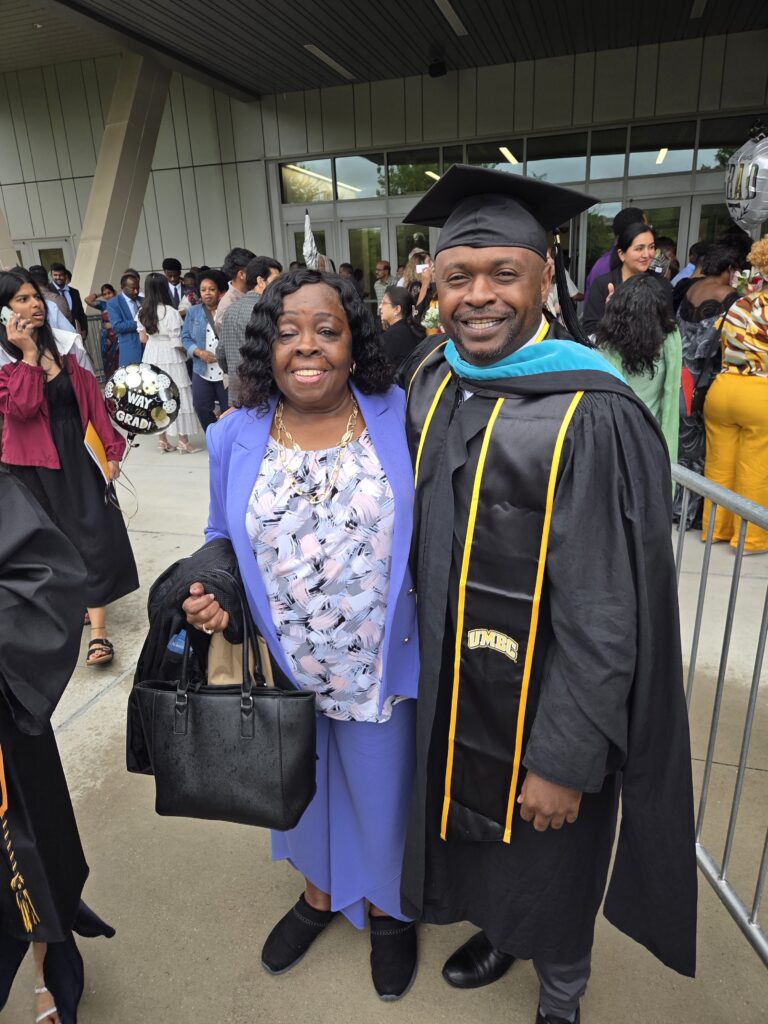
annual Arts Integration Conference.
(Image courtesy of Tondreau)
“In terms of literacy, Dolly Parton put her money where her mouth is,” says Tondreau, coauthor of Sustaining Cultural and Disability Identities in the Literacy Classroom, K-6 (2023). In 1995, Parton established a free book program for children under five in her hometown of Sevier County, Tennessee. Its success in increasing literacy rates in Sevier County inspired Parton to establish Dolly Parton’s Imagination Library. Each month, the book-gifting program mails millions of age-appropriate books to registered children worldwide at no cost to the child’s family. “She invested in supporting families and children who need it and let them feel pride and have agency over learning new things,” says Tondreau, whose research on postmodern picture books, as well as books centered on Asian American children’s experiences and disability representation, shows how making reading fun, accessible, and culturally relevant opens a more engaging path to reading.
Neuroscience of reading
The skill-building that books provide begins years before a child reads their first words. Children first learn how to hold and open books, turn pages, and explore the pictures. Through more than a decade of research and as a former elementary school teacher, Tondreau has seen the power picture books have on children as they are learning to communicate their needs and wants. “A lot of picture books are about kids who are having big emotions and how they work through them, or they learn something, or they have disagreements with a sibling or a friend, and those become possibilities and life lessons for kids,” she says.
Dolly Parton’s Imagination Library has opened the door for learning sounds, letters, and words before they step into the classroom, what Tondreau calls “cracking the code.” “The cognitive work a child has to do to crack the reading code is complex,” says Tondreau. In addition to the 26 letters in the alphabet, there are 44 phonemes, the smallest units of sound in a spoken language that can change the meaning of a word, for example, replacing the “c” in cat with a “b” to create bat. There is one letter and one sound. However, not all phonemes match. Replacing “c” in cat with “ch” to create chat can be challenging because even though there are two letters, they create one sound. The ability to identify and manipulate these sounds is an essential emergent literacy skill, including understanding the rules of written language, recognizing and understanding the alphabet, and listening, reading, speaking, and writing words.
Windows and mirrors
The long list of subskills required to learn to read can deter some children if they don’t have a joy for books or access to books that mirror their life experience. In her work with in-service teachers and student-teachers, Tondreau emphasises using books as a tool for connection and to inspire students to keep reading as they make the shift from learning to read to reading to learn.
“We always talk in children’s literature about the ideas of mirrors and windows. We want students to have texts that mirror back their experience, so that they see themselves represented and see that stories about people like them are valued and important,” says Tondreau. The Imagination Library also has a bilingual program. “That’s particularly relevant right now with all the challenges Latinx communities are facing. We also want children to have windows into other people’s experiences so that they learn about people who are different from them. Both of those experiences are valuable for all kids.”
Access to books
Parton’s inspirations for the Imagination Library came from her father, who had to work as a child to help his family. He did not get to go to school or learn to read or write, which limited his opportunities. Many families today face harsh economic and education challenges.
“With today’s high inflation, families are making decisions about paying rent or buying food or putting gas in their car and trying to make their budget stretch,” says Tondreau. The Imagination Library helps families access books regardless of their socioeconomic situation. “In times like this, buying books is not something that has the same level of need as putting food on the table or turning the heat on.”

(Image courtesy of Tondreau)
Over 31 years, the Imagination Library has sent 343,596,903 books to 3,197,250 registered children in the United States, Canada, the United Kingdom, Australia, and the Republic of Ireland. Baltimore City’s Enoch Pratt Free Library has registered over 7,473 children, and more than 60,000 are registered across Maryland.
Tondreau notes that sharing picture books, whether that’s within a family setting or within a classroom setting, “Is a way to give kids a sense of belonging, purpose, and possibility.”