
UMBC’s TED-style research and creative achievement series marks its 10th year running on Saturday, October 17, from 4 to 6 p.m. at the Earl and Darielle Linehan Concert Hall. GRIT-X (Global. Research. Innovation. Trends. Excellence.) showcases the work of faculty, alumni, and graduate students whose ideas span HIV research and digital twins to ice cream entrepreneurship and the university’s founding stories.
This fall’s lineup includes newcomers to the spotlight: Nancy Chiles Shaffer ’09, biological sciences, associate director of healthcare data management and integrity at the Maryland Health Services Cost Review Commission, will draw on her work in state health policy to examine how government systems, including data-driven decision-making, can better serve diverse communities. Eric Millikin, assistant professor of visual arts, will explore the intersections of artificial intelligence, robotics, biological art, and the occult through installations, performance, and interactive media.
“I am very excited that this year marks our 10th anniversary of highlighting the extraordinary talent of our faculty, alumni, and students in the annual GRIT-X event,” shares Karl V. Steiner, vice president for research at UMBC, whose team organizes the event. “The breadth of expertise presented combined with its impact on our communities continues to impress me every year.”
Come for the 10-minute talks, stay for the conversations, and get ready to ask great questions by catching up on some of the stories that have already put UMBC research front and center:

Magnetic Moments—Using Powerful Magnets to Uncover HIV’s Secrets
Michael Summers, Distinguished Professor of Chemistry and Biochemistry and Robert E. Meyerhoff Chair for Excellence in Research and Mentoring
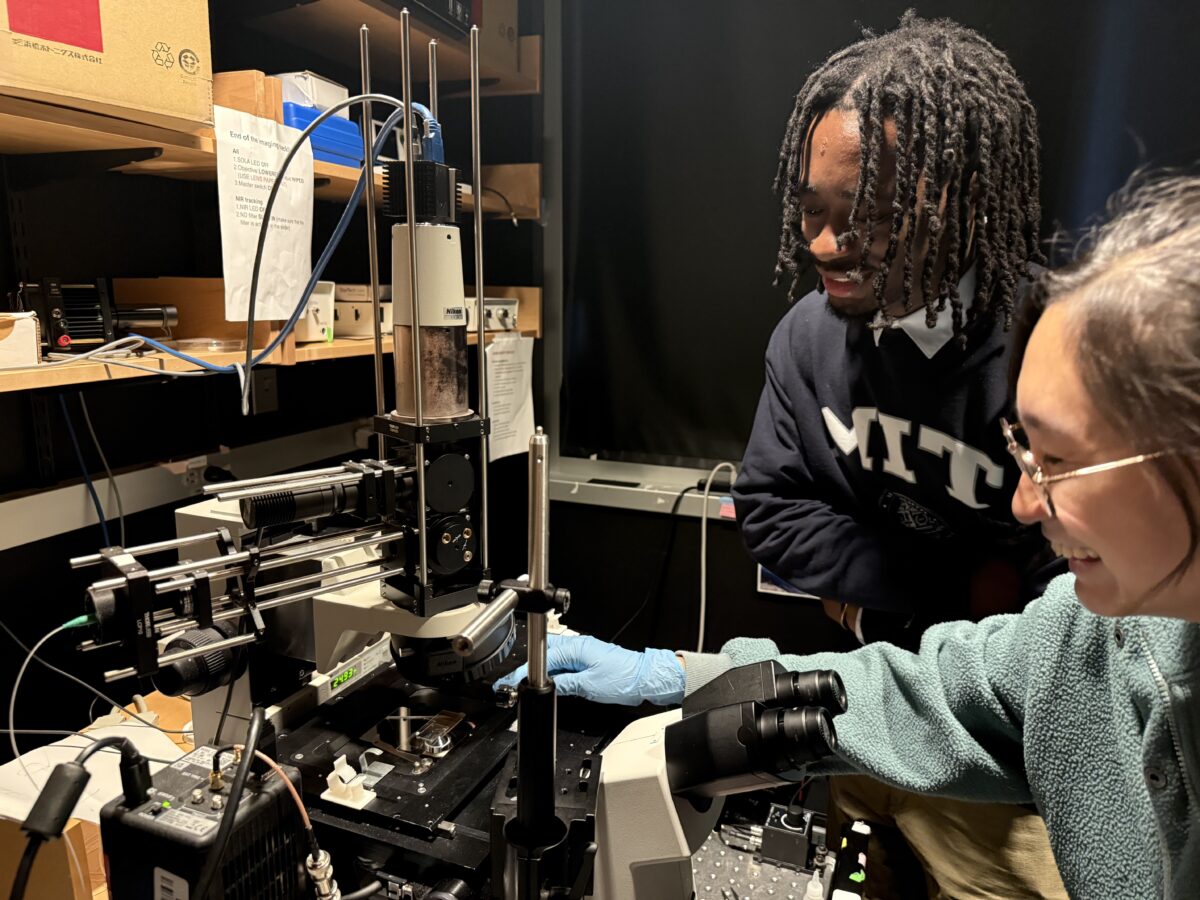
A National Academy of Sciences member and longtime Howard Hughes Medical Institute investigator, Summers uses powerful magnets and radio waves to map the 3D shapes of HIV proteins and RNA, in a technique called nuclear magnetic resonance (NMR) spectroscopy. His lab’s insights into how viruses build themselves have opened new avenues for potential therapies. Summers has also mentored a diverse generation of scientists, like Cech Fellow Aryan Srivastava, NSF Graduate Research Fellow Lesley Hernandez, chronic illness advocate Jamie Miller, and Spelman College faculty member Janae Baptiste Brown.
The Silicon Scientist—How Digital Twins Are Accelerating Science
Karuna Pande Joshi, M.S. ’99, Ph.D. ’12, Computer Science, Professor of Information Systems and Director, Center for Accelerated Real Time Analytics

Joshi leads research in data science, cloud computing, and digital twins—virtual replicas of physical systems that can accelerate discovery. Her recent work, funded by the National Science Foundation, applies these tools to neurodegenerative disease imaging. She and colleagues are creating models that help researchers audit and refine AI predictions.
Catch up: UMBC researchers to study digital twinning technology, AI use in neurodegenerative diseases with NSF grant and UMBC expands its next-generation tech analytics research with Phase II of the Center for Accelerated Real Time Analytics.
AI Designing Physical AI—Deep Learning to Create Smarter Sensors and Electronics
Soobum Lee, Professor of Mechanical Engineering
Lee develops energy-harvesting devices and AI-optimized sensors that turn ambient vibration into usable power. His work includes self-powered monitors for wind turbine blades, reducing maintenance costs and improving reliability in renewable energy systems.
Catch up: Sensing an opportunity to improve wind energy.


The Language of Human Movement—A Dance Between Minds and Machines
Ramana Vinjamuri, Associate Professor of Computer Science and Electrical Engineering and Director, NSF BRAIN IUCRC
Vinjamuri develops brain-machine interfaces, neuroprosthetics, and human-centered robotics aimed at restoring movement and managing stress. As director of the NSF BRAIN Center at UMBC, he collaborates across disciplines to create safer, more personalized neurotechnologies.
Catch up: Strange dance partners, UMBC joins BRAIN Center to advance innovations in neurotechnologies, and 2025 leading brain researchers and engineers converge on UMBC campus
The Spirituality of Ice Cream—Lessons from the Road Less Traveled
John Williams ’04, Financial Economics, Owner, Good Karma Creamery
Williams, a financial economics alumnus, left a high-pressure career at T. Rowe Price to build Good Karma Creamery, a small-batch Maryland operation whose inventive flavors routinely sell out in minutes. His talk blends entrepreneurship, creativity, and the joy of following a passion project to unexpected success.
Catch up: Following the siren’s call to the food and beverage industry

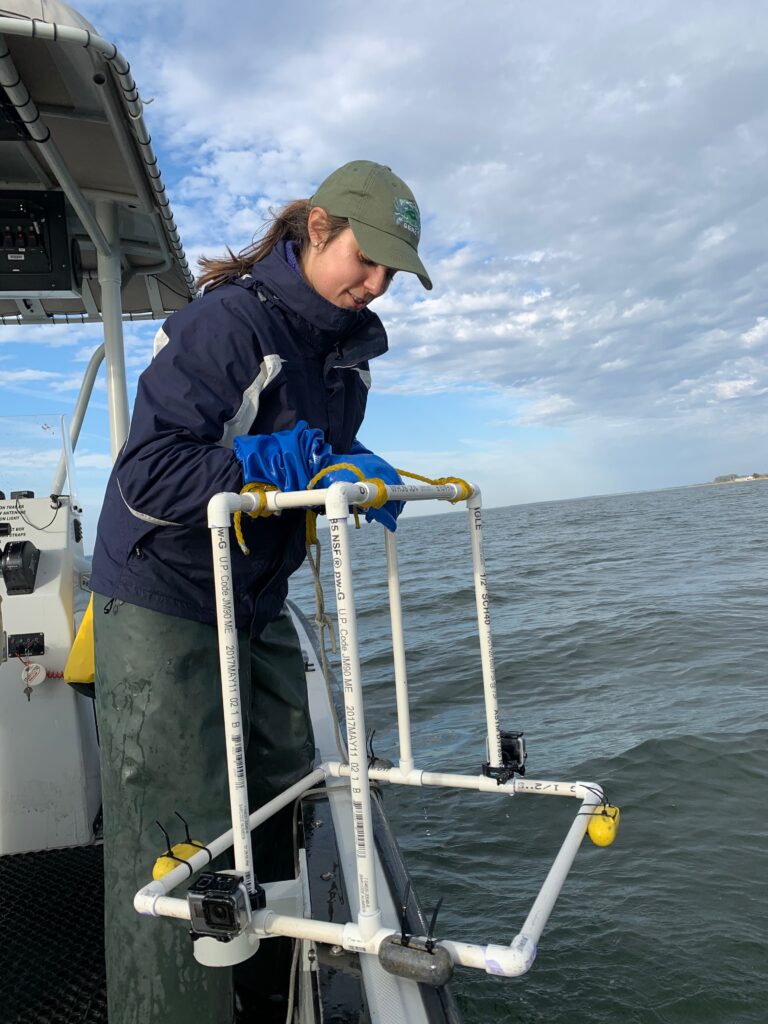
Their World Is an Oyster—The Impact of Microbes and Parasites on Shellfish Health
Allison Tracy, Assistant Professor of Marine Biotechnology
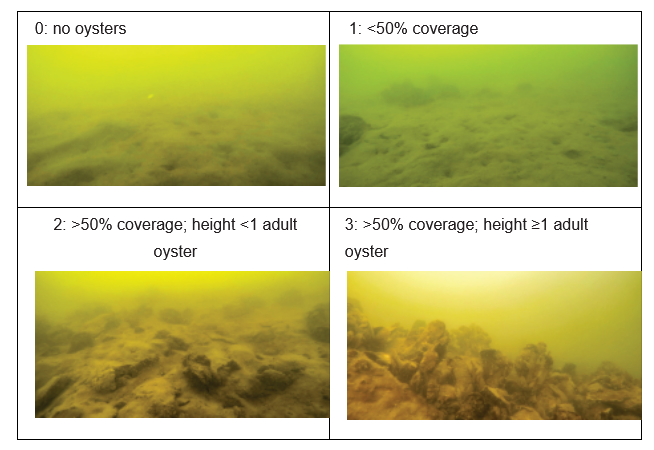
Tracy studies host-parasite interactions, microbiomes, and disease dynamics in Chesapeake Bay oysters and other species critical to the ecosystem. Her research connects environmental change to shellfish health, producing insights that inform policies to support more resilient fisheries, aquaculture, and habitat restoration.
Catch up: Long-term oyster reef restoration shows clear success in murky waters and Underwater cameras facilitate large-scale study of oyster reef habitat in Chesapeake Bay
Retrieving History—Collective Memories of UMBC’s Founding Four Classes
Mimi Dietrich ’70, American Studies; Bob Dietrich ’70, Biological Sciences; Diane Tichnell ’70, Political Science; Dale Gough ’70, American Studies
These alumni from UMBC’s earliest graduating class co-edited the oral-history collection This Belongs to Us, recovering the pioneer spirit, community-building, and even plywood sidewalks present in the university’s first years. Their talk invites audiences to reconnect with the people who helped shape UMBC from the ground up.
Catch up: UMBC belongs to all of us, Meet a Retriever—Diane Tichnell ’70, Stitching her story.




![A humanoid robot walks through the UMBC campus while students observe and take photos [mathematical tools]](https://umbc.edu/wp-content/uploads/2026/09/strange-dance-partners-dance-robotics-0058-1200x800.jpg)