We use cookies for analytics and, unless you opt out, advertising.
You can opt out of advertising at any time.UMBC uses essential cookies to run this site. With your permission we would also use analytics cookies (to understand how the site is used) and advertising cookies (to measure and target our ads on other platforms). Nothing else loads unless you accept. You can change your choice any time from Cookie Settings in the footer.Privacy Policy
EssentialRequired for the site to work (login, security, your cookie choice). Always on.
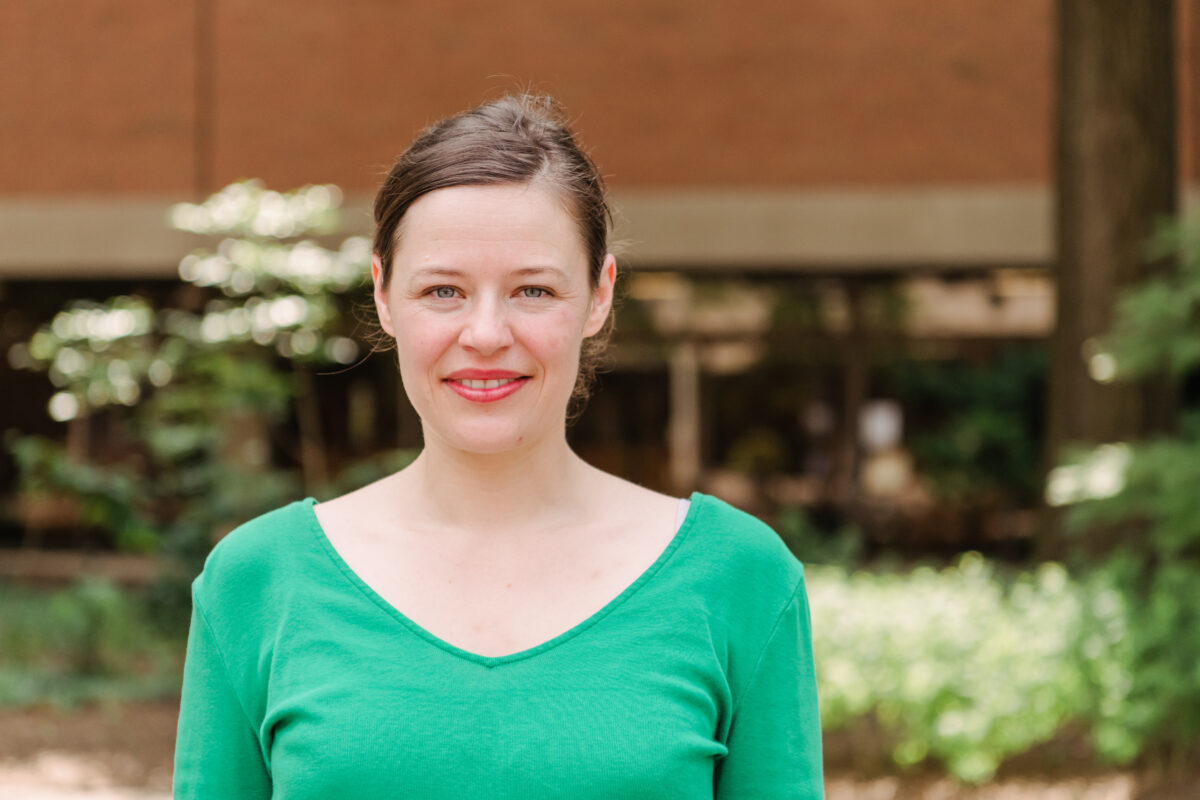
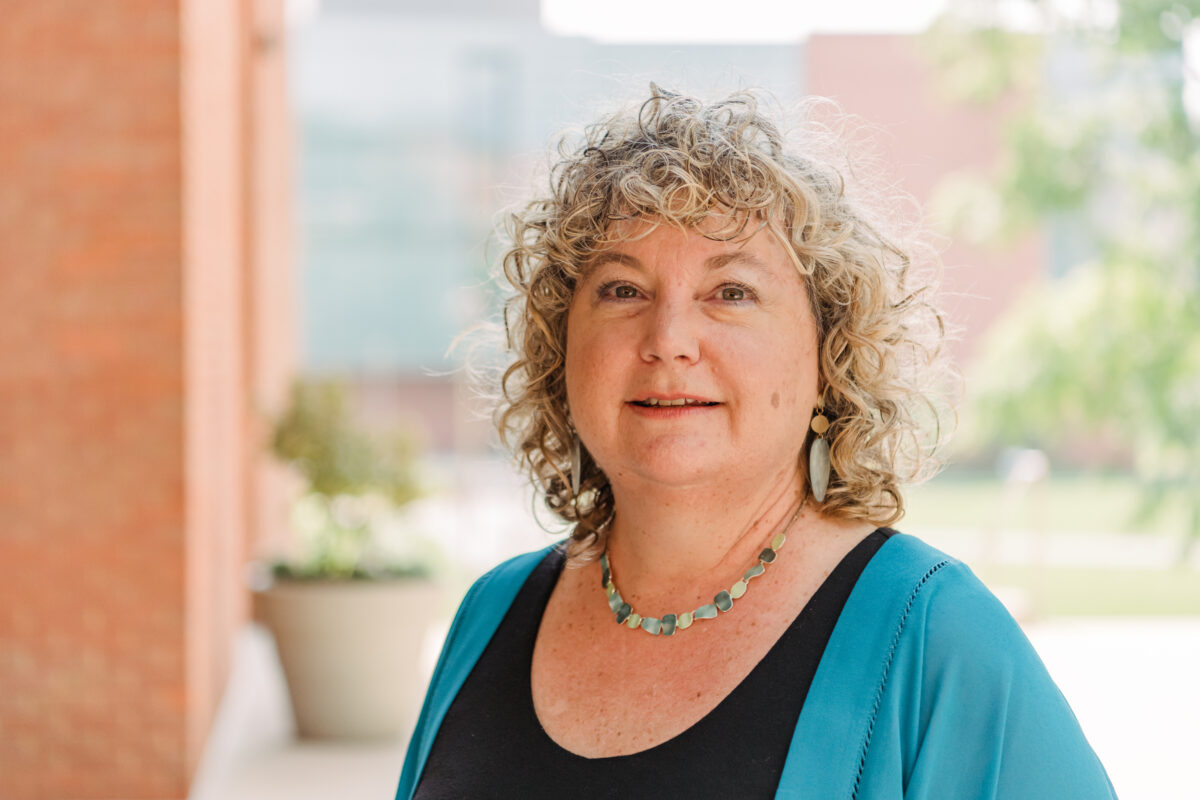
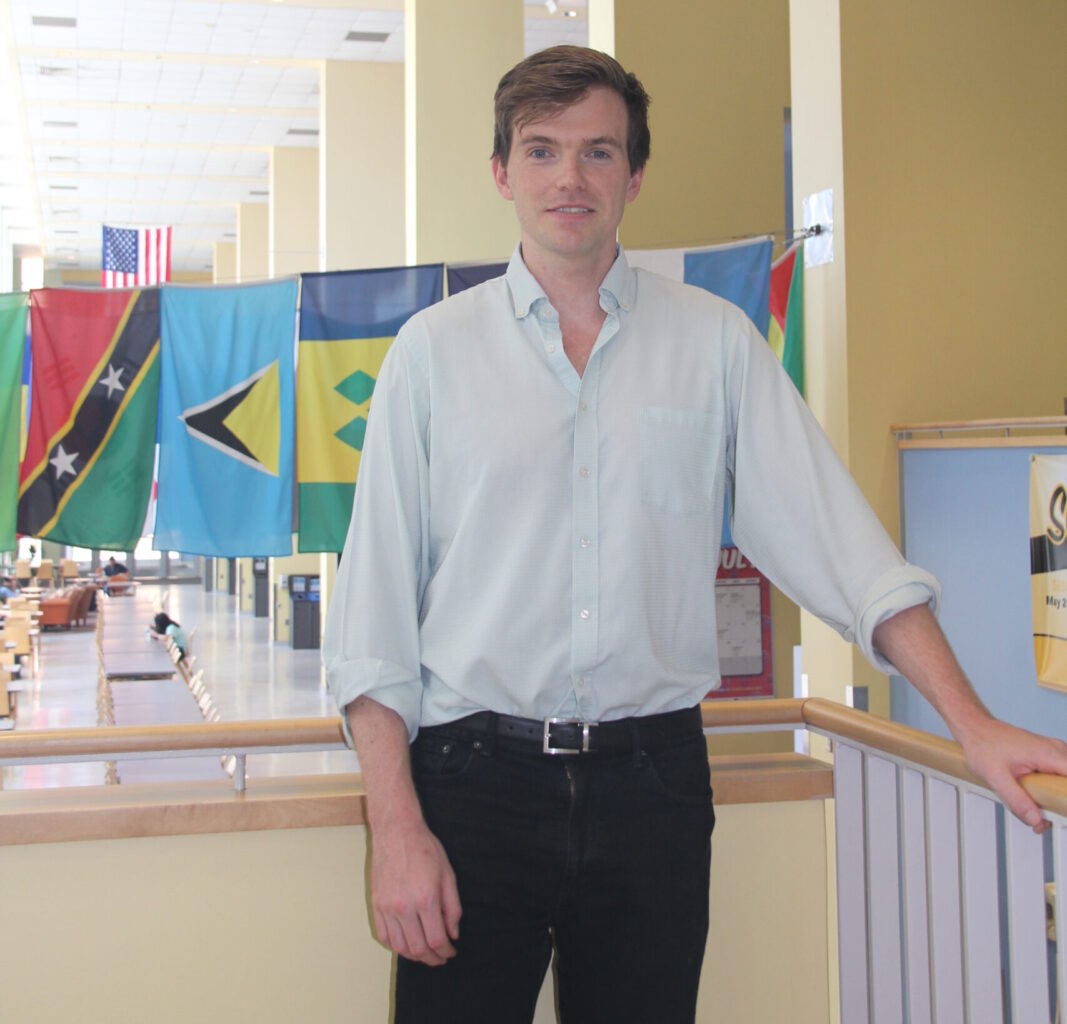
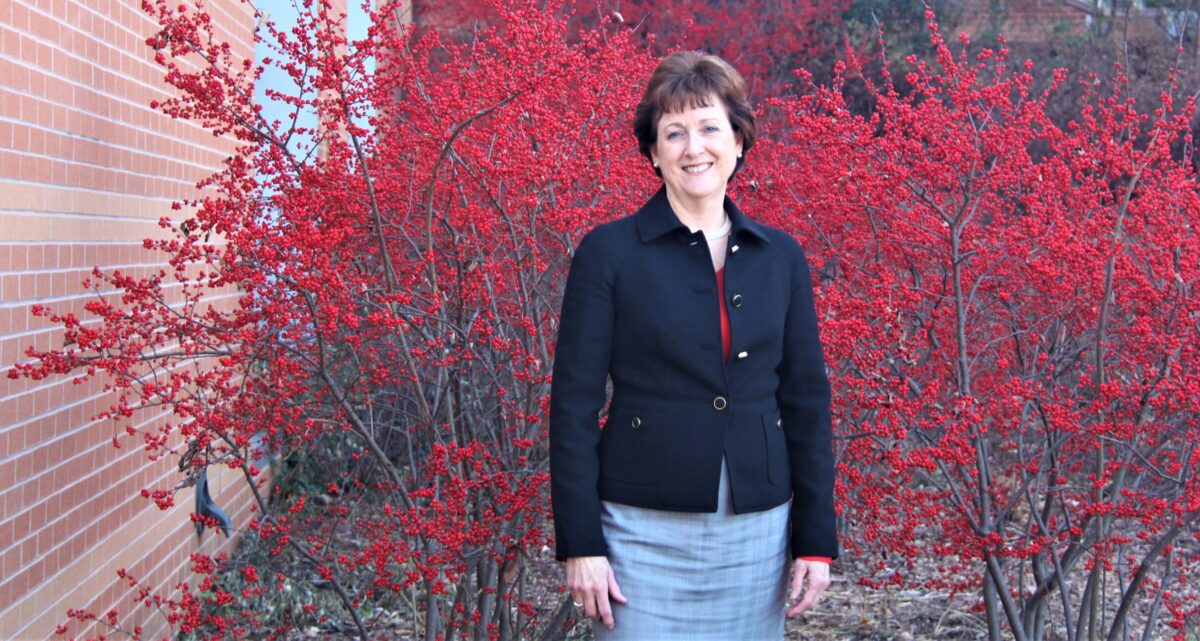
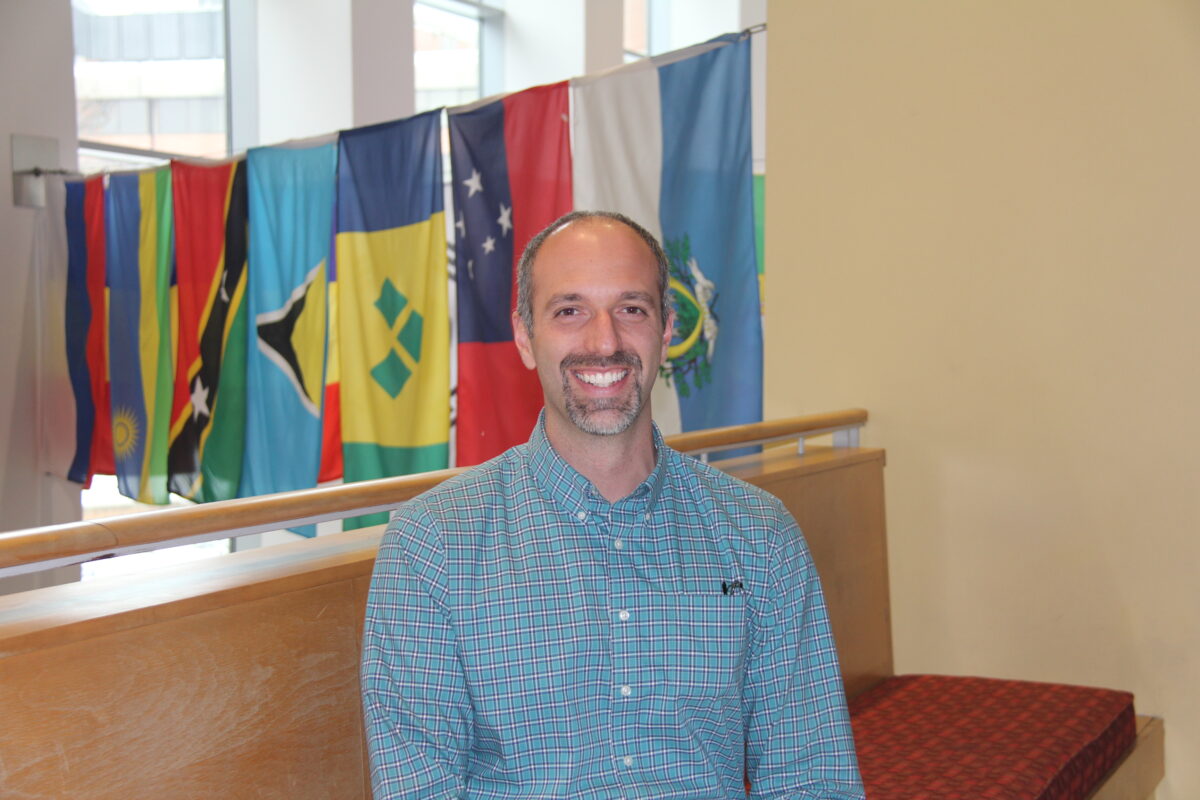
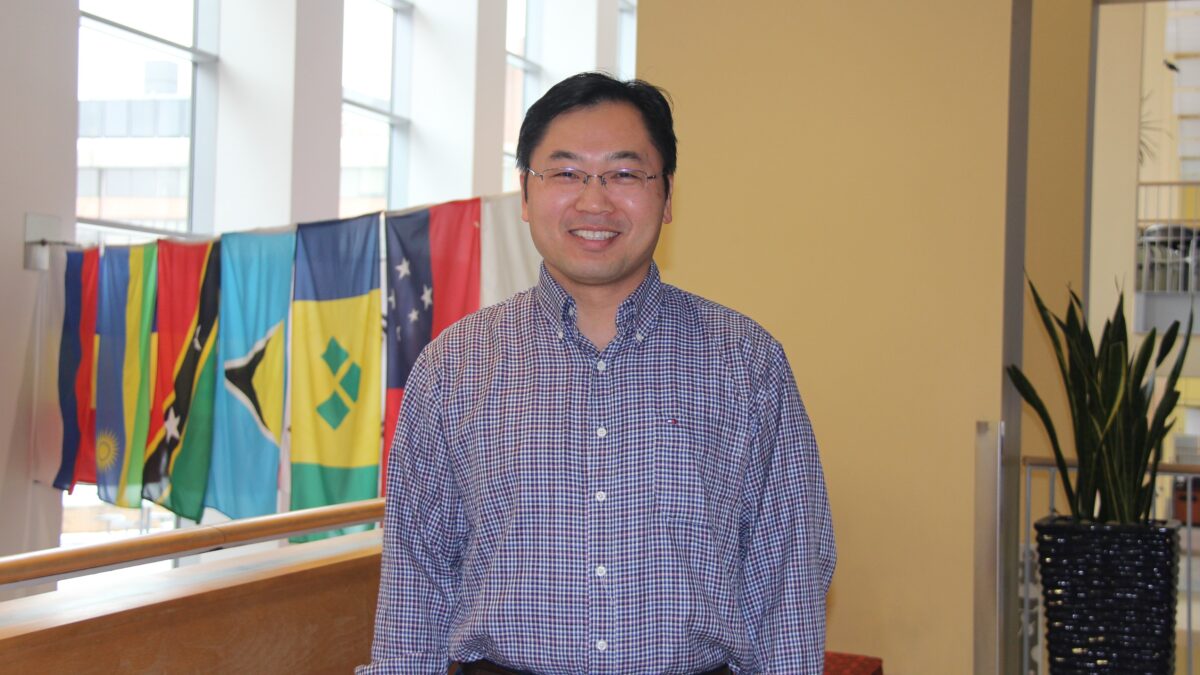
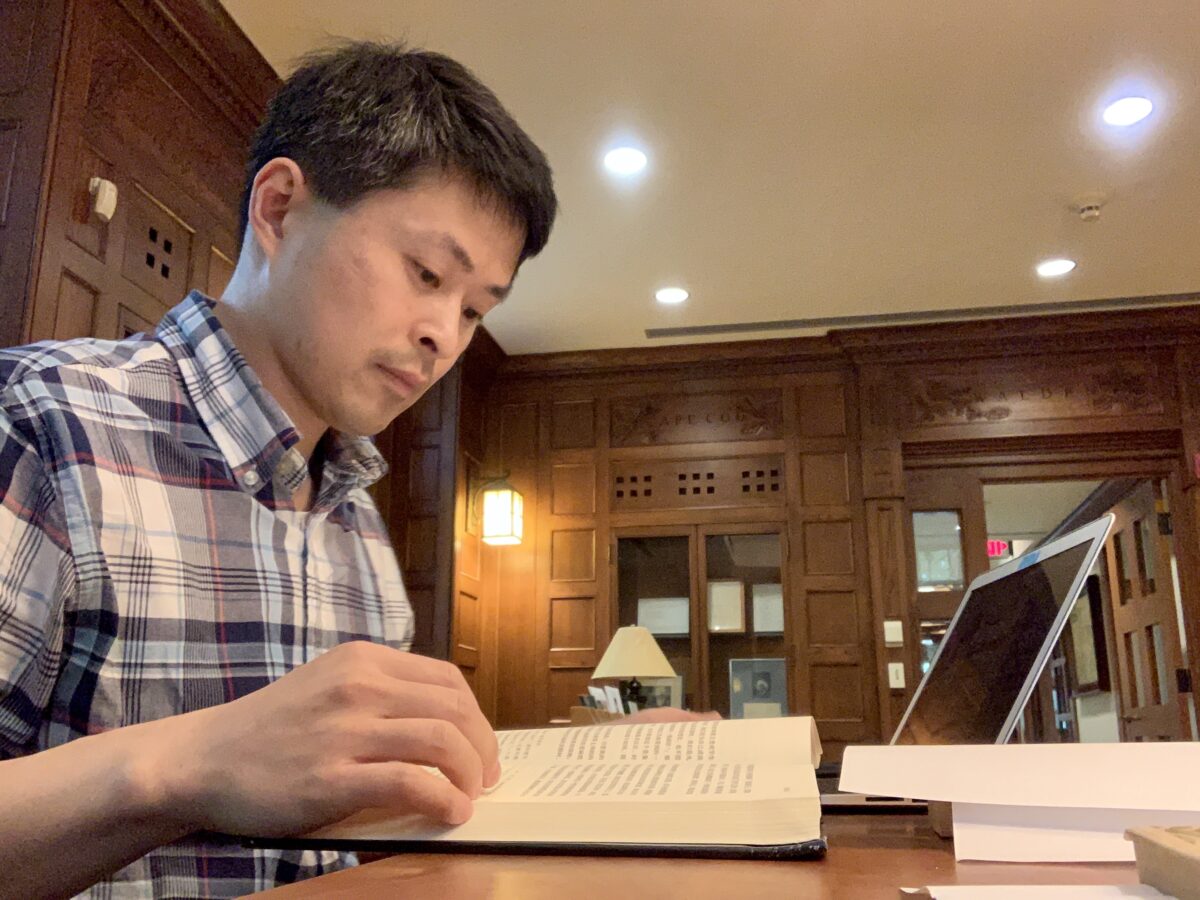
The National Endowment for the Humanities (NEH) has announced that George Derek Musgrove ‘97, associate professor of history, and Elizabeth Patton, associate professor of media and communication studies, have received the highly competitive 2023 NEH fellowship.
Only 70 scholars out of 1,029 applicants nationwide received the coveted fellowship this year. The one-year award supports individual scholars pursuing projects that embody exceptional humanistic research, rigorous analysis, and clear writing. Each scholar will receive $60,000 to support a current book project. Musgrove and Patton have received multiple fellowships supporting their prior and current work, affirming the importance of their scholarship.
Black political and cultural mobilizations
Musgrove, a 2022 Andrew Carnegie fellow, will be working on “We must take to the streets again:” The Black Power Resurgencein Conservative America, 1980–1997. The book aims to provide an in-depth history of the years between the Civil Rights movement and today’s Black Lives Matter movement. This new work will also further Musgrove’s highly acclaimed research on African American history in the nation’s capital, completed over the past decade.
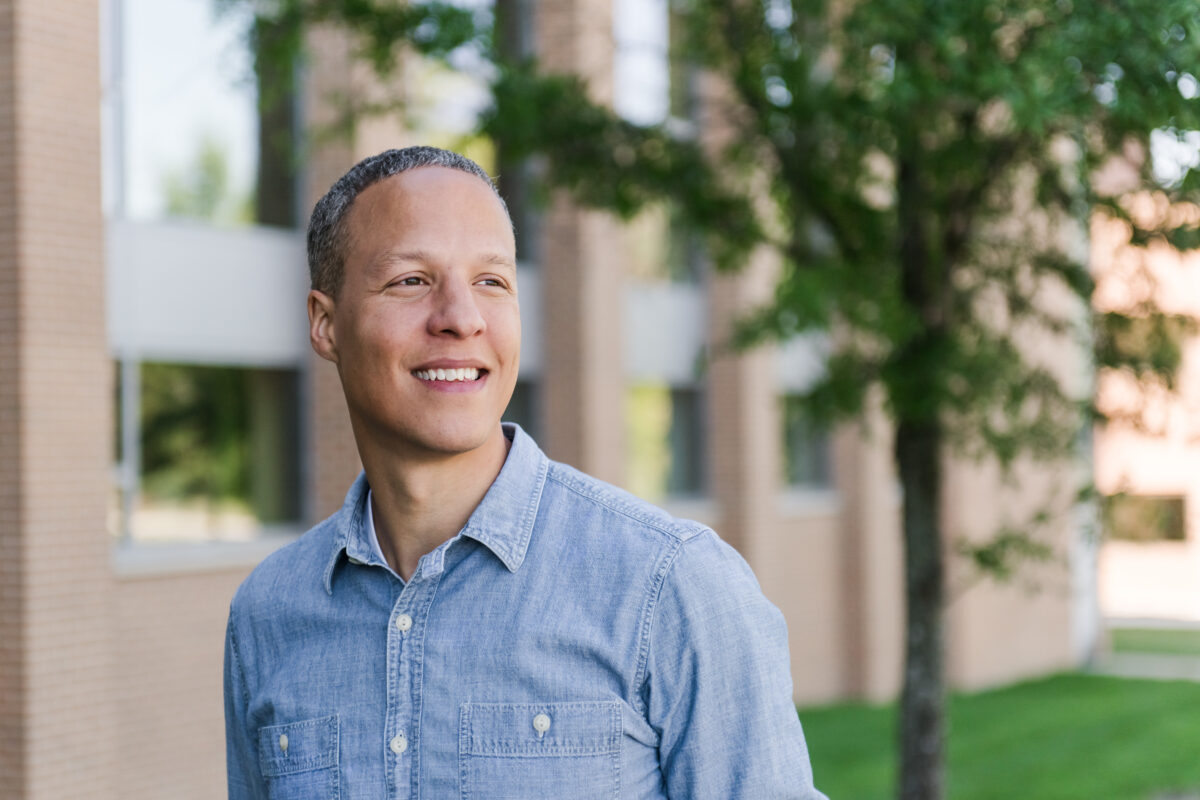
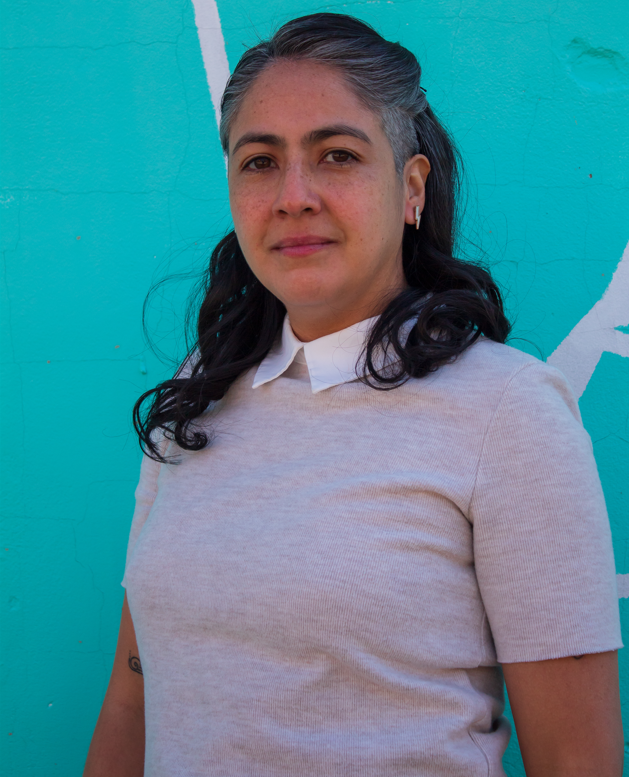
Derek Musgrove. (Marlayna Demond ’11/UMBC)
“The NEH Fellowship is one of the most prestigious awards granted in the humanities and I am honored that the selection committee deemed my forthcoming project worthy of support,” shares Musgrove. “That I was selected is a testament to my colleagues in the history department and Rachel Brubaker, who encouraged me to apply and shared essential feedback. UMBC’s generous, collaborative culture allows those of us who are lucky enough to work here to do amazing things.”
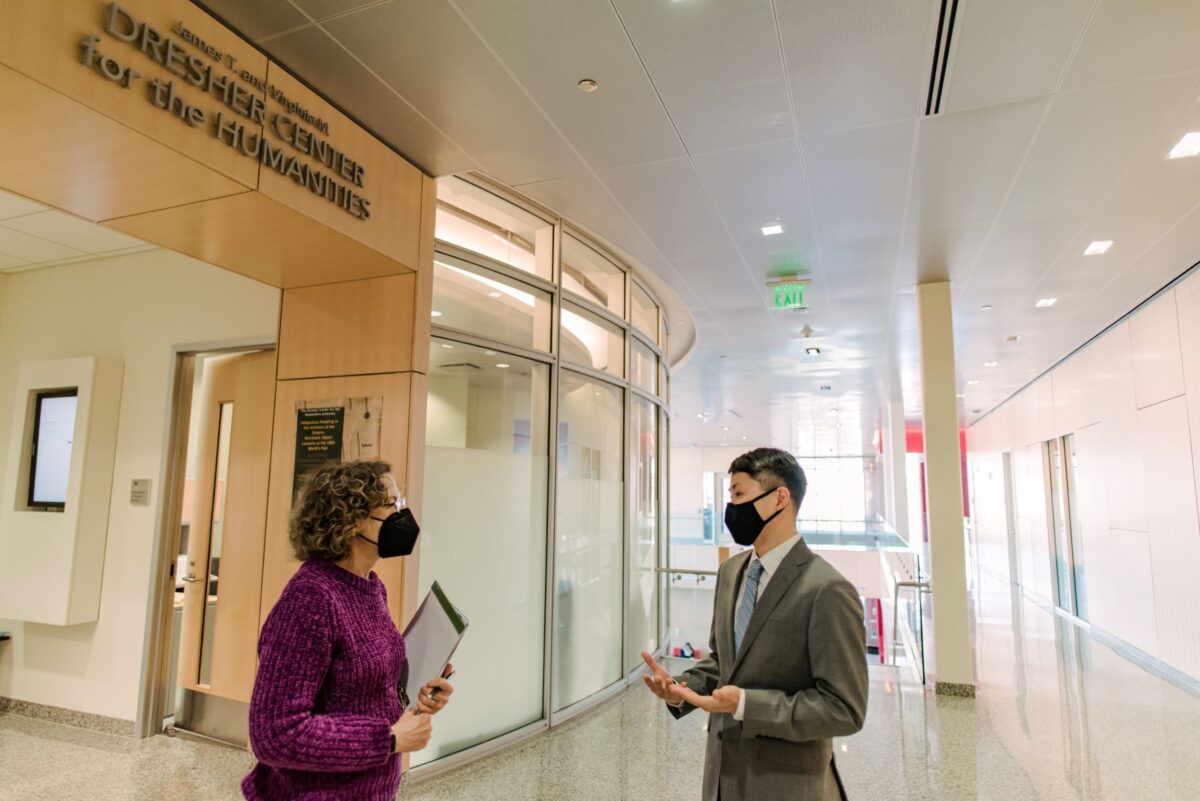
UMBC’s Dresher Center for the Humanities provides key support to faculty engaging in major scholarly and public projects. Rachel Brubaker, director of program administration at the Dresher Center, works with faculty one on one to identify and successfully apply for research funding.
After receiving the Carnegie Fellowship, Musgrove shared that the support his scholarship has garnered is “a powerful endorsement of the importance of exploring the Black political and cultural mobilizations of the 1980s and ‘90s.” He noted, “We continue to live in the world those activists helped make and to fight the battles that those activists fought.”
Black leisure and tourism
Patton, who was also a 2022 NEH summer fellow, will advance research for her forthcoming book Representation as a Form of Resistance: Documenting African American Spaces of Leisure during the Jim Crow Era. The book will examine the history of Black leisure and tourism in the U.S. through the perspective of photography and home movies. She seeks to put into context lingering forms of racism that still affect Black tourism on platforms like Airbnb.
“I have found hundreds of examples of spaces where there is a history of people of color using those spaces, desegregating those spaces, or creating their own spaces for leisure and travel,” Patton said, after receiving her 2022 NEH summer fellowship. “These rich data sources will help me tell the invisible history of African American leisure through historical methods, discourse analysis, semiotics, and oral history.”
Humanities at work
Preminda Jacob, associate professor of visual arts and associate dean of the College of Arts, Humanities, and Social Sciences is thrilled the NEH continues to support UMBC’s leading humanities research. “Humanities scholarship at UMBC pursues the why and how of our past, present, and future with painstaking rigor,” says Jacob. “The NEH fellowship acknowledges our faculty’s innovative and relentless pursuit of answers to these questions.”
Musgrove and Patton join several previous UMBC NEH Fellows. A few of the university’s prior recipients include Anne Sarah Rubin, professor of history; Susan McDonough, associate professor of history; and Whitney Schwab, associate professor of philosophy.
UMBC faculty are leading interdisciplinary, community-engaged immigration research that is shifting the relationship between higher education institutions and immigrant communities. Their approaches include centering the economic, academic, social, and cultural contributions of immigrants to the well-being of U.S. cities. This scholarship challenges stereotypes and also works to dismantle systemic racism in higher education.
In 2020, New York Times reported that U.S.-born children of immigrants or immigrant students raised in the U.S. accounted for nearly 60 percent of the growth in U.S. university enrollment since 2000. The majority of these students are the children of international students from India who stayed in the U.S. to work, and the children of Latin Americans, and refugees who came to the U.S. in search of better living conditions.
Felipe Filomeno, associate professor of political science and global studies, and associate director of the Center for Social Science Scholarship, and Christopher Brown, a global studies lecturer, explore how immigrant students can be an asset to higher education with their study “Immigrant Students and Global Education.”
Filomeno and Brown designed a collaborative, project-based undergraduate course to study the intercultural experiences of immigrant students at UMBC. Students developed the ability to collect and analyze qualitative data and empathy for immigrants as they learned about diverse peer experiences. The study determined that project-based assignments designed to take advantage of immigrant students’ intercultural experiences could yield significant contributions to the global education of immigrant and non-immigrant students alike.
“It is important that there are such stellar colleagues committed to the vital work of exploring the realities, lived experiences, and challenges of our immigrant communities,” says Kimberly R. Moffitt, dean of the College of Arts, Humanities, and Social Sciences. “We can only thrive as a society by supporting and working together with all members of our community and recognizing their contributions to a global society.”
Digital storytelling for education and advocacy
Several of UMBC’s community-engaged researchers use digital storytelling to shift the focus away from the researcher creating information toward information being created by the community. One such project is “Intercultural Tales: Learning with Maryland’s Immigrant Communities,” developed by Thania Muñoz Davaslıoğlu, assistant professor of modern languages, linguistics, and intercultural communication (MLLI), and Tania Lizarazo, associate professor of MLLI and global studies.
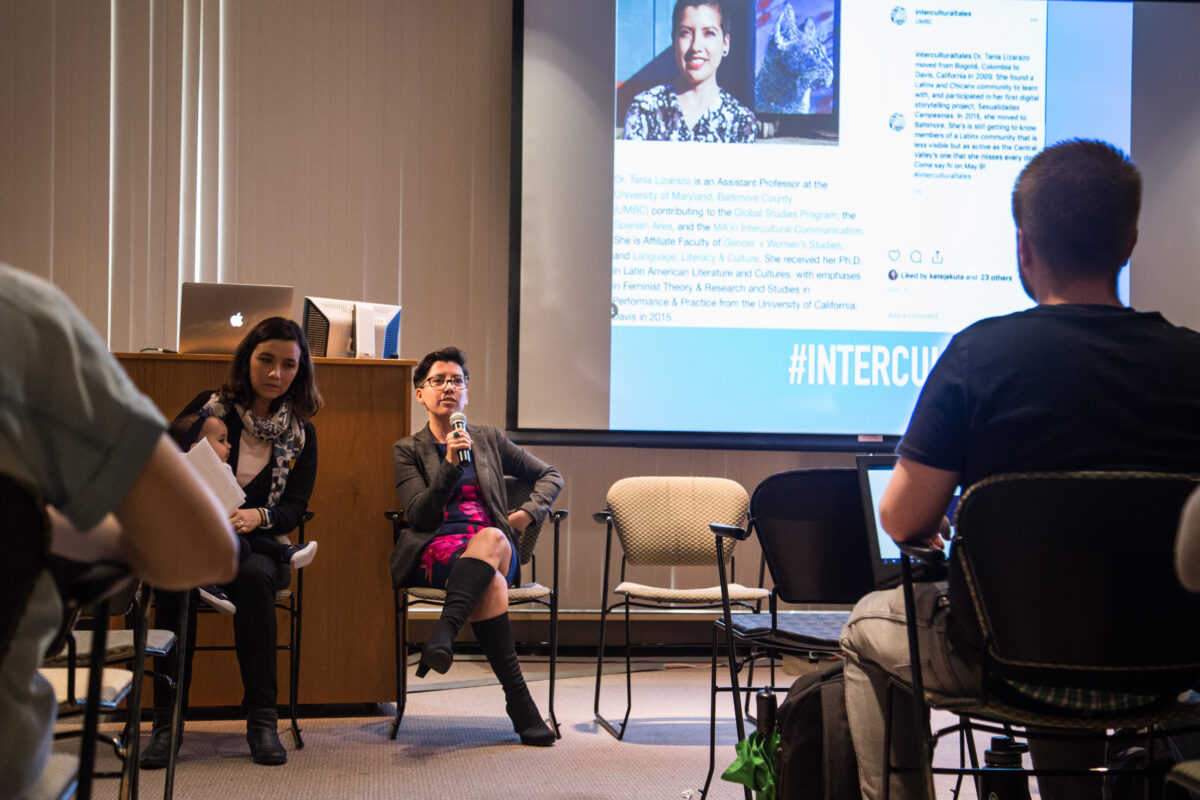
Tania Lizarazo speaking at Intercultural Tales with Thania Muñoz. Photo by Rachel Wallace
This project approaches digital storytelling from a feminist lens where non-academic knowledge such as lived experience is considered equally valuable in teaching and research. “Our project is informed by feminist theory and the field of critical intercultural communication in which power structures and hierarchies are emphasized when thinking about communication,” says Lizarazo, “Intercultural Tales is shaped by all of these fields/practices to facilitate (not guarantee) a more nuanced understanding of immigration as part of UMBC (instead of outside of it).”
This project, now in its third year, brings together students studying Spanish or global studies to produce digital stories of immigrant experiences with the goal of countering stereotypes. In one of the digital stories, “Pack Your Bag,” Heejin Hong ’18, MLLI, speaks of her parents’ transition from Korea to Paraguay, her time living in Brazil, moving to Mexico, and eventually settling in the U.S.
“My parents were first-generation immigrants from South Korea to Paraguay, where I was born. Their life as immigrants was not easy. They worked day and night to support our family,” Hong shared. “They constantly moved to other cities and countries looking for work. When I was little, I moved to Brazil to be with my grandparents because my parents had to work. Brazil was my first experience with immigration and learning a new language, new places, new food, and new cultures.”
She continued, “I have now been living in the U.S. for more than ten years. I used to see all of the changes that made me grow up quickly and think of what I didn’t have. Now, I realize that I gained something greater: courage, independence, patience, a positive outlook, not to lament, and to keep moving forward.”
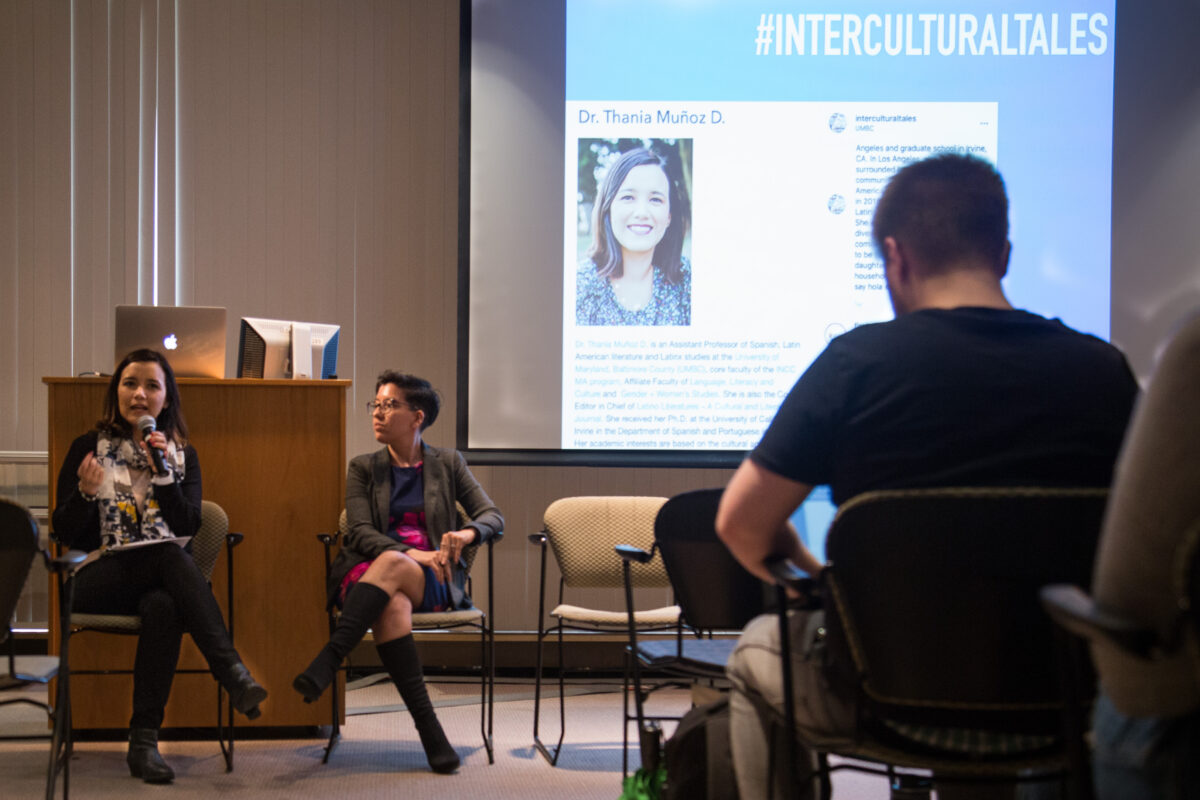
Thania Muñoz speaking about Intercultural Tales with Tania Lizarazo. Photo by Rachel Wallace.
Muñoz notes the findings, which were published in the Journal of Community Engagement and Higher Education, show the process of sharing and valuing knowledge through the project in some cases enabled the students to reframe fear, confusion, and shame through a new lens that revealed feelings of pride, solidarity, and insight.
“Most students had a more nuanced understanding of immigration,” says Lizarazo, “and a renewed appreciation for their classmate’s knowledge, which, in turn, shaped a less hierarchical learning space.”
Community-building through digital storytelling
Lizarazo also collaborated with local immigrant women to create “Moving Stories: Latinas en Baltimore.” The digital storytelling archive visualizes the immigrant experience from the perspective of Latinas in Baltimore. It aims to dispel stereotypes and share the diversity of their experiences.
Camila Daniel shared her experience of being a Black-Brazilian Latina living in Baltimore in her digital story “When Baltimore Became My Home.”
“In 2006 when I came to Baltimore, I lived the experience of what it means to be Black and Latina at the same time in a country that expects people to be only of one race. When people saw me with my accent, my hair, and my Black skin, they assumed I was African American. Many of the Brazilians were white. I didn’t feel I fit in anywhere. I suffered a lot,” says Daniel.
She continues, “Now, I feel it was good for me to come to Baltimore, live in a predominantly Black city, and learn from Black people what it is to have pride in how you look and your history. At the same time, with Spanish and Baltimore, I have created a family that does not have my blood or nationality but one heart.”
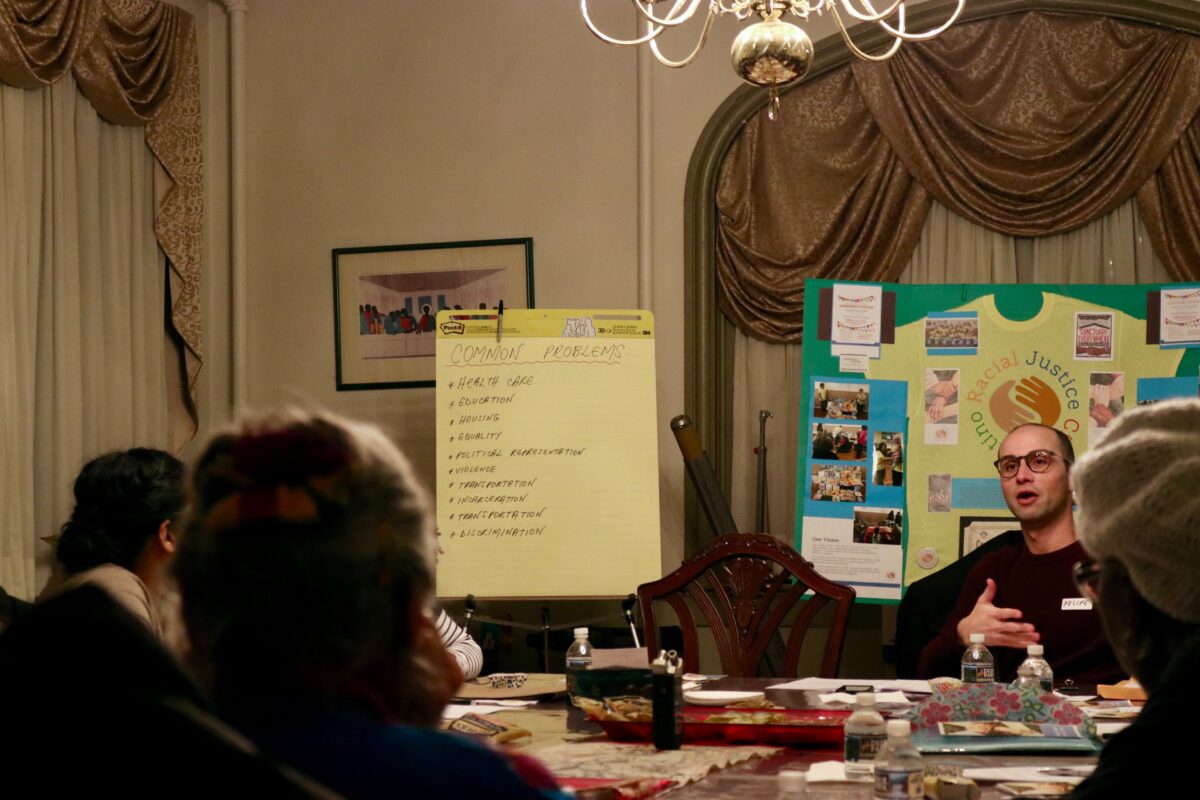
Filomeno leads a discussion with Baltimore’s Latino Racial Justice Circle. Photo courtesy of Filomeno.
Since 2017, Lizarazo and Filomeno have also worked in partnership with Baltimore’s Latino Racial Justice Circle to develop, design, execute, evaluate, and share the “Honest Conversations on Immigration” project. Through dialogue, and digital storytelling, the program fosters conversations between U.S.-born citizens and immigrants that share faith-based spaces but rarely engage in dialogue. Since 2019, about 85 members of 15 congregations have participated.
“Our goal as researchers is to use dialogue and digital stories as ways to bring different communities together around religion, race, and immigration,” explains Filomeno. “Through that process, we hope to create the potential to change the relationships among individuals, and between communities and society for the better.”
Baltimore’s immigration policies
Filomeno last year received the Hispanic Heritage Award from Baltimore Mayor Brandon Scott in recognition of his work facilitating dialogue as well as an earlier comprehensive assessment of Baltimore’s immigration policies. The study “Baltimore’s Policies to Attract and Retain Immigrants: A Community-Engaged Evaluation” was critical in shaping the strategic vision of the Mayor’s Office of Immigrant Affairs. It built on a prior study in which Filomeno reviewed Baltimore’s economic development, multicultural, and law enforcement policies, collaboration with civil society, and policy advocacy.
“In all these studies, I have engaged local groups and organizations in the creation of knowledge about immigration and the application of this knowledge to help solve real-world problems,” says Filomeno. “This research has helped a local government trying to encourage the city’s growth through immigration, a faith community trying to build connections between congregants of different nationalities, and a university trying to leverage student diversity of national origin to promote global learning. As we say at UMBC, it is public research for public good.”
Documenting places of belonging and meaning
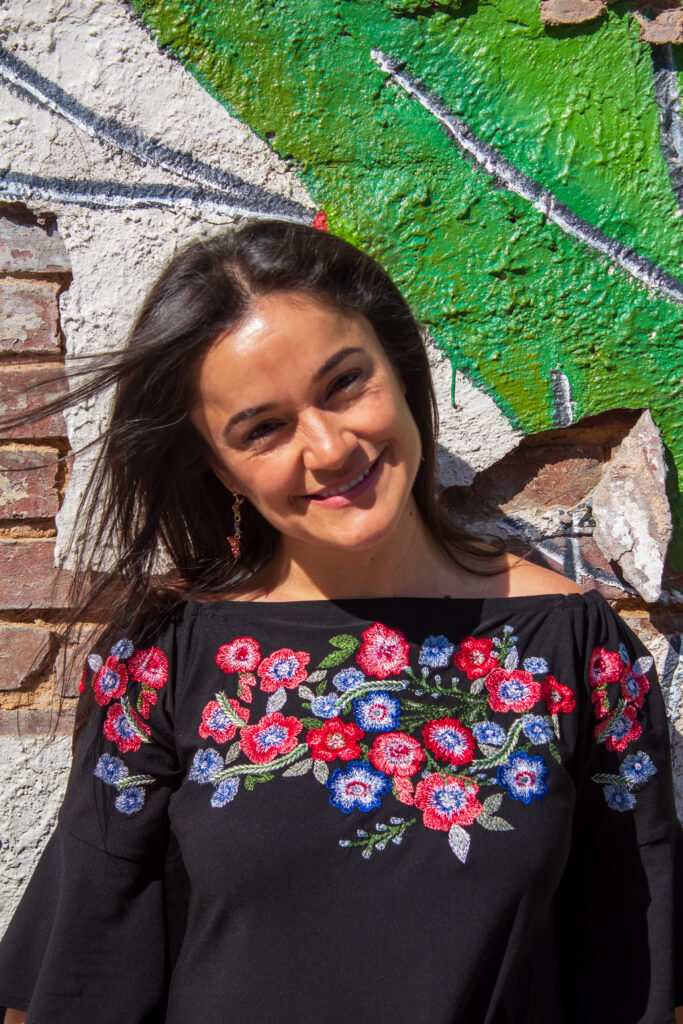
Headshot courtesy of Yolanda Valencia.
Beyond Maryland, Yolanda Valencia, assistant professor of geography and environmental systems, explores the Mexican immigrant community of Pasco, Washington, and how this community creates places of peace, tranquility, and family—places of belonging and meaning—under disadvantaged conditions. In the forthcoming book Relational Life: Legal Death, Valencia draws on years of fieldwork in Pasco, transnational ethnography, archival research, interviews with city leaders, and testimonies from undocumented Mexican immigrants.
“I aim to provide a historical political economy analysis of geographies of oppression overlaid with an analysis of spaces where this community thrives, as they both happen simultaneously across scale, time, and border,” says Valencia.
This year, Valencia received a 12-month Career Enhancement Fellowship, funded by the Mellon Foundation and administered by the Institute for Citizens and Scholars. She was also selected as a 2020 – 2022 Summer Institute on Tenure and Professional Advancement (SITPA) scholar. The mentoring and professional initiative is designed to facilitate junior faculty members’ successful transition to tenured associate professor status.
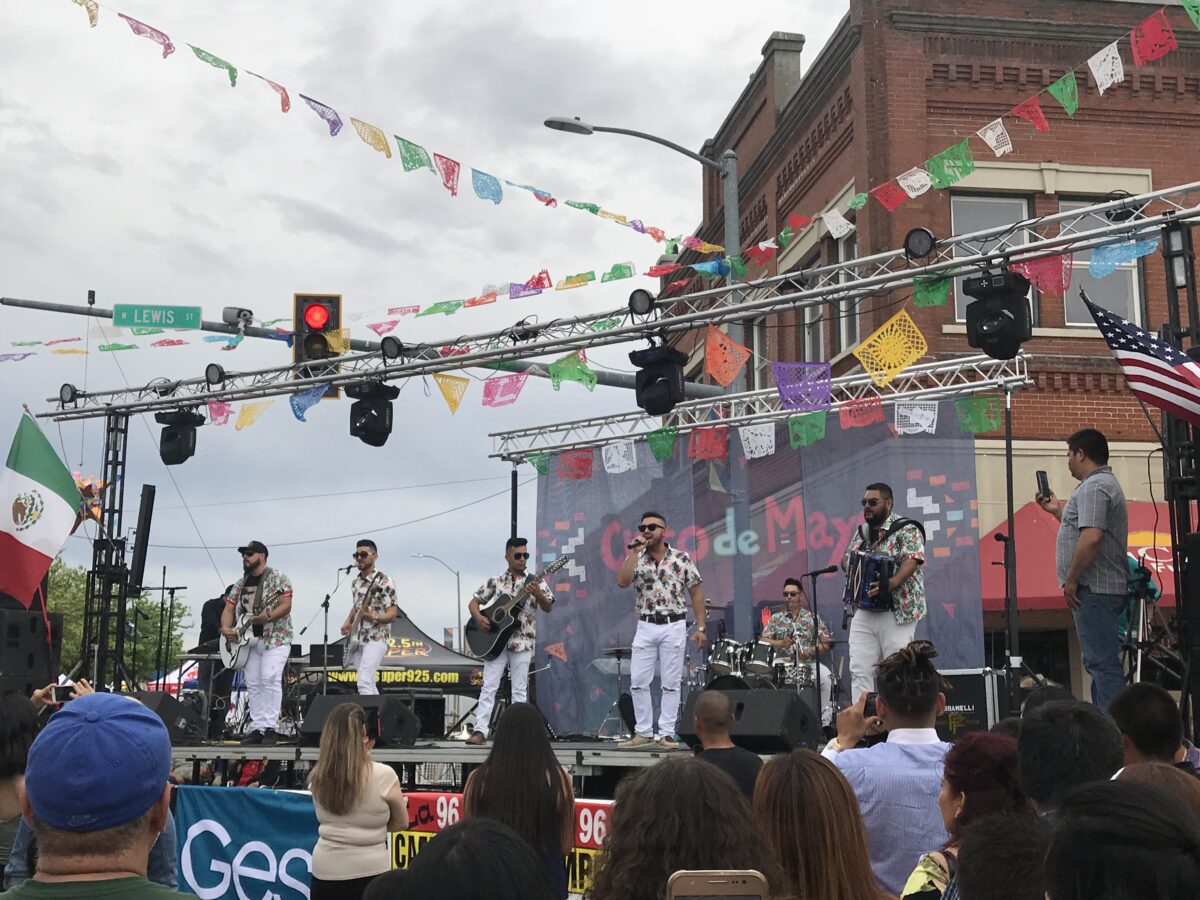
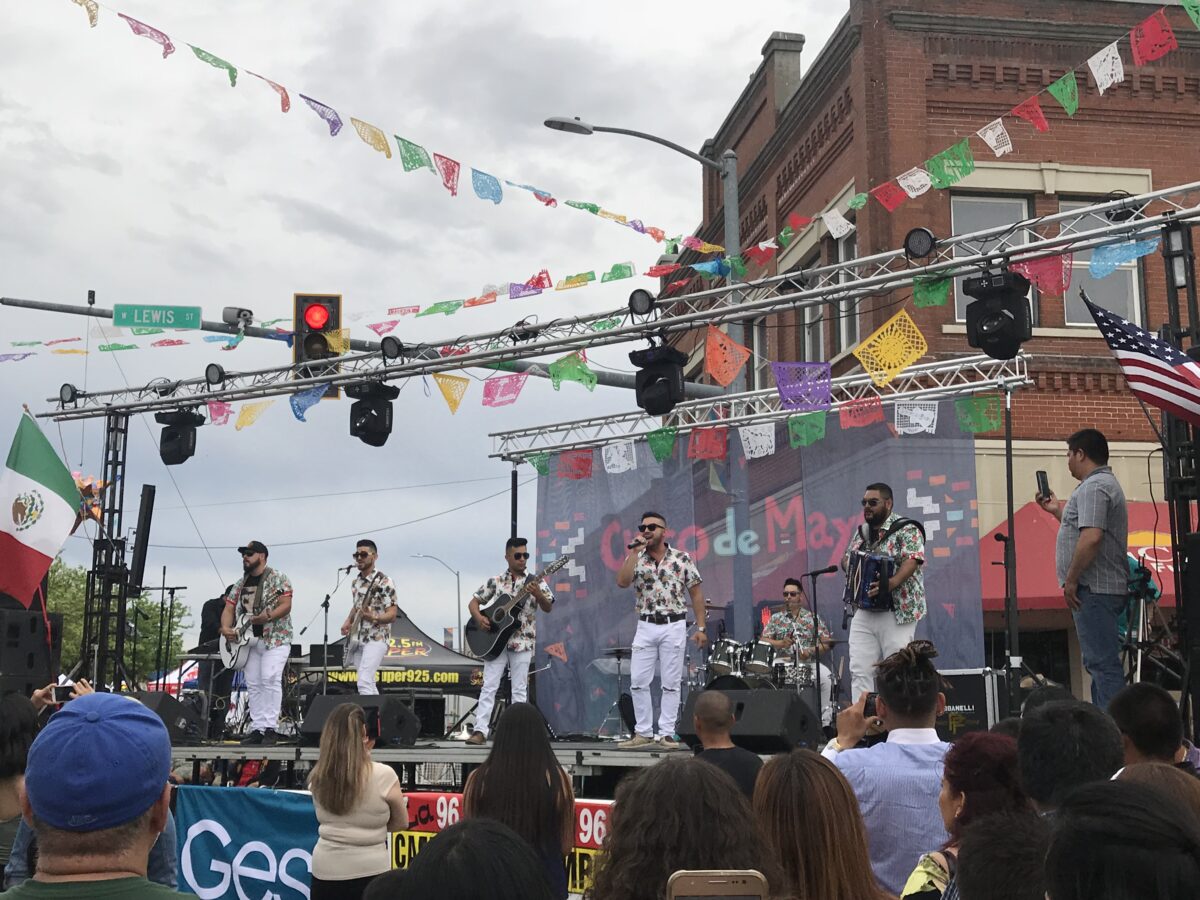
This Cinco de Mayo event in Pasco features second-generation Mexican immigrant musicians who have learned how to play, sing, and love traditional Mexican (and Latinx) music. Photo courtesy of Valencia.
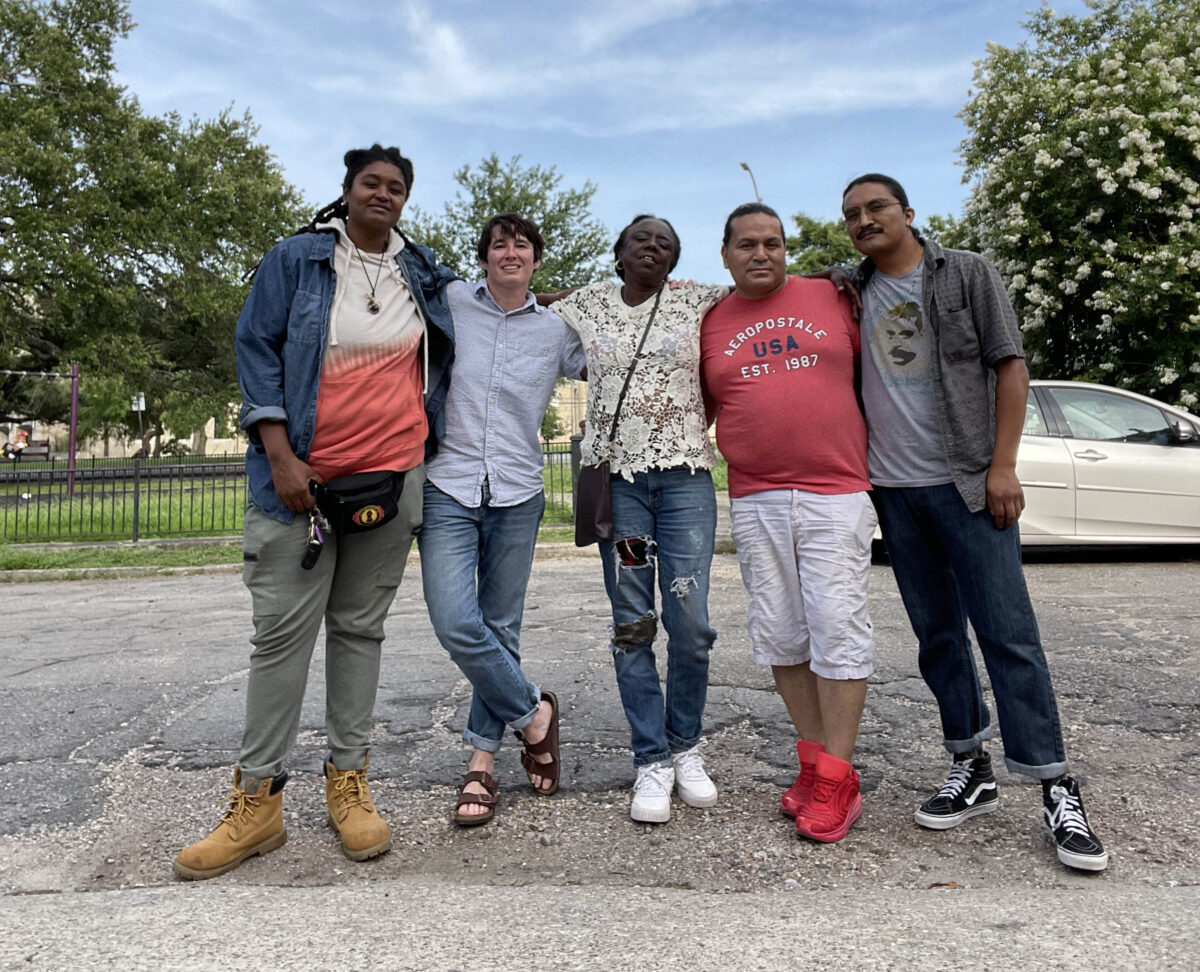
Another faculty member has been highly engaged with immigrant communities in New Orleans. The success of taco trucks and Soul Food pop-ups there have raised complex questions about food truck regulation, worker rights, and immigration. The Whiting Foundation awarded a $50,000 Public Engagement Fellowship to Sarah Fouts, assistant professor of American studies, along with local New Orleans organizers Toya Ex Lewis and Fernando López, to implement “Project Neutral Grounds: At the Intersection of People, Street Food, and the Hustle.”
Lewis is the organizer of Project Hustle, born in New Orleans, and López is a Mexican-born documentarian. The three partners have worked together since 2013. Their latest collaboration will bring together Black, Brown, LGBTQ+, and immigrant food vendors in New Orleans to celebrate, share, and document their experiences and histories.
Left to right: Toya Ex Lewis, Sarah Fouts, community members, and Fernando Lopez. Photo courtesy of Fouts.
Challenging extractive research
This innovative research intentionally values the knowledge of immigrants and creates new ways for academics to think about primary sources. It highlights thriving communities and enables communication, personal reflection, and empathy while challenging systemic racism and the role of education and institutions in perpetuating inequalities.
“Recognizing each other’s humanity is not an abstract process. It requires a commitment to questioning pedagogies that reproduce the hierarchies we critique,” Muñoz Davaslıoğlu and Lizarazo explain. “Teaching and learning are inextricable from struggles against the dehumanization of immigrants and minorities.”
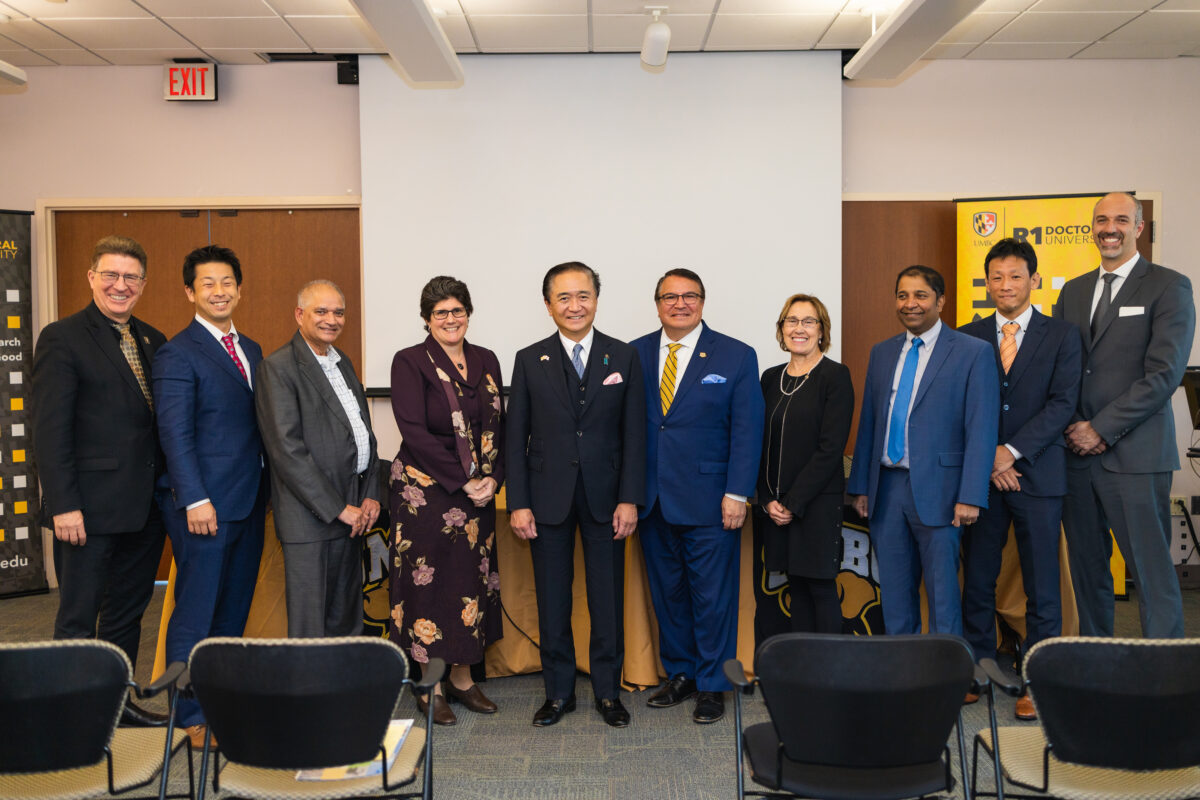
UMBC recently partnered with the government of Japan’s Kanagawa prefecture to host the seminar “New Frontiers in Healthcare Management,” examining innovative approaches to an aging society. The UMBC organizers included the department of sociology, anthropology, and public health (SAPH), Erickson School of Aging Studies, and doctoral program in gerontology. The event brought together researchers, government leaders, and practitioners to discuss leading practices and new research on the management of healthy aging in Kanagawa and in Maryland.
Speakers for the “New Frontiers in Healthcare Management” international seminar. (Photo by Kiirstn Pagan ’11)
Kanagawa has a population of over nine million people and is known as a “super-aging society,” with the largest aging population in the world and the highest number of centenarians. In 2017, Kanagawa Governor Yūji Kuroiwa developed and implemented the Kanagawa Prefecture’s Healthcare New Frontier health policy package to address the myriad needs of this population by embracing past and present methods of proactive healthcare management.
The seminar’s participants from Japan shared how these policies can inform the future management of aging societies and the development of impactful life science technologies across the world, with Maryland as a leading partner.
“This event has been a wonderful opportunity to celebrate the 40th anniversary of our partnership as a sister state with the Kanagawa Prefecture,” said Luis E. Borunda, the Maryland Deputy Secretary of State, at the event. “Yūji Kuroiwa, governor of Kanagawa Prefecture, has always been at the forefront of what it means to age well. He is transforming the world to be a better place to grow older with the concept ‘ME-BYO.’”
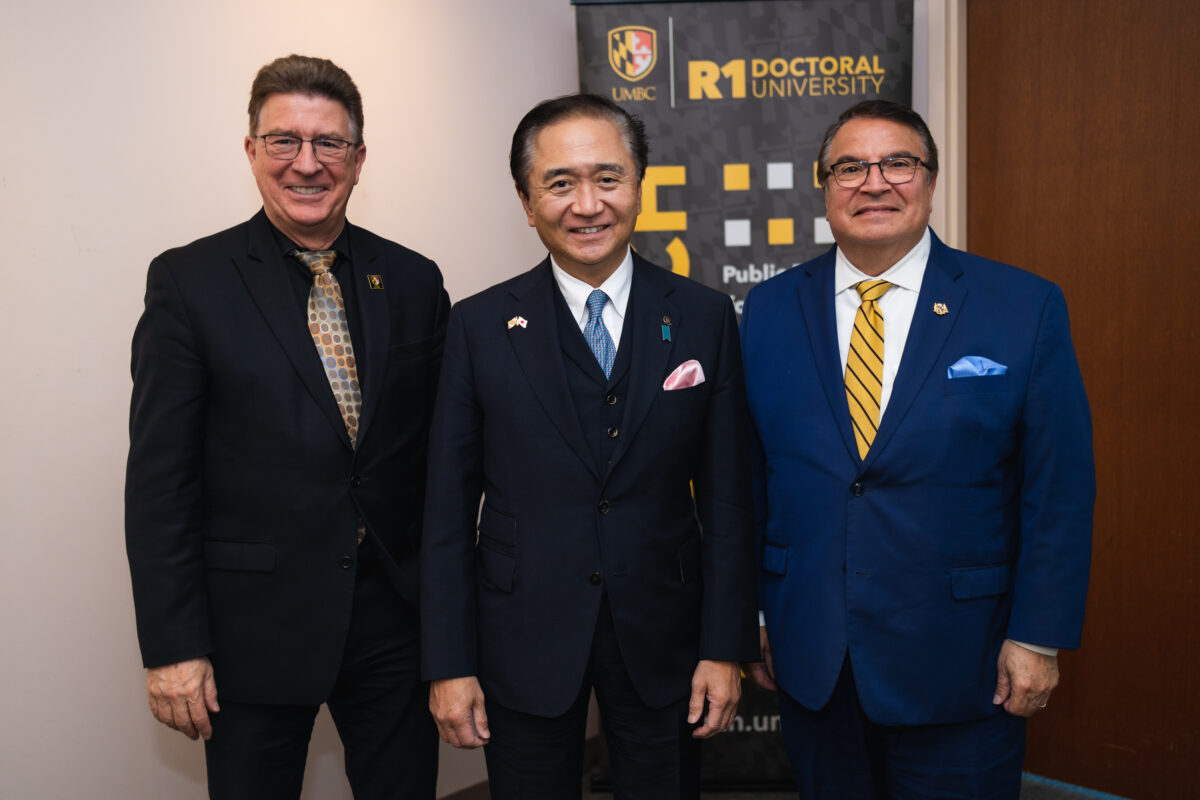
(l-r): Steiner, Kuroiwa, Borunda. (Photo by Kiirstn Pagan ’11)
ME-BYO meets medical technologies
ME-BYO is a state of being where a person is defined as neither sick nor healthy, but living in a continual state of maintaining good health wherever they are in the spectrum of personal wellbeing. Governor Kuroiwa’s Healthcare New Frontier health policy combines the traditional concept of ME-BYO with advanced technology, regenerative medicine, robotics, and information and communication technologies.
“When we think of our health, we think that we are either healthy or sick, but in reality, there is no cut line. Our state of health gradually changes between healthy and sick every day. This is the state of ME-BYO,” said Governor Kuroiwa. “To manage and improve our health is to manage ME-BYO.”
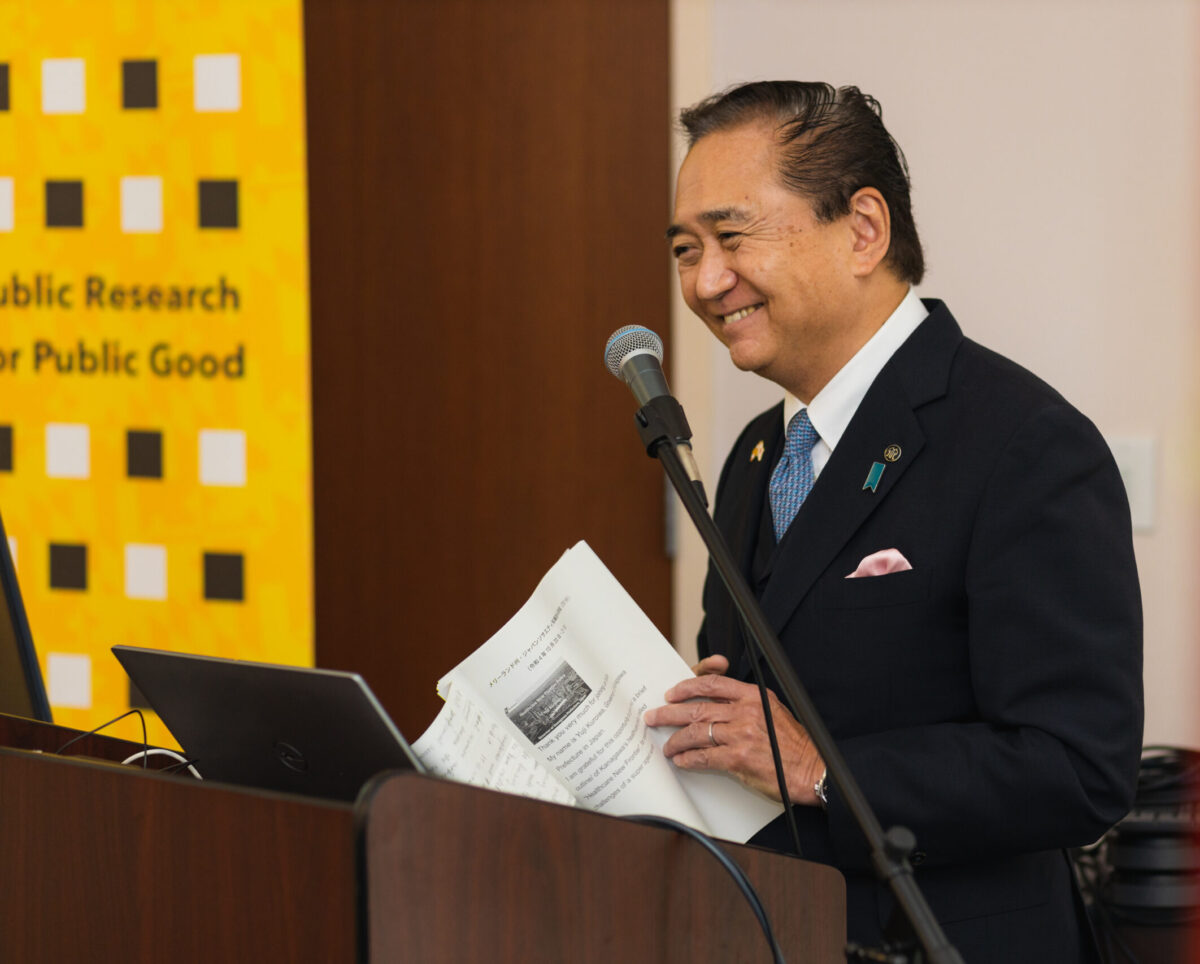
Yūji Kuroiwa, governor of Kanagawa Prefecture. (Photo by Kiirstn Pagan ’11)
The purpose of the prefecture’s new health policy is to prevent illness and minimize illness progression through programs that promote healthy behaviors such as a balanced diet, exercise, and social activities. This includes fostering age-friendly living communities that can improve physical and mental health. The ME-BYO approach also encourages monitoring vital signs using biomedical life science technologies.
“By integrating the ME-BYO concept with advanced medical technologies we aim for healthy longevity as well as create new industries and markets,” said Governor Kuroiwa. “We hope to strengthen partnerships between Maryland and Kanagawa Prefecture to further the development of the life science industry in both.”
Benefits of lifelong learning
At UMBC, aging research can be found across a broad range of disciplines, using different approaches. Some faculty focus on lifelong learning and education or trauma-centered care. Others take novel approaches to data collection, management, and analysis to develop insights on healthy aging and the life course and the social determinants of health, such as access to quality healthcare, living environments, social networks, and economic forces.
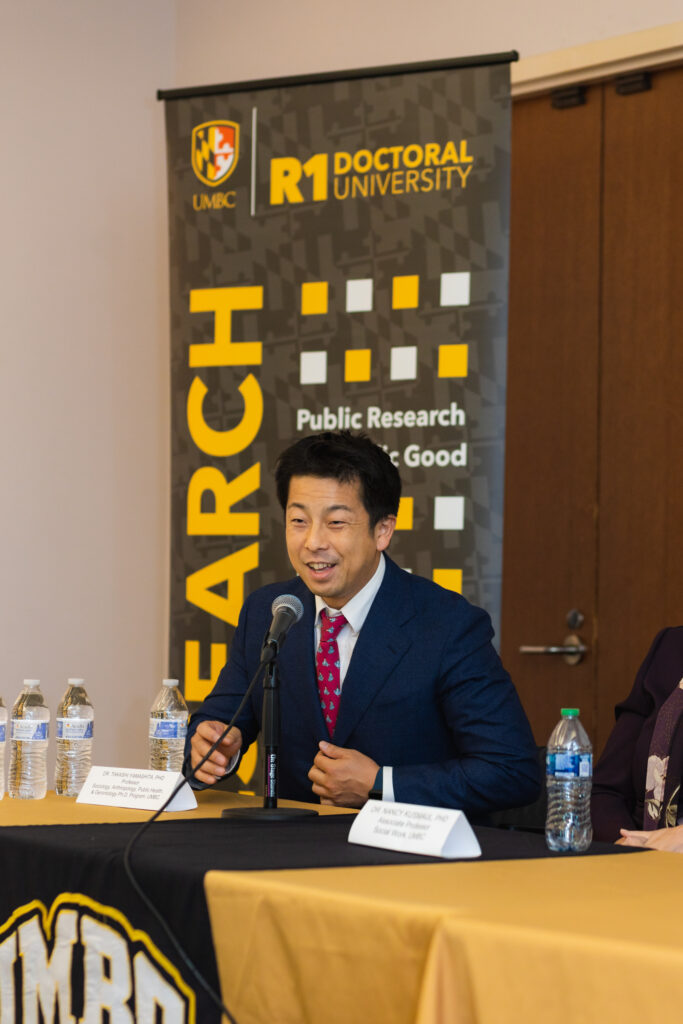
(l-r): Yamashita, Steiner, Borunda. (Photo by Kiirstn Pagan ’11)
Research by UMBC’s Taka Yamashita, a professor of SAPH, has revealed that individuals with high educational attainment are more likely to pursue education activities later in life. Preliminary findings have found that lifelong learning has a strong correlation to long-term health and wellbeing. However, further research is needed to understand why this link exists.
“The optimal goal of my research is to create a situation where we can actually prescribe lifelong learning just like we do physical activities today, to maintain and promote health and wellbeing later in life,” says Yamashita.
Taka Yamashita. (Photo by Kiirstn Pagan ’11)
Statistical models to improve health outcomes
In order to engage more people in lifelong learning and other activities that promote well-being, communities need help to prevent or minimize their risks of adverse health events, the speakers also noted. Ian Stockwell, an associate professor of information systems, spoke about the potential of statistical models to support healthy aging and the ongoing community engagement of older adults.
Stockwell is the associate director of healthcare research in UMBC’s College of Engineering and Information Technology and also a liaison to The Hilltop Institute at UMBC, which develops predictive analytics related to healthcare. Stockwell was previously chief data scientist at Hilltop and his current research focuses on the use of data to improve healthcare systems.
Ian Stockwell. (Photo by Kiirstn Pagan ’11)
For the last three years, Stockwell and a team of Hilltop researchers have been building statistical models incorporating the characteristics that influence the health and wellbeing of a person, like chronic conditions and access to food, transportation, and housing. Their models can measure not only the risk of a population for adverse health events—such as avoidable hospital visits, complications due to diabetes, or premature death—but also the role of factors and characteristics associated with their daily environment.
Often, people who are most at risk of negative health outcomes are not able to seek care. One goal of this research is to use the information from the models to inform the creation of an intervention outreach team that can identify those individuals with the highest risk and get them the services that they need.
“These models currently predict avoidable hospitalization, avoidable long-term admission to nursing homes, complications due to diabetes, and opioid overdoses,” says Stockwell. “I love helping people and these models have served two-million Marylanders who are covered by Medicare and Medicaid.”
Trauma-informed care
Trauma is an important event in the life course that can impact health and health outcomes for people in any population. For residents of long-term care and nursing homes, trauma-informed care is essential to psychosocial well-being, UMBC researchers shared. UMBC’s Nancy Kusmaul, an associate professor of social work, and Brandy Wallace, an associate professor of SAPH, are working to help nursing homes implement trauma-informed care practices.
Nancy Kusmaul. (Photo by Kiirstn Pagan ’11)
“Trauma-informed care is a perspective and organizational model that presumes residents, staff, caregivers, family members, and anyone who might be at the nursing home, might have experienced some kind of trauma that we might not know,” said Kusmaul at the event.
Traumas that people experience because of gender, age, location, discrimination, and oppression can be perceived differently around the world, she explained. Trauma-informed care increases the compassion and empathy that caregivers can provide and helps them focus their care in a way that reduces retraumatization for everyone, supporting wellbeing.
Trauma-informed practices may look different across cultures, but they are important to explore deeply whether someone is in Maryland or Kanagawa, noted Kusmaul. “They are part of the human experience,” she said. “No matter who you are, where you are, or your nationality, trauma-informed care is essential to the wellbeing of all populations.”
A vision for healthy aging
Madhav Thambisetty, a senior clinical investigator at the National Institute of Aging, also spoke at the seminar, sharing research on pharmaceutical advances in aging care. Manabu Seo, chief executive officer at Elixirgen Scientific, and Rama Modali, chief executive officer of Reprocell USA, discussed advances in drug discovery and regenerative medicine.
Madhav Thambisetty. (Photo by Kiirstn Pagan ’11)
The seminar concluded with a panel including Yamashita, Kusmaul, Stockwell, and Governor Kuroiwa, led by Dana Bradley, dean of the Erickson School, as well as a poster presentation featuring work by doctoral students from the UMB/UMBC Doctoral Program in Gerontology and the UMB School of Social Work .
Donnette Narine, a gerontology doctoral student, discusses her poster with Stockwell. (Photo by Kiirstn Pagan ’11)
The consensus for the future of healthy aging was that no single perspective or narrow approach will be successful. Supporting the health and wellbeing of the aging population depends on international innovation and collaboration in life science biotechnologies, novel clinical approaches, effective data management and analysis, and thoughtful approaches to care and wellbeing centered on human experiences.
“UMBC played an important role in connecting Kanagawa and Maryland, through education and research, to develop this unique international seminar,” said Yamashita. “I hope that this seminar inspired policymakers, researchers, and students to critically examine how the ME-BYO concept and policy may contribute to our current views on aging and healthcare.”
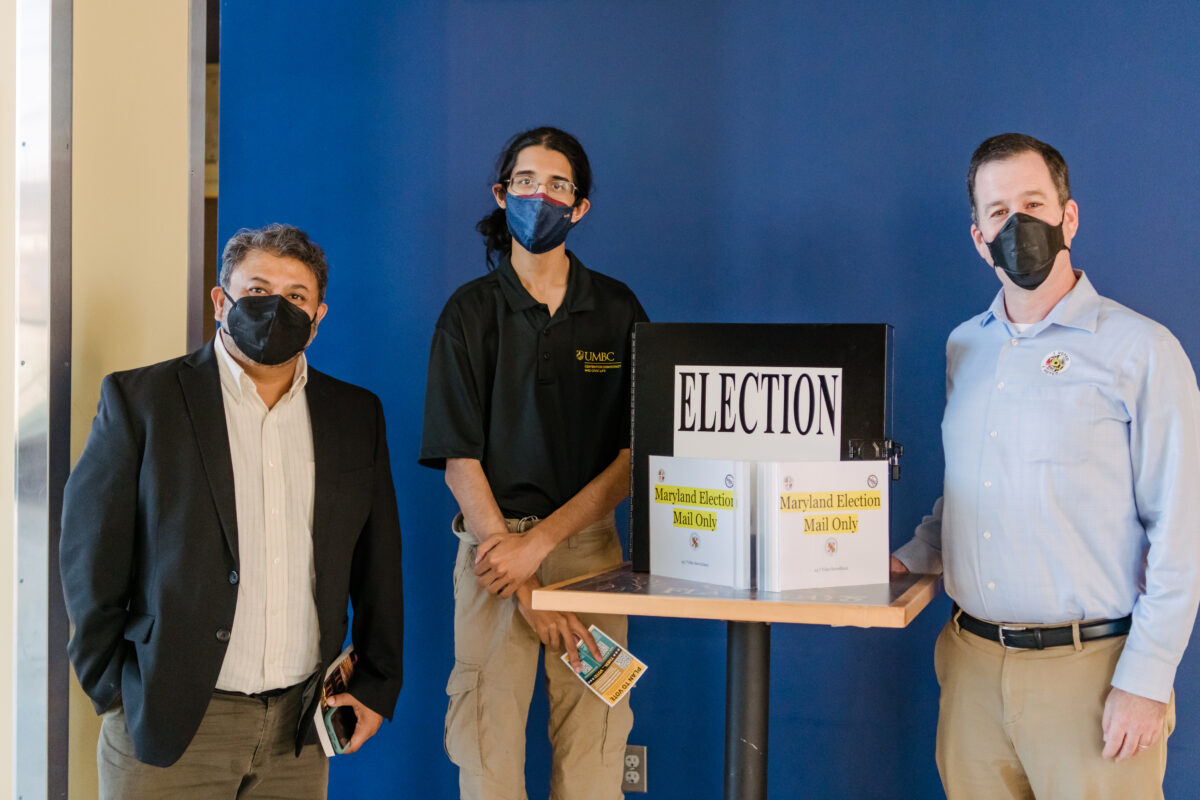
Today, millions of college students across the country are voting. Other students are not voting—they might be discouraged that their voice can make a difference, uninformed about their voting rights, or just unengaged with the political process.
In a conversation facilitated by UMBC Magazine, MusaJafri ’24, political science, SGA director of civic engagement, Sunil Dasgupta, professor of political science, and founder and host of the podcast “I Hate Politics,” and David Hoffman, Ph.D. ’13, language, literacy, and culture, the director of UMBC’s Center for Democracy and Civic Life, discuss the vital democratic process—on campus and off—and the daily practice of voting.
“Voting is about you taking a stand and stating, ‘I’m here, I matter, I exist, and I have a voice.’ It’s a form of resistance, a way to try to change the climate you find yourself in.” says Jafri,co-chair of the University System of Maryland Student Civic Leaders Committee.
“I don’t understand how democracy became compartmentalized to something that happens every four years. Voting is the culmination of the work that we have done for the past four years between the time we last voted and now,” says Dasgupta. “Voting is a moment of celebration. A moment where we find out whether the work we did in between votes really mattered. There is no other way to think about democracy. Voting is what we do every day.”
Hoffman, Jafri, and Dasgupta. (Marlayna Demond ’11/UMBC)
Dasgupta: From my way of thinking, a university campus can be very different than society at large. What is the difference and how does that manifest in civic life, on campus, and in communities? How do we navigate those differences?
Hoffman: In our broader culture, we speak too easily of universities as separate from the rest of society: as ivory towers where students are being prepared for the ‘real world.’ The reality is that universities are life. Students are alive right now and they are part of many communities within and beyond the university. What happens here matters to the lives of everyone at UMBC and the communities they are part of.
Jafri: I agree. There are many instances where the university and local community needs overlap. Recently, some UMBC students organized an event where we invited the Catonsville and Arbutus communities to meet the candidates in our district. By including these two communities we realized that we had similar concerns including education, clean water, and environmental protection.
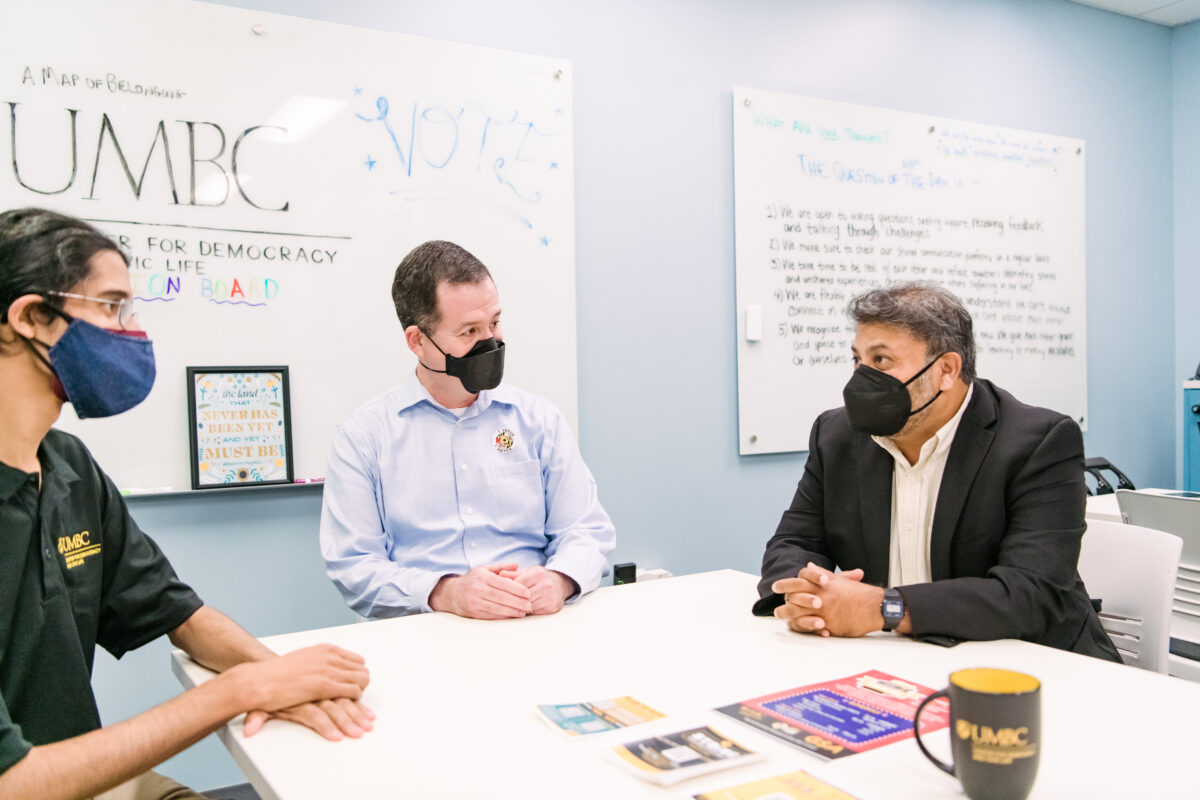
Jafri, Hoffman, and Dasgupta in the Center for Democracy and Civic Life. (Marlayna Demond ’11/UMBC)
Jafri: My generation is very politically active when it comes to voting and getting out to the polls. But with the plethora of social media platforms and news outlets how can students ensure they are getting valid and factual news?
Dasgupta: Let me be a professor and say there is more reading to be done. If your news derives from digital platforms, these platforms are algorithmic with a selection bias problem that is not your selection bias problem. You are essentially hostage to their selection bias. The way you have to overcome this is to move beyond one or two or even three sources of news. What all of us need to do is a triangulation between you and multiple sources. That takes work. Social media won’t replace in-person organizing or knocking on doors. On the other hand, organizing alone can be more effective with social media’s reach. The combination is necessary. At the risk of saying go do more work, I do think we have to understand that choosing one approach is not sufficient.
Hoffman: A part of what happens when you get involved in on-the-ground organizing is that you become better able to discern the plausibility of claims that you might encounter online. You become a better evaluator of the information you are receiving. One of the premises of Center for Democracy and Civic Life’s work is that democracy is not just a form of government, it’s not just politics and elections, it is a way of life that can be enacted in everyday settings. Ideally, people vote because they are so thoroughly engaged with the issues in their community and nation and understand them so well that voting is an obvious way to contribute. It’s one facet of how we shape our collective future, but far from the only one.
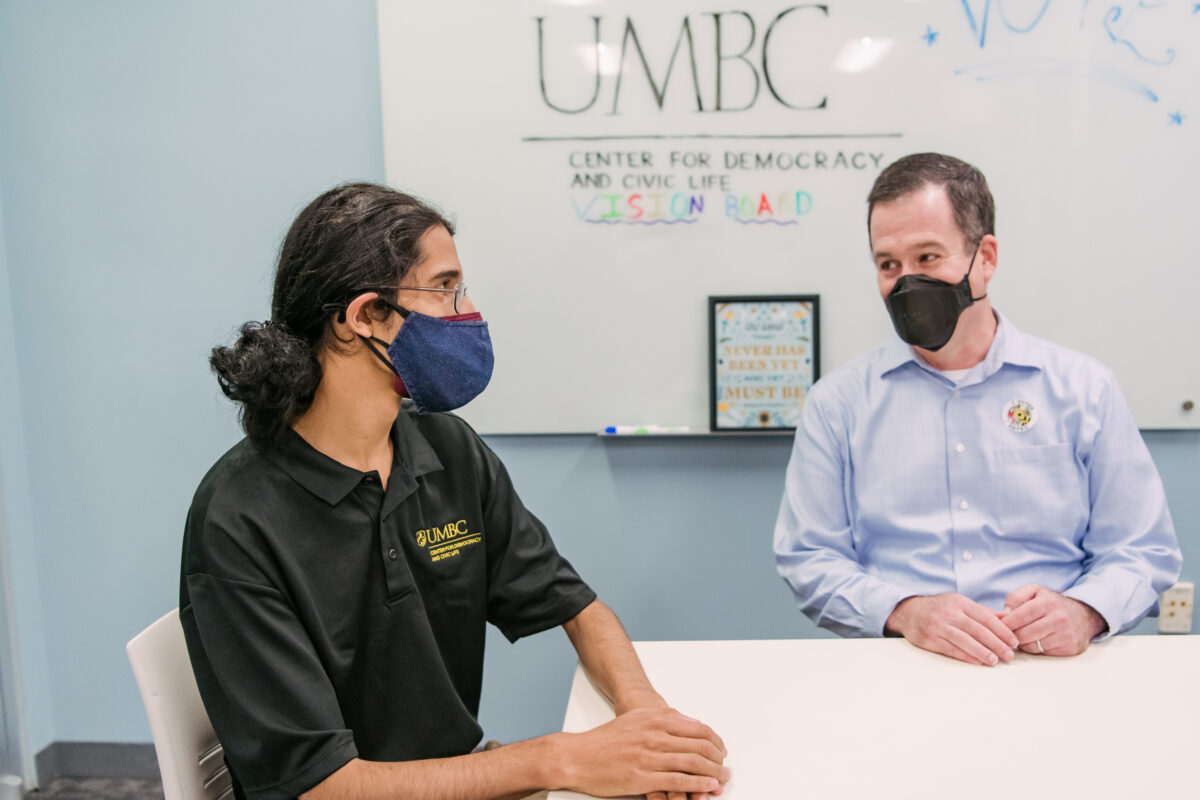
Jafri and Hoffman. (Marlayna Demond ’11/UMBC)
Jafri: One of the comments I often hear from students is that their one vote will not matter because it doesn’t determine the outcome. How can students and the broader community understand that voting is important even if their one vote may not be the deciding vote?
Hoffman: There are a lot of reasons to vote including enacting a symbolic and moral commitment to the well-being of your community. If your vote does not determine the outcome it will still be counted. Candidates and elected officials will review voting data to learn about who voted. In the elected official’s mind if a high percentage of young people voted then their concerns are important. This matters a lot.
Hoffman: What can communities do to help heal the deep divisions in our society that are evident all around us every day?
Jafri: I lean a lot on the power of storytelling—of meeting people where they are and hearing their stories. The divisions in the broader U.S. and in our communities come from a lack of understanding of someone else’s experience. Listening to another’s experience is very powerful and helps us see multiple realities. Maybe we can work together to address our concerns even if our approaches are different.
Dasgupta: I agree with Musa. Storytelling is very powerful and important especially when communities are in need of reliable news sources. I created my podcast to fill a gap in news coverage in Montgomery County. Providing a sound space where community leaders and elected officials can share their insights and plans for the future is one way I give back to the community, especially in areas where there isn’t a local newspaper.
Dasgupta, Jafri, and Hoffman. (Marlayna Demond ’11/UMBC)
Hoffman: What are some practical examples of things students can do that may not be obvious to them as opportunities for civic engagement?
Jafri: Some define democracy and civic engagement as just voting. I don’t think that is a fair description of democracy and civic engagement. Simple things such as gathering with friends and inviting someone who has different views than your own is a very basic way to be civically engaged. I think that can do a lot of good in helping heal the divide.
UMBC Magazine: What wisdom can you impart to inspire students to not give up and to show up and vote?
Dasgupta: The challenges are always going to remain. Our lives’ work is to work through these challenges with hope. We don’t have to solve everything but we are duty-bound to try solve some of the issues we face.
Hoffman: I believe that the moral arc of the universe bends towards justice but that achieving it in our lifetime requires constant organizing. I also believe that democracy is a journey, not a destination. We will never fully achieve the just society that we aspire to but we can get closer and closer and work together to prevent backsliding. I have seen a lot of positive changes in my lifetime including the expansion of rights and the recognition of people based on their identities. The backsliding we have experienced lately has not fully erased this progress so I have hope that together we can build a more just society and that in fact, the seeds of that society have already been planted.
Update: In late November 2022, the ALL IN Campus Democracy Challenge released the results of its national student voter pledge competition. UMBC finished at #4 in the nation in the number of students pledging to vote in Election 2022, moving our campus community up from #9 in 2020.
When disasters happen, access to food can be interrupted, which can increase existing food insecurity issues and compound the impact of disasters. Currently, there isn’t a standard tool to measure disaster-specific food insecurity issues, making it harder to address them.
The National Science Foundation (NSF) has awarded UMBC’s Lauren Clay, associate professor and chair of emergency health services, a five-year, $520,000 Faculty Early Career Development (CAREER) award to develop a sociocultural model called Food Environment in Disasters (FED) and other tools to improve the understanding and monitoring of food availability, acceptability, and accessibility during disasters.
“Food is a basic need for human survival and the ability of social systems to meet this need in disaster situations is compromised when our homes, businesses, and other structures are damaged and lifelines disrupted,” says Clay. “While elements of the various social and built-in environmental systems that make up the broader food environment as well as food security issues have been studied by various disciplines, a comprehensive, systematic approach has yet to be applied and tested in disaster settings.”
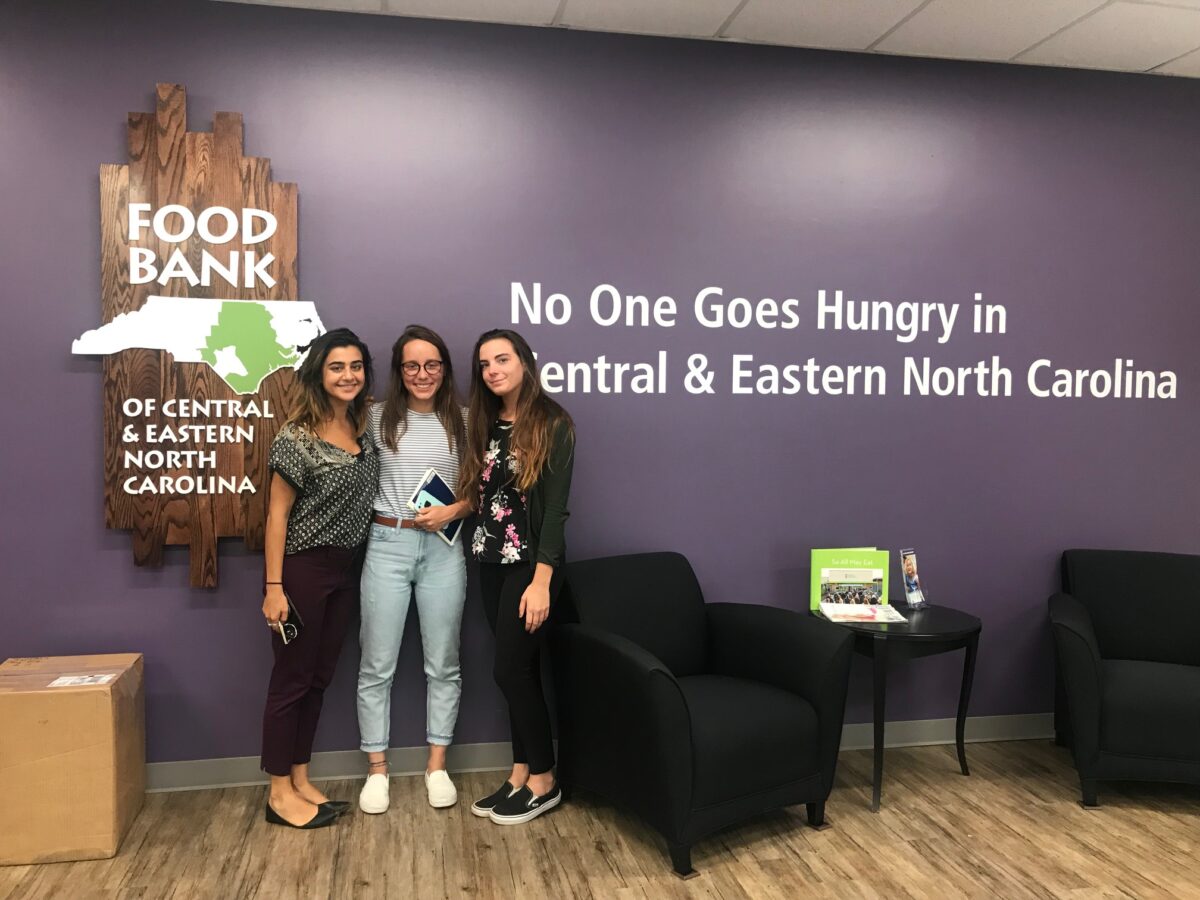
Lauren Clay’s graduate students volunteer at a food bank. (Image courtesy of Clay)
The CAREER award is one of NSF’s most prestigious awards for early career faculty. Recipients are chosen for their passion and dedication to the discovery process and commitment to teaching, learning, and sharing new knowledge.
This research builds on Clay’s prior body of work in disaster preparedness, recovery, and resilience. That work has focused on communities impacted by COVID-19; Hurricanes Harvey, Sandy, and Katrina; the Deepwater Horizon Oil Spill in the Gulf of Mexico; and the 2013 tornado in Moore, Oklahoma, among other disasters and public health emergencies.
The FED model
Over the next five years, Clay will use the current Nourish Food System Model as a guiding theory to develop her new FED model. “The Nourish Food System Model looks at the interconnectedness and interdependence of the biological, social, political, economic, health, and policy systems,” says Clay. “Some of these systems can be disrupted any day, but in a disaster, all of the systems are stressed.”
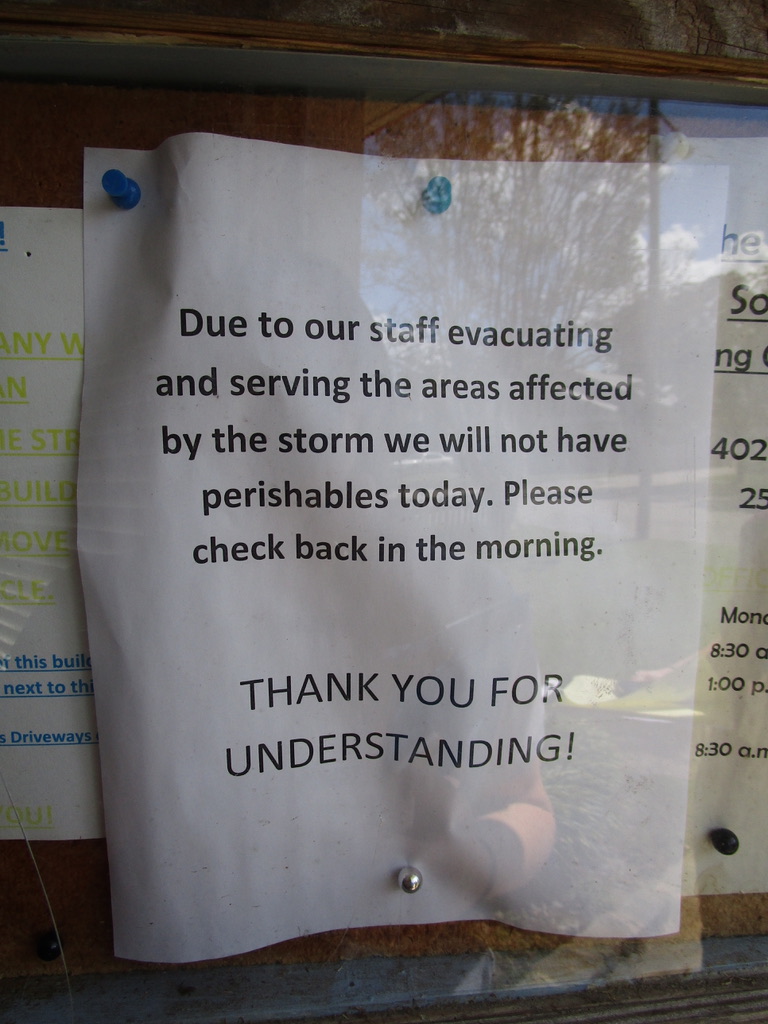
Community announcement for North Carolina residents after Hurricane Florence (2018). (Image courtesy of Clay)
A key aspect of the FED model is that it is being developed with data from disasters. This is unlike current food system theory and metrics that base their emergency response on data from non-disaster times. The FED model will be tested against food insecurity data from COVID-19, Hurricane Florence, the 2018 Camp Fire in Paradise, California, and other case studies to determine how well the model fits with actual lived experiences in disasters.
“After I develop the FED model and validate it, the last part in the latter years of the grant will be to develop tools to support communities in building food system resilience for disasters,” says Clay. She will create the Environmental Audit Tool (EAT) to help local and state organizations better monitor and assess the processes and structures in place to address food insecurity in non-disaster times. This information will help improve both early response and long-term monitoring.
All of this work will help address the kinds of acute food insecurity issues that can double or triple chronic food security problems following disasters.
Grocery store shelves after Hurricane Florence (2018). (Image courtesy of Clay)
Best practices in teaching
The NSF award also recognizes and furthers Clay’s work as an innovative educator. Through the CAREER award, she will develop best practices in teaching methods related to food insecurity in disaster situations.
Clay will create one of the first teaching labs to train undergraduate students with the knowledge, skills, and attitudes to address disaster-focused food insecurity. She will also integrate field and lab research into her classes more broadly, where students can engage with the work as disaster response is unfolding, giving them the opportunity to learn about disasters both from emergency response practices and a theoretical framework.
Foundational work
Clay’s latest research builds on prior foundational work. In 2021, she received a $100,000 collaborative research award from the U.S. Department of Agriculture (USDA) and Tufts University. Clay was one of six researchers across the U.S. to participate in the USDA’s “25 Years of Food Security Measurement: Answered Questions and Further Research” program. The program aims to foster research related to the past 25 years of U.S. household food security research and to explore feasible evidence-based improvements.
“I proposed that the USDA was missing important information about people’s lives by focusing entirely on financial barriers to food security. Having cash does not guarantee food security if there are community-level disruptions,” says Clay. “Roads can flood and access to kitchens and food storage facilities can be damaged.”
Clay and a team of researchers collected data from six states to explore nonfinancial barriers to food accessibility, availability, and acceptability, including physical barriers to food sources (such as damaged roads), barriers to food availability (such as store closures), and access to foods that can be consumed without extensive kitchen facilities.
“We are in the final phase of developing a better measure of food insecurity following disasters when there is a community-level disruption,” says Clay. She plans to use this measurement tool in the development of the FED model.
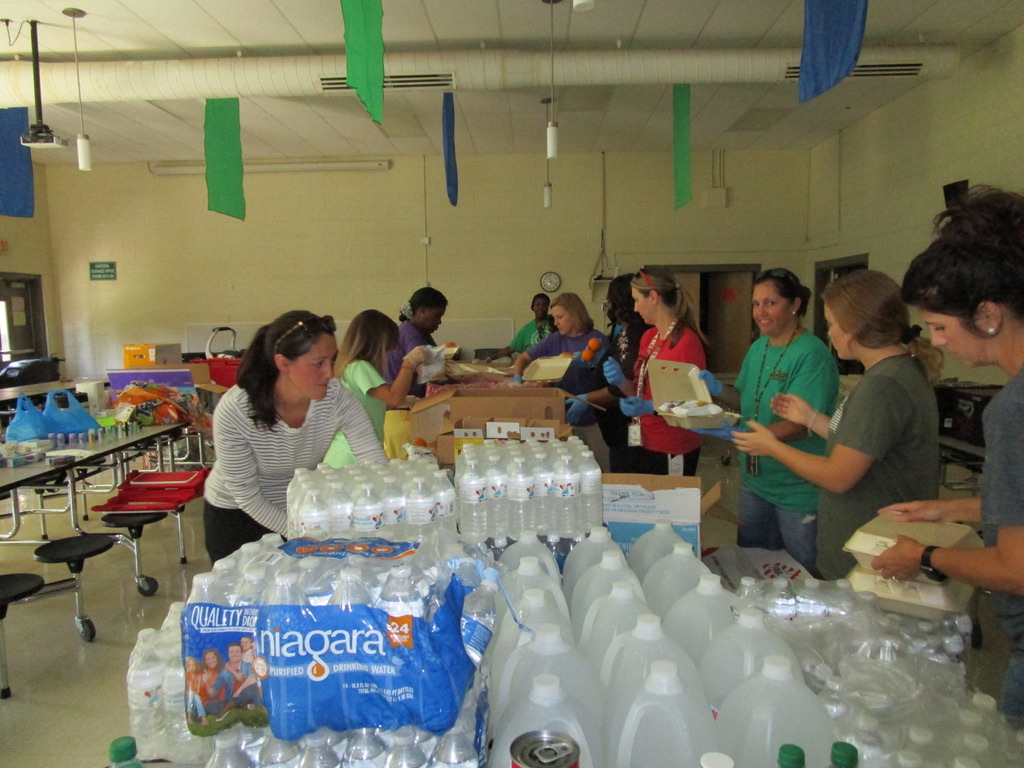
North Carolina teachers package food for victims of Hurricane Florence (2018). (Image courtesy of Clay)
National food access and COVID-19
Additionally, Clay has been working on two other food insecurity projects that have received Quick Response Research Awards, funded by the University of Colorado’s Natural Hazards Center with support from NSF.
In the first project, Clay leads the New York state team of the National Food Access and COVID research Team (NFACT). The team consists of researchers across 15 states exploring the impact of COVID-19 on food access, food security, and food systems across local, state, regional, and national levels. NFACT also integrates data to explore outcomes and impacts across scales.
The second project, in which Clay is the co-PI, is a study with the Food Distribution Program on American Reservations to pilot a culturally relevant metric of food insecurity. It will measure the impact of the COVID-19 pandemic on food insecurity among Native American and Alaskan Native communities in Western New York.
In five years, Clay plans to have established the Disaster Health Research Lab, integrating the breadth of her research and teaching activities. This lab will offer a portfolio of tools to monitor food systems over the course of a disaster experience, from preparedness to assessing and responding to impact, to recovery. And she will offer tools to help communities improve the functioning of their food environments in disasters.
She particularly looks forward to developing a public engagement plan to share this work with researchers, disaster officials, and communities.
“Dr. Clay’s research demonstrates the importance of bringing a social science lens to the understanding of disaster science, management, and resilience,” says Christine Mallinson, director of UMBC’s Center for Social Science Scholarship. “Disasters exacerbate inequities, including food insecurity, which has a serious impact on the health of people and communities around the world. Dr. Clay’s research not only aims to understand these processes but also how to design interventions to mitigate the societal-level impacts and consequences of disasters.”
Clay is the first faculty member in UMBC’s College of Arts, Humanities, and Social Sciences to have received this award. UMBC faculty have received 42 NSF CAREER Awards since NSF launched the program in 1995, including eight faculty over the past five years. Their fields of research include computer science and electrical engineering (CSEE); information systems; chemistry and biochemistry; chemical, biochemical, and environmental engineering (CBEE); and biological sciences.
UMBC’s most recent recipients are Cynthia Matuszek, associate professor of CSEE; James Foulds, assistant professor of information systems; Naghmeh Karimi, assistant professor of CSEE, and Jianwu Wang, associate professor of information systems. UMBC President Valerie Sheares Ashby received an NSF CAREER award in 1998 while at Iowa State University.
Over the last decade Nicole King, professor of American studies and director of the Orser Center for the Study of Place, Community, and Culture, has worked with colleagues to develop public humanities research methods that address disconnections, misrepresentation, and inequalities in Baltimore City and in the classroom. King helps students actively listen to and partner with Baltimore communities in research to create multimedia narratives as a vehicle of community-building and advocacy.
“Place-based public history projects demonstrate that students and scholars can engage and collaborate with communities to identify, analyze, and respond to pressing social problems,” says King. “Public history methods can create dynamic social spaces in which scholars and residents work together to frame questions, conduct research, and preserve urban places.”
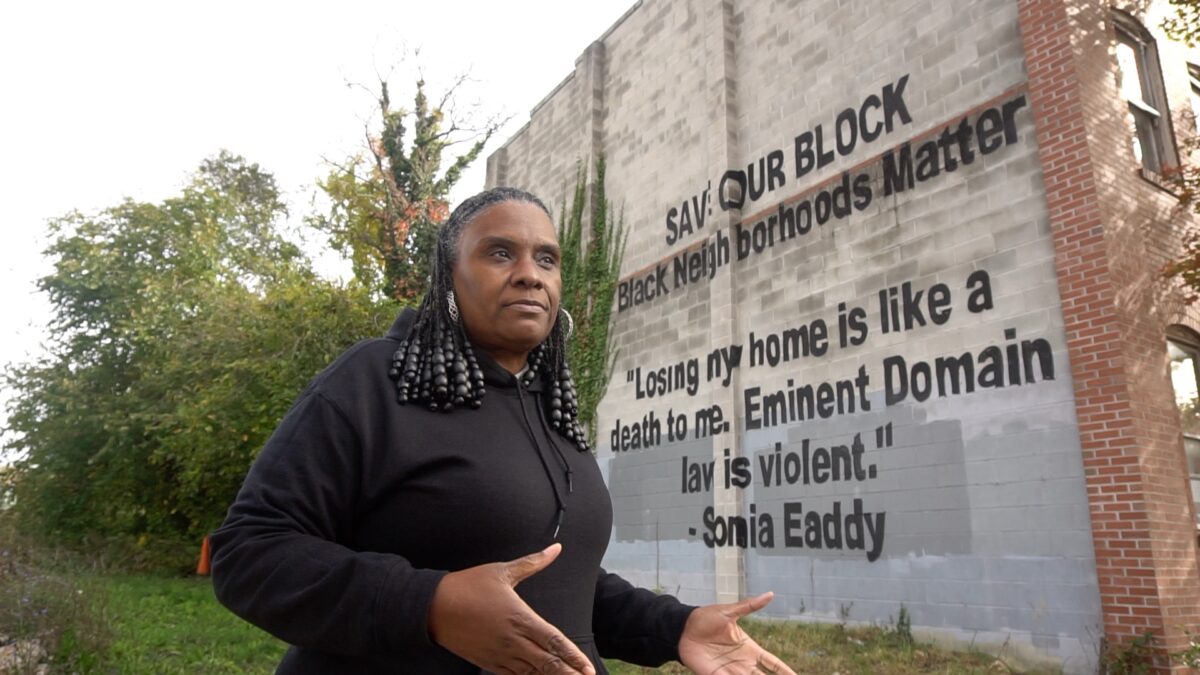
In July 2022, Sonia and Curtis Eaddy celebrated as Baltimore’s mayor announced their home in the historic Poppleton neighborhood of West Baltimore, dating back to the late 1800s, would not be demolished for redevelopment as previously planned. Among those whom Sonia thanked for support were King and her students.
Sonia Eaddy. (Image courtesy of King)
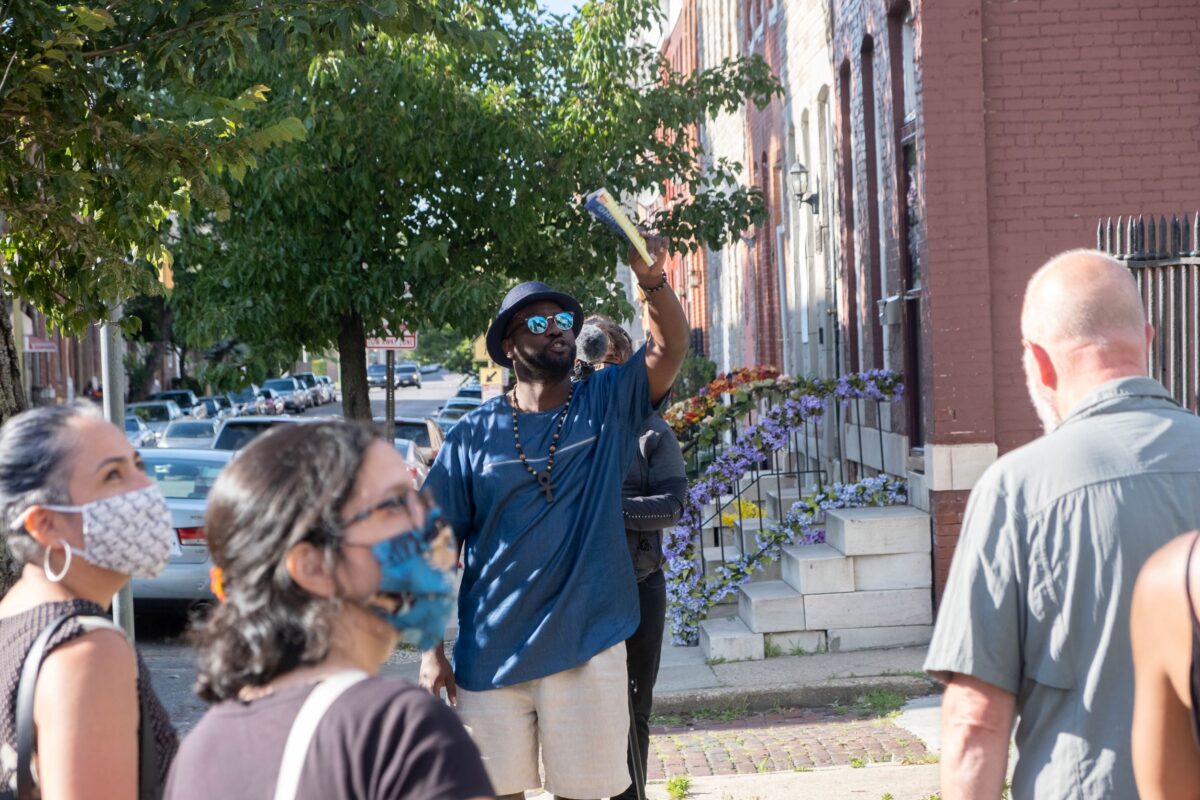
King originally connected with the Eaddy family through their son, Curtis Eaddy II, who shared his story as a third-generation Poppleton resident in 2019 for the storytelling series Baltimore Traces: West Baltimore. He became a strong partner in leading walking tours of West Baltimore through UMBC’s Baltimore Field School before interviewing his parents for A Place Called Poppleton, which King co-created in 2020 with students, residents, and Bill Shewbridge, media and communication studies professor of the practice.
Curtis Eaddy II shares his story for Baltimore Traces: West Baltimore, produced by Shewbridge.
Through A Place Called Poppleton, UMBC students listened to residents who live, work, and are connected to Poppleton. They shared their voices through media like films, a digital walking tour and historical timeline, a zine, and a brochure. These materials have documented, analyzed, and raised awareness about Poppleton’s history and present community advocacy.
We Are You and You Are Us produced by María Morte, M.A. ’23, intercultural communication, Fulbright U.S. Student Scholar from Spain.
The project Baltimore Traces: Communities in Transition, which began in 2015, is a collaborative teaching initiative that brings together students from a variety of disciplines in the arts and humanities to create media focused on Baltimore neighborhoods. The project has produced the Telly Award-winning documentaryMill Stories: Remembering Sparrows Point Steel Mill as well as short films, digital maps, and podcasts such as theBaltimore Green Space andA Walk Down West Baltimore Street. This included the radio seriesStories of Deindustrialization, produced in partnership with the Center for Emerging Media—a Baltimore non-profit, and aired on the Marc Steiner Show.
“Getting out, showing up, listening to people, and meeting people where they are is so important to building the Baltimore Traces project,” King explains. “It’s something that organically grows to educate students…to do work that matters on the ground.”
Baltimore Field School
It’s no accident that King first connected with Curtis Eaddy II through Baltimore Traces, and then the Baltimore Field School, a project specifically designed to support innovation in the public humanities through collaboration with Baltimore residents.
The Andrew W. Mellon Foundation awarded King and Dean Kimberly Moffitt $125,000 to establish the Baltimore Field School in 2020, to enhance the understanding and visibility of communities in South and Southwest Baltimore. The project accomplishes these objectives through methods centered in community partnership. In this way, it works to build a national model of effective, ethical humanities research, teaching, and learning about Baltimore and cities like it.
Curtis Eaddy II (center) leading a walking tour of West Baltimore for the Baltimore Field School.
The work continues to evolve. In 2022, the American Council of Learned Societies awarded King; Sarah Fouts, assistant professor of American studies; and Tahira Mahdi, adjunct professor of psychology, an NEH-supported public engagement grant totaling more than $150,000 for “Baltimore Field School 2.0: Undoing & Doing Anew in Public Humanities.”
Fouts, King, and Mahdi will work with community members, UMBC graduate students, and faculty to continue to develop frameworks for ethical and sustainable community-engaged research between local communities and academia, around topics such as public information, racial equity, and food and land justice.
The “public” in public humanities
These are some of the same core themes explored inBaltimore Revisited(Rutgers University Press, 2019), the leading contemporary anthology on the city’s complex history and efforts to address longstanding inequalities, written by experts both within and outside of academia. King co-edited the book with long-time collaborators Kate Drabinski, principal lecturer of gender, women’s, and sexuality studies, and the University of Baltimore’s Joshua Clark Davis.
“We hope the book raises questions about how history can inform the present to understand the roots of the city’s many inequalities,” said Drabinski, when it was published. “We wish readers to imagine new ways of being in and organizing for Baltimore now and in the future.”
Thinking of the anthology and all that has followed it, King reflects, “We can not forget the ‘public’ in public humanities.”
Humanities faculty Elizabeth Patton, Mirjam Voerkelius, and Amy Froide have received prestigious research fellowships totaling over $135,000 to explore archives and reveal new findings about unique historical events in the United States, Soviet Union, and United Kingdom. Their research will help further book manuscripts that will share new perspectives on African American leisure travel during Jim Crow, Darwinism in the Soviet Union, and financial fraud in the early stock market involving women investors in 18th-century England.
As an art historian, Preminda Jacob, an associate professor and associate dean of the College of Arts, Humanities, and Social Sciences, compares scholarship in the humanities to detective work. “Humanities research requires painstaking, patient piecing together of clues to develop narratives that have the power to subvert, or challenge accepted knowledge about a historical period or contemporary phenomenon,” says Jacob.
“The work is vastly time-consuming,” she explains. “It might require proficiency in one or more foreign languages, and entail years spent on a research site. Furthermore, the ‘evidence’ housed in archives, related by informants, or gathered from research sites, is often incomplete or biased. It is the scholar’s task to imaginatively reconstruct what was undocumented or left unsaid and to shine a light on the parts that were hidden, ignored, or missing.”
Cutting-edge humanities research
Over the past five years alone, UMBC’s cutting-edge humanities research has garnered funding from major sponsors that include the American Council of Learned Societies, the Carnegie Corporation of New York, the Institute of Advanced Study, the Institute of Citizens & Scholars (Mellon Foundation), Harvard’s Loeb Classical Library Foundation, the National Endowment for the Humanities (NEH), and the Whiting Foundation.
UMBC’s Dresher Center for the Humanities provides key support to faculty engaging in major scholarly and public projects. Rachel Brubaker, director of program administration at the Dresher Center, works with faculty one on one to identify and successfully apply for research funding.
“The Dresher Center directs faculty to funding sources that further important humanities research,” says Patton, an associate professor of media and communication studies. “They get to know you and your interests and provide essential feedback—that has been an indispensable source of support and encouragement to me.”
Segregated leisure
Patton’s current research started with a picture found among her grandmother’s family photos. In the stack was a picture of her uncle at the 1964 New York World’s Fair. Patton was surprised because he lived in Philadelphia—a long way to travel at that time and a risky journey. This image defied the dangers, risks, and humiliation that were not limited to Southern states for African Americans traveling during Jim Crow.
Patton’s mother shared details of their trip to the World’s Fair, opening a door into a world where African American families and individuals enjoyed travel, counter to the media’s portrayal of vacations and other leisure trips as experiences exclusively for white Americans.
She developed a new research project: “Representation as a Form of Resistance: Documenting African-American Spaces of Leisure during the Jim Crow Era.” This research examines the history of Black leisure and tourism in the U.S. through the perspective of marketing and advertising to put into context lingering forms of racism that still affect Black tourism on platforms like Airbnb.
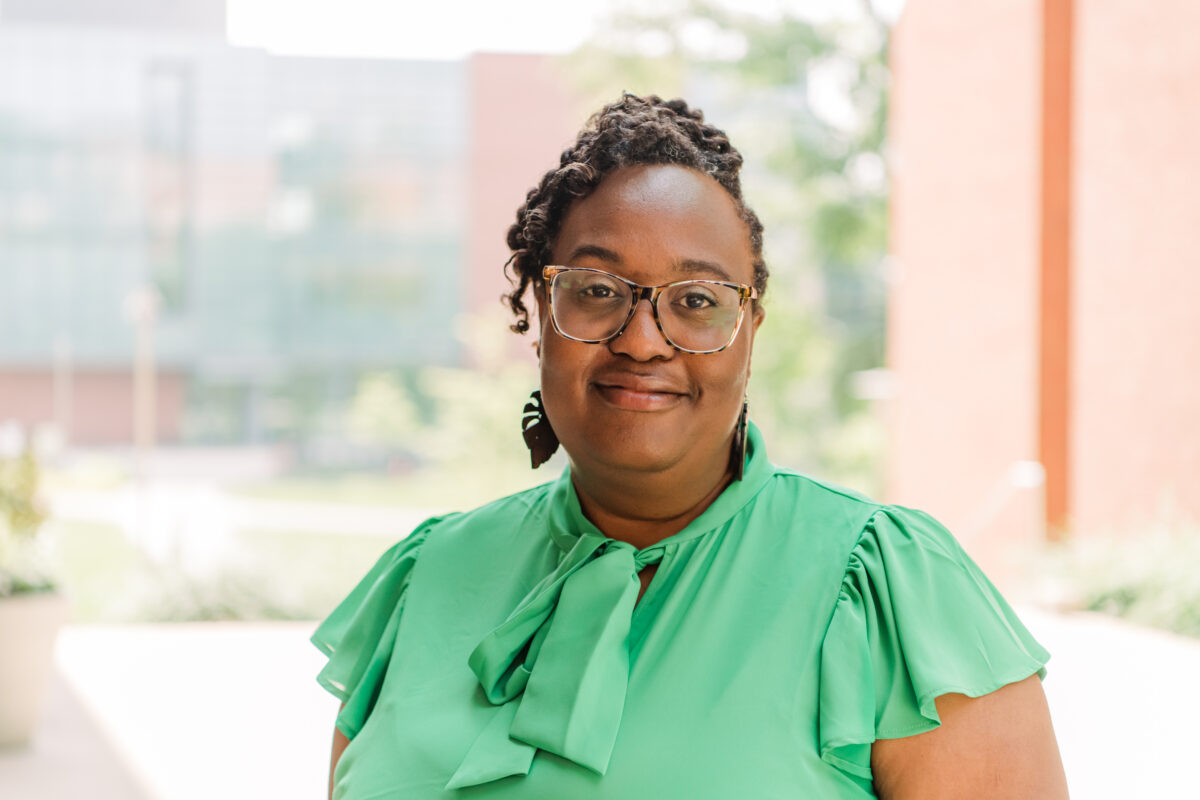
Elizabeth Patton. (Marlayna Demond ’11/UMBC)
“This research focuses on how media—such as advertisements, guidebooks, newspapers, magazines, film, photographs, home videos, and social media—have been used to document and promote leisure practices as a form of covert resistance,” says Patton. “It provides a counter-narrative to consumption-based and white-washed popular representations of tourism.”
The Smithsonian National Museum of African American History’s Great Migration Home Movie Project and African American Home Movie Archive have presented Patton with an opportunity to look through an extensive collection of home movies as well, offering another kind of personal perspective. Patton has also explored papers on city planning and major events like the World’s Fair, to understand how spaces were shaped by race and class and how leisure in New York became segregated, using the African American Studies collections at the Schomburg Center for Research in Black Culture and at the New York Public Library Rare Books Division, Manuscripts and Archives Division.
“I have found hundreds of examples of spaces where there is a history of people of color using those spaces, desegregating those spaces, or creating their own spaces for leisure and travel,” says Patton. “These rich data sources will help me tell the invisible history of African American leisure through historical methods, discourse analysis, semiotics, and oral history.”
The Soviet Union and Darwinism
Voerkelius’s book project, “Evolution in Times of Revolution: Darwinism, Nature and Society,” explores Soviet attitudes towards nature through the conflicted history of Darwinism in the Soviet Union. Voerkelius, assistant professor of history, explores this history through the lens of the State Darwin Museum in Russia.
Established in 1907, the museum has survived revolutions, political upheavals, world wars, polarizing schools of thought about Darwinism, and now a pandemic. Through it all, the museum has been a pillar of research, dissemination of science, and education pivotal to the Soviet Union’s theories, beliefs, discourse, and actions around evolution.
Mirjam Voerkelius. (Marlayna Demond ’11/UMBC)
“The Darwin Museum offers a comprehensive case study on attitudes towards the natural world in the Soviet Union and the underlying vision of the place of humankind within nature,” says Voerkelius.
This project builds on research completed in Russia at the State Archive of the Russian Federation, the archive of the State Darwin Museum, the Central Archive of the City of Moscow, and the Russian State Archive of the Economy, as well as the Jena University Archives in Germany.
Voerkelius was scheduled to return to Russia to further her archival research and complete her book. Due to the current war between Ukraine and Russia, Voerkelius cannot access these archives. To further her work, Voerkelius has received a $55,000 Kluge Fellowship from the John W. Kluge Center at the Library of Congress. As one of twelve fellows from around the world, she will have direct access to the Library’s extensive collection on the Soviet Union
“Working with the Library of Congress’s Russian Collection will allow me to consult published primary sources, which is essential for the completion of my manuscript,” says Voerkelius. With the help of these sources, she will place the Moscow State Darwin Museum’s research and narrative about Darwinism in a broader context.
“I hope to contribute to scholarly debate on the Soviet Union’s approach to science, evolutionary theory, and its broader impact on the environment,” she says.
Silent Partners focused on the role of women investors in England’s financial revolution and how women played a critical role in Britain’s rise to economic, military, and colonial dominance in the 18th century. Within the newspapers, government documents, and bookkeeping records she examined, Froide, professor and chair of history, found another story: a rare account of a stock market crash in 1732, wrought with fraud, embezzlement, forgery, and thievery.
Her new project, “The Charitable Corporation: A Cautionary Tale of Financial Fraud in Eighteenth-Century Britain,” will be a research-based narrative aimed at a wide audience about a group of investors, largely women, who invested in the microlending Charitable Corporation and the events around its collapse.
In her visit to England’s National Archives and Parliamentary Archives, Froide found lists of the Charitable Corporation shareholders petitioning the House of Lords and the House of Commons for a bailout. Some of the first petitioners were women, indicating they were active participants in seeking retribution politically and socially.
Amy Froide. (Marlayna Demond ’11/UMBC)
“This bailout doesn’t look much different from what we see in the 20th and 21st centuries,” says Froide. “Investors felt capitalism had not worked and wanted the government to step in. The various records from the parliamentary investigation found that the directors were committing fraud and because corporations and individual stockholders were equally liable at the time they both had to pay.”
“This story is interesting economically and will provide a lot of historical background for economic historians and economists,” she notes. “Much of what we think is so modern was actually happening three centuries ago in the early days of the stock market.”
Secrets without borders
Froide’s search through the Royal Archives led to a surprising discovery. She found evidence of a long-held suspicion by historians that the Charitable Corporation was funneling money to the Jacobites, a religious and political group that wanted to restore King James III to the British throne after the Glorious Revolution of 1688-89 toppled the Roman Catholic Stuarts.
“I began searching through the Stuart Papers in the British Library, which holds the personal and official correspondence of British monarchs,” says Froide. “I uncovered proof that the Jacobite ‘Pretender,’ James III, knew of the company and that he made contacts with officers of the Charitable Corporation who seem to have promised monetary support to fund his return to the throne and other acts of rebellion.”
Now, the story has led her to the largest repository of British documents outside of England—the Huntington Library in San Marino, California—as a research fellow. The Huntington Library Fellowship program is one of the largest and most distinguished fellowship programs for the support of humanities scholarship in the United States. Every year approximately 200 fellows from all over the world conduct advanced humanities research using The Huntington’s collections.
As a Huntington Library Fletcher Jones Foundation Fellow, Froide has received $50,000 to support a year at the Huntington Library archives to research and analyze documents and begin writing her book about the Charitable Corporation. The Huntington Library documents will allow Froide to reconstruct contemporary views of the financial scandal. She hopes the papers will lend further insights into the politicians, revolutionaries, investors, royalty, smugglers, and everyday people whose lives, willingly or not, were a part of creating and dismantling the business.
“My challenge is to write a story that shows you the political and economic context of the late 18th century in a way that is appealing to everyone. You can only do that if you have really good stories,” says Froide. “This is very labor-intensive work. There isn’t a specific file with all the answers in one language or in one country. But if you are a library or archive rat like me, you pursue all the threads to that great story.”
Two researchers from The Hilltop Institute at UMBC just received a National Science Foundation (NSF) grant to investigate hospital price transparency. With the nearly $300,000 award funded by the Build and Broaden initiative, Morgan Henderson, principal data scientist and affiliate professor of economics, and Morgane Mouslim, policy analyst, will collect and synthesize prices for common health services now being posted by hospitals in response to a 2021 federal mandate intended to help patients “shop” for lower-priced care. Henderson and Mouslim will use the data to study hospital pricing behavior, and they will also make the data available to other researchers.
Morgan Henderson. (Image courtesy of Hilltop)Morgane Mouslim. (Image courtesy of Hilltop)
Hospital care is a major driver of spiraling health care costs and this work has the potential to refocus the conversation among policymakers, practitioners, and consumers. It’s also just one of Hilltop’s numerous high-impact research projects from a nearly 30-year history at UMBC. A hallmark of that research is partnership.
Collaboration from day one
Hilltop launched at UMBC in 1994, in partnership with the Maryland Department of Health. One of Hilltop’s first tasks was to design HealthChoice, the state’s Medicaid managed care program that now serves more than 1.7 million Marylanders.
More than a quarter of a century later, the partnership has grown to advance access to high-quality health care by providing Maryland policymakers and state agencies with the information they need to make well-informed, evidence-based decisions about health care delivery and financing.
This collaborative work has garnered Hilltop national recognition as a model public university-state agency partnership. State officials and university researchers from across the country turn to Hilltop for advice on forming productive partnerships. Hilltop is also a founding member of a national network of partnerships representing 27 states that are a leading force in advancing sophisticated analytics to inform state health policy.
Advancing Medicaid
Hilltop pairs novel problem-solving and big data to address pressing issues related to access to health care and the delivery and financing of services. A major piece of this involves working with the Maryland Department of Health to advance the health of Marylanders with low incomes and disabilities in the Medicaid program. Hilltop’s interagency agreement with the Department for policy analysis and analytical support for the Medicaid program—renewed annually since 1994—topped $10 million in 2022.
Hilltop maintains an extensive data repository to house Maryland Medicaid data. Using this data, Hilltop calculates the fixed monthly payments the state pays to health plans for each of its members participating in HealthChoice, totaling more than $7 billion in 2022. The repository also houses Maryland hospital discharge data, Medicare data, nursing home assessment data, data on commercially insured individuals, and more. Hilltop is building interactive data dashboards and visualizations that the Department can use daily to guide decision-making on programs and services.
Cynthia Woodcock. (Image courtesy of Hilltop)
“Hilltop has expanded and solidified its role as a vital resource for high-quality data analytics for Maryland’s Medicaid program,” says Cynthia H. Woodcock, executive director of Hilltop and an adjunct professor at UMBC’s Erickson School of Aging Studies.
Tools for the health system
In addition to its Medicaid-related work, Hilltop has developed a series of innovative analytical tools that are supporting Maryland’s state-of-the-art health care system, called the Total Cost of Care Model.
Maryland hospitals use Hilltop’s web-based tool to report community benefit activities and expenditures. The tool streamlines data collection and enables statewide longitudinal analysis of community benefit data. The findings inform efforts to improve population health under the Total Cost of Care Model.
Ian Stockwell, an associate professor in information systems and former chief data scientist at Hilltop, worked with Hilltop senior data scientists Fei Han and Morgan Henderson for over a year. Then, in October 2019, they launched the Hilltop Pre-AH Model™. (Image courtesy of Hilltop)
Hilltop launched the Hilltop Pre-AH Model™ to help identify patients in the Maryland Primary Care Program—part of Maryland’s Total Cost of Care Model—who would benefit most from intensive primary care coordination, which can help to prevent unnecessary hospitalizations. Innovations like these are designed to simultaneously improve the health care patients receive and decrease unnecessary costs to the health care system.
Fei Han, principal data scientist at Hilltop and affiliate assistant professor of computer science and electrical engineering, received a COVID-19 Accelerated Translational Incubator Pilot (ATIP) award to further develop the Hilltop Pre-AH Model™, to help predict and reduce patients’ risk of being hospitalized due to COVID-19. (Image courtesy of Hilltop)
Rapid response to COVID-19
Thanks to its strong relationships with the Department of Health and other state agencies, when the coronavirus pandemic began, Hilltop was able to quickly respond to requests for data on COVID-19 testing, hospitalizations, and vaccinations. They also provided daily support to the Department on implementing data-informed emergency measures and guidance for health care providers.
Now in the third year of the pandemic, Hilltop continues to support the state with COVID-related analytics to inform a wide range of infrastructure and service needs. Hilltop researchers also expanded the groundbreaking Pre-AH Model™ to predict a patient’s risk of being hospitalized for COVID-19, funded by a COVID-19 Accelerated Translational Incubator Pilot (ATIP).
Public health impact
Hilltop continues to address long-standing critical public health concerns, from HIV to tobacco use to the opioid epidemic.
Hilltop is a member of the Maryland HIV Medicaid Affinity Group and the Greater Baltimore HIV Health Services Planning Committee and provides technical support and analytics for HIV services offered to Medicaid participants.
In collaboration with the Center for Mississippi Health Policy, Hilltop researchers quantified the financial impact of tobacco use on Mississippi’s Medicaid program and estimated the economic impact on the state budget and hospitals if the state were to expand Medicaid as the Affordable Care Act allows.
With funding from the National Institute on Drug Abuse, Hilltop and twelve other states’ university partners are assessing the quality of opioid use disorder treatment and its outcomes for Medicaid participants.
Another project includes researchers at Virginia Commonwealth University. This study examines the effect of new Medicaid programs in Maryland and Virginia that increase access to the full continuum of addiction treatment services, seeking to reduce overdose deaths.
Hilltop’s visionary work continues to set the bar for health care data analytics. It illustrates how the emerging field of data science can tangibly improve health care access and affordability and can reshape the understanding of the social determinants of health.
Woodcock reflects, “The Hilltop Institute epitomizes the spirit of UMBC’s mission to integrate teaching, research and engaged scholarship, and service to benefit communities in Maryland and beyond.”
In fall 2016 the DC Coalition Against Domestic Violence (DCCADV) approached Nkiru Nnawulezi for her help collecting data on the experiences of domestic violence survivors in Washington D.C. She was eager to lend her expertise.
“As a community psychologist, it is a dream come true to be able to do a study that community partners initiated, said they wanted, asked for, and would meet a particular need in the community,” says Nnawulezi.
Nnawulezi is an associate professor of psychology at UMBC and affiliate faculty at the Yale School of Public Health. Her research examines the factors that enhance equity in housing for domestic violence survivors, including survivors of color; queer and trans survivors; and those who are low-income, unhoused, experiencing addiction, living with HIV, or experiencing severe mental health conditions.
She knew her first task for this major project would be to connect with community partners across D.C. to together identify the most pressing needs of local domestic violence survivors.
To begin this project she convened four round table discussions with scholars, service providers, and legal experts. This included participants from American University’s Washington College of Law Domestic Violence Clinic; Catholic University’s Columbus Community Legal Services and Families and the Law Clinic; George Mason University; Georgetown Law’s Domestic Violence Clinic; GW Law’s Family Justice Litigation Clinic; and Howard University’s Interpersonal Violence Prevention Program.
The meetings revealed housing as the most pressing issue facing survivors of domestic violence in Washington, D.C. The Virginia Williams Family Resource Center (VWFRC) serves as the central point of intake for families experiencing housing instability in the District. But many survivors seeking housing assistance through the center were not being housed. Understanding why and how this was happening became the purpose of the study.
Designing a community-based study
With a research question in mind and a research community established, Nnawulezi and Liz Odongo, DCCADV director of grants and programs, co-founded the Domestic Violence Action Research Collective (DVARC). To support this work, the collective received funding from the Center for Victim Research, through the Office for Victims of Crime within the U.S. Department of Justice.
“DVARC gathers victimization researchers, advocates, and practitioners to design and conduct community-based research and evaluation studies to enhance survivors’ safety, build their power, and support policy and practice within multiple systems across the city,” says Nnawulezi.
The collective’s first task would be to better understand the VWFRC’s screening process, including the questions the center used to assess whether violence was the primary cause of current homelessness and survivors’ perceptions of the screening process. Next, they would determine how the screening process influenced survivors’ future decision making and experiences with housing support.
Over a period of a year, the research team connected with 779 clients seeking housing assistance and identified 291 of that group as having experienced domestic violence. Of that group, 101 agreed to participate in the research study. The final sample that participated in an in-depth confidential interview included 41 survivors. All were survivors between the ages of 24 and 52, and they were primarily Black, heterosexual, cisgender women.
Survivor experiences
The team’s data show that domestic violence survivors reported numerous systemic and cultural barriers to access safe, affordable, and equitable housing in Washington, D.C. Of the 41 women, only 4 received immediate crisis housing assistance from the VWFRC, despite significant need.
Survivors desired to be treated with more respect by staff, and get housing resource support that aligned with their individual needs. Instead, many women described treatment by staff as unfair or dismissive. A few reported bias incidents based on their race and class that made it increasingly challenging to ask for and receive services. Others reported not receiving services regardless of need, or having to return to the VWFRC an average of 2-5 times to attempt to become eligible for services.
Staff were also not consistent in asking about or responding to safety concerns that survivors disclosed, participants reported. Some shared that they had experienced economic, verbal, and mental abuse, but because they had not experienced physical abuse they were not considered survivors. And some respondents who received assistance reported not having access to the additional financial resources needed to move.
Making lasting change
The DVARC recommends that the District continue to fund sustainable community-based systems of support that are survivor-centered and trauma-informed, and that address the challenges already identified. To determine next steps, the DCCADV also convened an advisory group with survivors from the study to further review the preliminary data and provide recommendations for future advocacy and research studies.
“I believe that it is possible for us to have a city where survivors are treated justly and fairly,” says Nnawulezi. “I love being able to think at the systems level about what needs to shift to improve people’s lives. It’s an incredible opportunity to be a part of this group, in the city that I love, working with people that I love, and working to improve the lives of people that I am deeply committed to.”
For Christopher Tong, discovering clues hidden in texts documenting history’s most devastating floods isn’t just about the promise of making social, cultural, and political change. It’s also a personal journey inspired by generations of his own family.
In July of 2021, the city of Zhengzhou, China, had more than seven inches of rain in one hour, flooding subway train cars filled with commuters and forcing hundreds of thousands to evacuate.
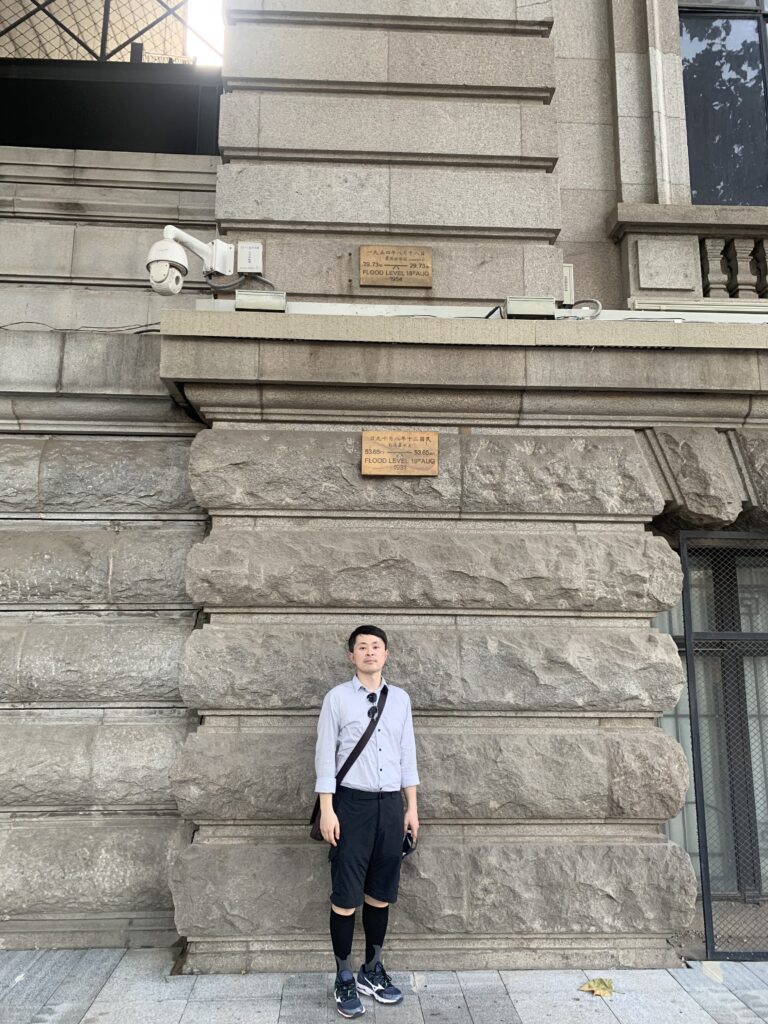
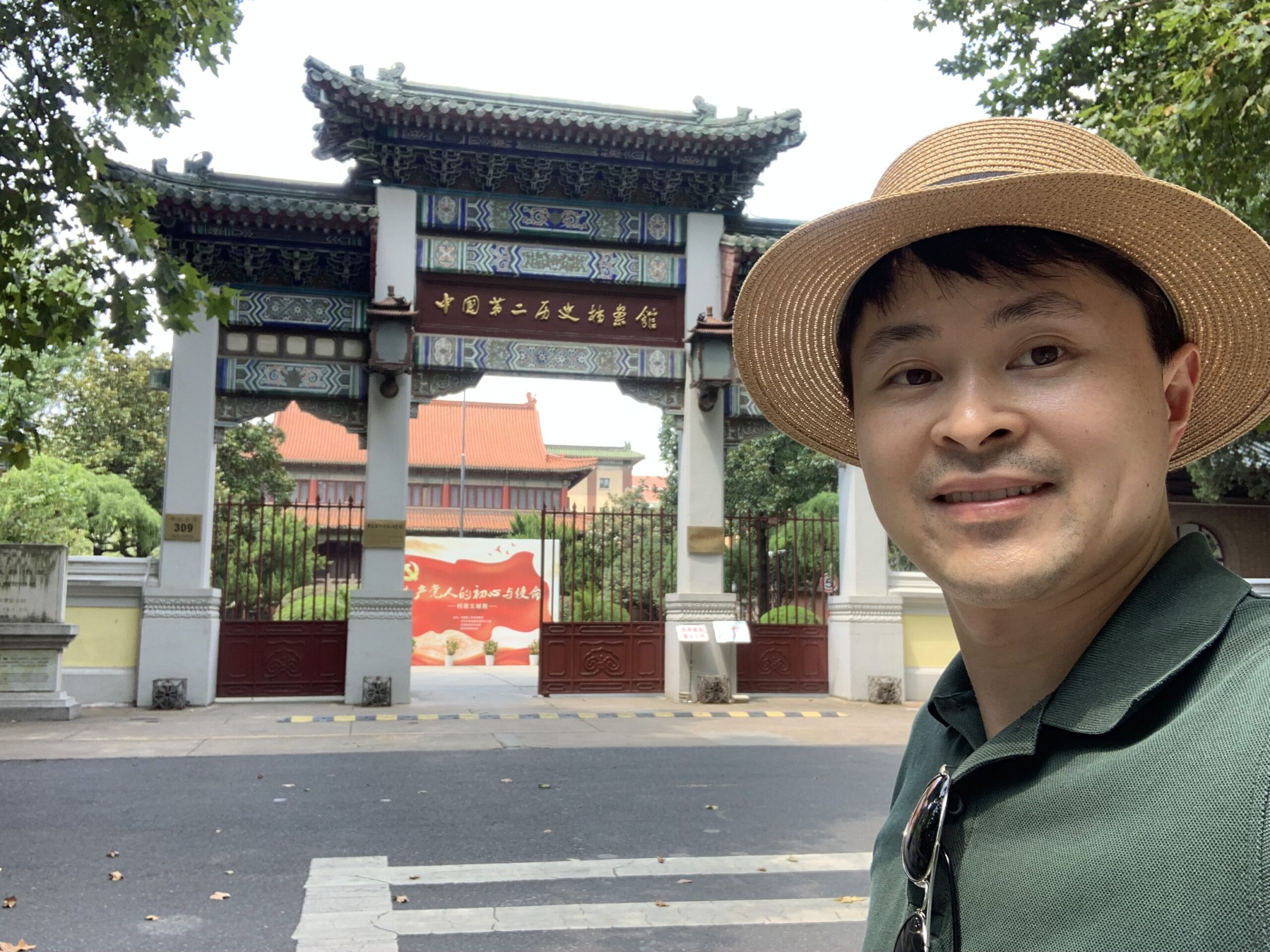
Around this time Christopher K. Tong, an assistant professor of modern languages, linguistics, and intercultural communication, was surrounded by materials he had collected during his trip to the People’s Republic of China at the Hubei Provincial Archive in Wuhan and from the No. 2 Historical Archive in Nanjing, the national repository for Republican-era government documents. He was translating and analyzing historical, government, and personal documents regarding two major environmental disasters in China during the 1930s: the Yangzi River and Yellow River floods.
Nearly a century ago, the communities surrounding the third- and sixth-longest river systems in the world experienced the most severe flooding in modern China’s history, inundating thousands of miles of land, killing millions of people, and leading to extensive disease and famine.
Witnessing the coverage of the Zhengzhou flood, and watching the past and present intersect, was an extraordinary moment for Tong. Live, minute-by-minute social media posts gave insight into the catastrophic experience. By contrast, the floods from the 1930s did not have such personal coverage. First-person accounts tended to be handwritten letters and only some reached audiences beyond their villages, allowing for a select few, in cities far away from the areas most impacted, to understand what was happening on the ground.
“The Zhengzhou floods confirmed for me how important environmental humanities research is and how this scholarship sheds light on society and politics,” says Tong, who compares the impact of the floods to the impact the Dust Bowl of America’s Great Depression had on American society and politics. This deep research into the political—and personal—nature of environmental disasters like these has won Tong recognition among humanities scholars, social scientists, and policy analysts alike.
The Henry Luce Foundation and the American Council of Learned Societies recently awarded Tong one of 11 prestigious Early Career Fellowships in China Studies, providing funding for an academic year of research, writing, and curriculum development to help meet the needs of China studies in the 21st century. Tong will use this time and rich material to write his book on ecological consciousness and political representation in modern China.
“One of the goals of my book is to offer readers resources to ‘think with China’ on shared concerns such as ecological crises, human rights, and animal advocacy,” says Tong. “I see my work as contributing to cultural diplomacy and what people in the policy world call ‘China literacy.’”
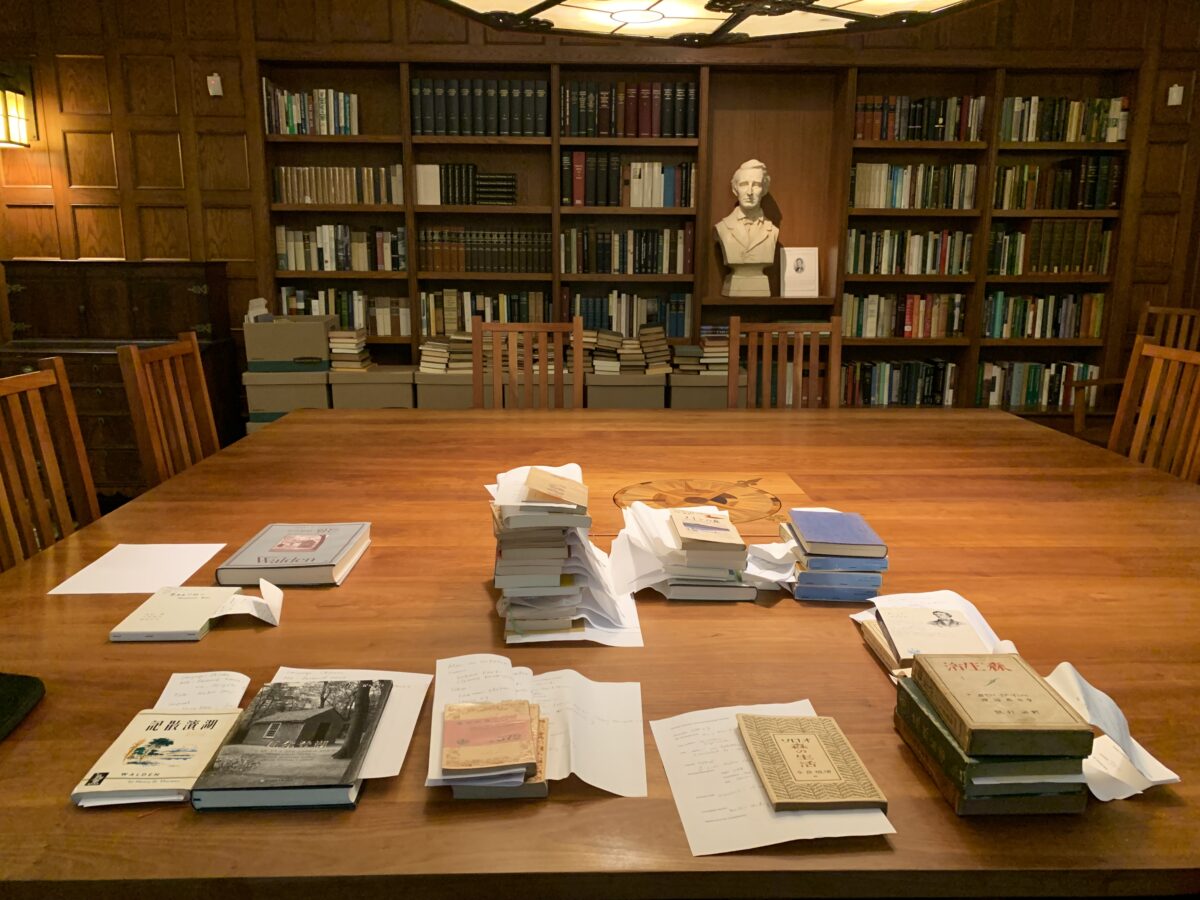
In September 2021, Tong spent two days examining, scanning, and taking notes on a number of Asian translations at the Thoreau Institute. Images courtesy of Tong.
Silent all these years
Historical and literary narratives of the Yangzi River and Yellow River floods tend to shift between focusing on facts and offering a political party’s explanation. The events are inevitably understood within the larger framework of building a national identity, especially the revolutionary history of the People’s Republic of China.
“Official narratives generally serve to build national unity, but there are always gaps and discrepancies in these narratives. It’s about whose voices are missing in the official narratives and why,” says Tong. “Unfortunately, people forget these voices over time, and my project is to recover them.
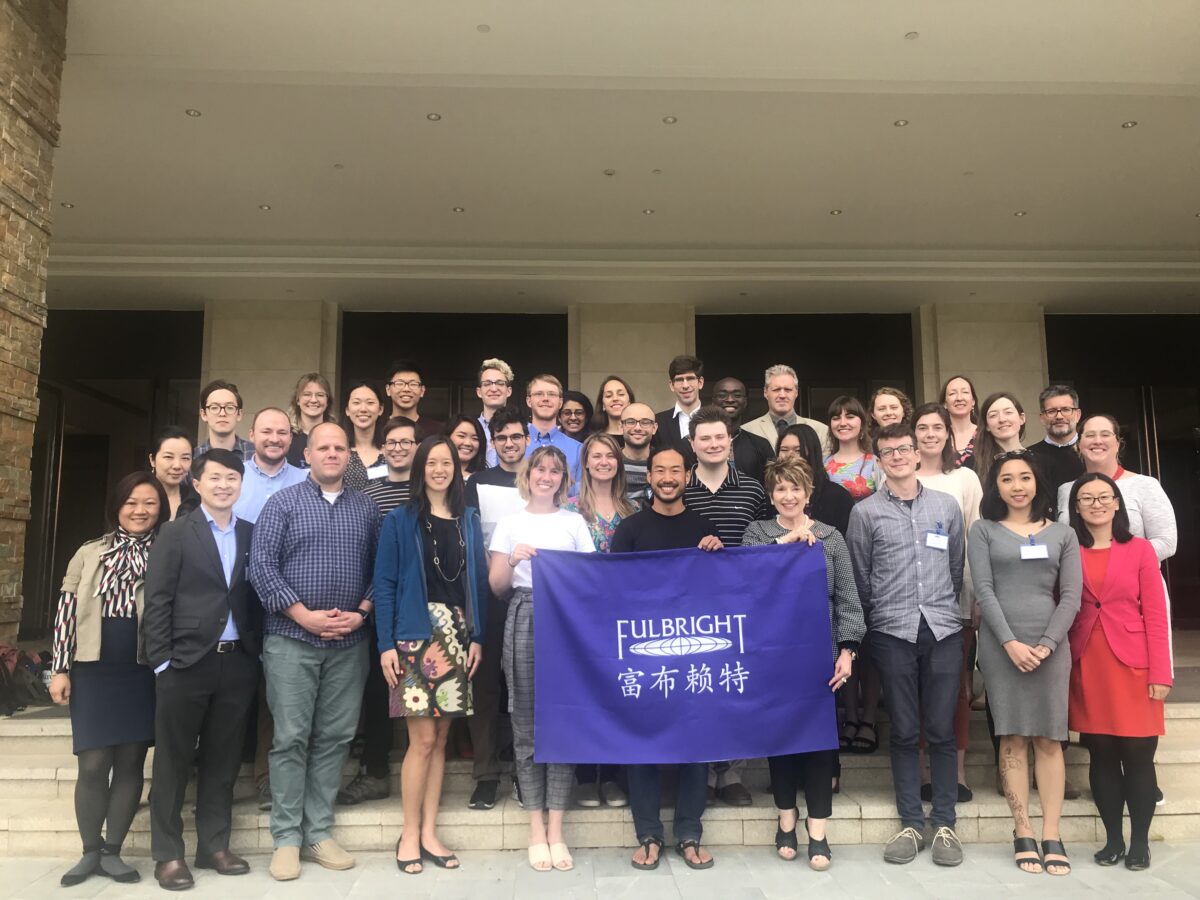
Wanting to delve into the archives on the floods to see what histories emerged, Tong first had to secure access to the archives. With access granted and the assistance of a Fulbright grant and Nanjing University, between 2018 and 2019 Tong spent 10 months in China analyzing thousands of documents written in classical and modern Chinese. In the archives, amongst letters written by survivors, correspondence between county officials and provincial and central governments lists of survivors at refugee camps, maps, logistical documents, and photos never before studied, was one of many untold stories:
“There are those who try to rescue their parents, but die in the water…There are those who hold their wives and children by the hand, but end up drowning together…[and] families that manage to escape on a single raft, but sink in the middle of the current.”
This excerpt of a rare petition letter written by a village representative was in the archives and mirrored accounts throughout the archives that spoke of death and survival. These voices, silent for decades, were not a story of revolutionary action as many histories of modern China would imply. What Tong unearthed bears witness to the lived experience of rural communities focused on repairing and managing loss. They sought help from government officials, relief workers, each other, and were more civically engaged than previously thought.
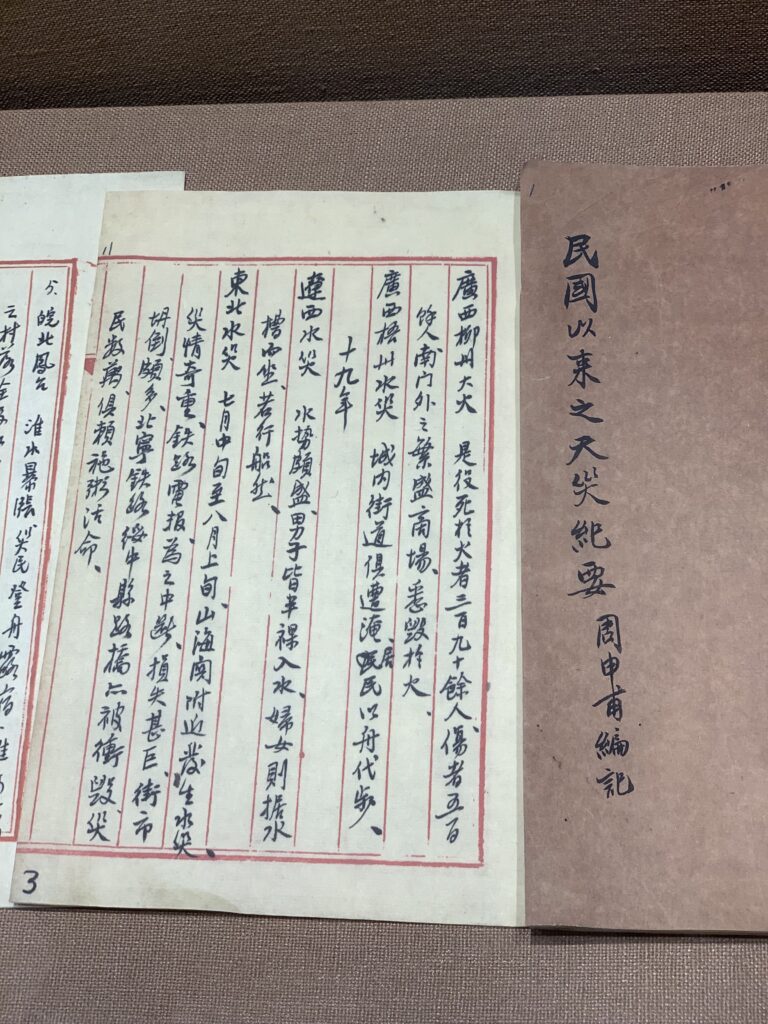
An archival document listing major environmental disasters in Republican China. Image courtesy of Tong.
“Sometimes these efforts are not given enough consideration in disaster narratives and national histories,” says Tong. “But I believe them to be important as building blocks of proto-democratic practices.” He hopes it will inspire the reconceptualization of Chinese literature and history in the early 20th century.
Kirk Denton, professor emeritus of Chinese literature at the Ohio State University and a mentor to Tong through UMBC’s Eminent Scholar Mentoring Program, gave Tong important feedback based on his own research on the representation of historical memory in Chinese and Taiwanese museums. Over the years, Denton has witnessed the evolution of Tong’s work.
“I was heartened to see a young man mature into such an accomplished scholar,” says Denton, who notes that Tong’s work “is at the forefront of the environmental humanities.”
Jessica Berman, professor of English and director of UMBC’s Dresher Center for the Humanities, says that as a scholar of comparative literature, “Christopher uses the core methods of textual analysis, critical theory, and intellectual history to bring out the ramifications of cross-cultural environmental thinking between China and the U.S. in the early 20th century.”
“The climate crisis is often portrayed as something serious that happens over time, like global warming,” says Tong. “However, with the Dust Bowl in the U. S. and floods in China, these disasters were fast and extreme and often contributed to immediate shifts in public sentiment and the government’s capacity to govern.”
Tong stands in front of Nanjing University’s auditorium at the downtown campus, which features the fusion of traditional Chinese architectural elements and modern Western construction methods. Image courtesy of Tong.
Windows to the past
For Tong, the interconnectedness of his work is both personal and professional. His interest in 20th‑century China and Hong Kong stems from his maternal grandmother’s stories about her life in mainland China in the early 20th century.
“My maternal grandmother and her sibling were artists. She went to an art academy in China briefly during W WII and was the director of a clothing company in Hong Kong after the war. One of her sisters was a film star in Hong Kong who acted opposite a young Bruce Lee in the film Thunderstorm in 1957,” he says.
He remembers learning about his great‑great‑grandfather, Jiang Kong yin, a government official and well‑respected member of the gentry during the Qing dynasty, the last imperial dynasty in China. Jiang helped with the transition from the Qing dynasty to the Republic of China (ROC). Tong’s maternal grandfather learned English early because he was from one of the founding families whose fortune was tied to British Hong Kong. This was especially useful during WWII when he worked for Allied forces in southwestern China with Chinese aviators and the Flying Tigers, U. S. volunteer aviators who fought against Japan.
Left: Tong visited Dr. Sun Yat-sen’s Mausoleum on Nanjing’s Purple Mountain and wore his Fulbright shirt as a way to commemorate the US-China connection and his Fulbright experience in China. Right: The Fulbright program in China was cut short in 2020 by the pandemic and subsequently canceled, making Tong’s visit the last full year of Fulbright exchange in the People’s Republic of China. Images courtesy of Tong.
Tong also listened to the stories of his paternal grandfather who worked for an American company in Hong Kong after WWII. His paternal grandmother came from a peasant family and joined her siblings in the U.S. Her siblings ran a Chinese restaurant in Bakersfield, California. This side of Tong’s family eventually moved to the San Francisco Bay Area where his uncles would later work for the U. S. military. California has been home to most of Tong’s family since the late 1960s.
“I’m proud that my research not only broadens scholarship in the humanities,” shares Tong, “but it is also a way to maintain my connection to my family history and imagine what it was like for them to live through those periods.”
Tong stands below two plaques on the side of the former Hankow Customs House in Wuhan, China. The plaques are placed at the high-water marks of the 1931 floods (lower) and 1954 floods (higher). Image courtesy of Tong.
Mirrors
Tong’s work also holds space for voices missing in the humanities and the environmental movement. “Ecological thought draws heavily on European and North American traditions. Non-Western cultures are often viewed as derivative or marginal,” explains Tong. “Women, people of color, and disabled people are also underrepresented as contributors to environmentalism and animal advocacy.”
He remembers how his family often didn’t feel comfortable using green space, and when they did, people often assumed they were tourists. “Before COVID, I was visiting my grandmother and went for a hike in Muir Woods,” north of San Francisco, says Tong. “People asked me where I was from and were surprised to hear I grew up in the Bay Area.” The times when they did feel comfortable, when they enjoyed spending time outdoors, those experiences were memorable and inspired his career path.
Tong hopes to spur more inclusion and representation in the humanities. The STEM fields (science, technology, engineering, and math) have benefited from the talents and scholarship of Asian Americans and Pacific Islanders, he says, but the humanities have not had equal representation. As an Asian American with Hong Kong roots, Tong has often been the sole person of color or Asian American in classes and conferences. Often, he is mistaken as the “tech-person” or assumed to be in a STEM field, he explains.
Tamara Bhalla, an associate professor of American studies and affiliate faculty in the Asian Studies program, works with Tong on the board of the UMBC Asian and Asian American Faculty and Staff Council (AAAFSC). She says, “Chris has been a tremendous leader…He has brought his expansive intellect and global knowledge to bear in his approach to leadership in AAAFSC.”
Part of this work means going beyond the classroom. Tong participated in a series of talks at the Asian Art Museum of San Francisco on the theme of “After Hope.” His project helped raise awareness of Chinese-language literature in the context of Asian American history and addressed the pandemic, immigration policies, and what wellbeing means. He includes poetry found on Angel Island in the San Francisco Bay where Chinese immigrants were detained in the early 20th century because of the Chinese Exclusion Act.
“We’re an important part of the conversation on culture, politics, and history in American society,” he says. He wants to be one of the people that students can look to and think, “I can also pursue this path and have a career in academia in a humanistic field.”
Left: At Nanjing University’s main library at the new campus in the Xianlin district. Right: At The No. 2 Historical Archive, the national repository for Republican-era government documents, in Nanjing. Images courtesy of Tong.
Last year’s flood in Zhengzhou was one of many extreme weather events in China that summer. Many cities and villages in various provinces were bombarded by the floods, killing hundreds and displacing millions.
The New York Times reported on the different accounts given by government officials, meteorologists, and on social media, including those trapped in the flooded subway, wading in the water, leaving their homes, and taking care of the dead while also dealing with COVID-19.
In the meantime, Tong has documents that remain to be analyzed in hopes they will unveil more voices and bring further clarity to China’s environmental history and its future.
“The climate crisis affects everyone every where in some way. It’s the most important issue of our generation,” says Tong. “It affects every domain of knowledge production.”
* * * * *
Header Image: A scene from the Yangzi River in China. Photo by Dong Zhang on Unsplash (2017). All other photos shared by Tong.
Michael Hassett and Chiara Collette first met each other in 2014 at the Los Angeles International Airport before boarding a 17-hour flight to the Kingdom of Tonga in the middle of the southwestern Pacific Ocean. Hassett applied to the Peace Corps hoping to be placed in Eastern Europe focusing on rural development. As a certified teacher, Collette didn’t have a specific country in mind. She was more interested in being able to teach.
Both were placed in Tonga in teaching positions. Little did they know that this shared placement would permanently intertwine their personal and professional lives. In 2018, the couple got married and co-founded an internationally recognized nonprofit, Friends of Tonga—which earned a 2021 Literacy Award from the Library of Congress. Since then, Hassett and Collette have used their literacy educational tools and public policy skills gained at UMBC, and connections in Tonga to support the island nation they have come to love.
Community building
Hassett, M.P.P. ’17, Ph.D. ’19, public policy, lived in the village of Fahefa on the main island of Tongatapu. Collette, M.A. ’21, TESOL, lived in the village of Ta’anga, on the outer island of ‘Eua part of an archipelago made of 170 islands.
Working and living alongside their community members and fellow teachers, they helped design and implement programs to further develop students’ English speaking, writing, and reading skills. As the second official language of Tonga, students are expected to master English and complete their high school entrance exams in English.
Hassett remembers within the first two months a parent asked if he could tutor her high school-aged son. He agreed to begin that very night. “As I waited, I heard the pigs and chickens run across the yard and smelled the wafting smoke of cooking fires in the air,” he remembers. Then he heard people yelling in Tongan. ”Before my eyes, my one student expanded into a crowd of high school kids from around the village, all bearing plates of food, fresh fruits, vegetables, and bread,” he says. Their parents began running out of their houses to ask if he could tutor their children, too? His one-on-one tutoring session evolved into a weekly night class.
One of Collette’s favorite teaching memories was working with 3rd and 4th-grade students on a career interest project. “Students created life-size cardboard cutouts of their heads and hands and decorated them according to the profession of their choice. “They wrote and memorized speeches explaining their career choice,” says Collette. “Students then presented their speeches to their parents while wearing their ‘professional outfits.’”
And similar to Hassett’s unexpected evening tutoring class, Collette developed a friendship with the principal at the primary school where she worked, offering help as he worked towards his bachelor’s degree in education from the University of the South Pacific remotely.
Through these experiences, Collette and Hassett forged strong friendships and partnerships giving them a great sense of connection across all sectors of the Tongan community beyond their Peace Corps experience.
At the same time, their friendship evolved into a relationship. They started dating and continued long-distance while Hassett traveled after he completed his service and when they returned back to the United States until they relocated to Baltimore together so Hassett could matriculate into UMBC’s Public Policy program as a Shriver Peaceworker. Collette became a teacher in Baltimore City Public Schools and Anne Arundel County Public Schools eventually enrolling in UMBC’s M.A. TESOL program.
Tongan allies
Focusing on their graduate degrees did not replace the bond that had grown between themselves and the people of Tonga. In 2018, cyclone Gita hit Tonga with over a hundred mile per hour winds causing the most damage in 60 years. They were not aware of any other U.S. non-profits directly working in Tonga that were not religiously affiliated. Equipped with their skills from the Peace Corps and UMBC, along with their community-engaged connections, the pair co-founded Friends of Tonga with Peace Corps colleagues, friends in the nonprofit and development community, and members of the Tongan community.
One such member is Tu’amelie Mahe, the principal Collette used to work with. He now serves as education officer for school grant and asset management at the Ministry of Education and is the current program manager for Friends of Tonga. There are also Tongan’s in New Zealand participating. “From the perspective of a New Zealand born Tongan, being a part of Friends of Tonga allows those Tongans, who are a part of the diaspora, to actively participate in charity work that directly benefits Tonga,” says Neomai Maka, a high school teacher in Auckland, New Zealand. Her parents originate from the villages of Fua’amotu and Tatakamotonga in Tonga.
What began as reactive disaster relief support work, grew to become a proactive Peace Corps model community supporting Tongan-identified initiatives like education resources, English language skill development, and building cyclone safe schools.
“I am a friend of Tonga. I’m not Tongan. I can’t speak on their behalf,” shares Hassett. “I am not interested as a white man in telling Tongans what to do or what they need. I can be an ally and I can support them and champion the causes that they tell us they need help with.”
Tongan children at school. Image courtesy of Hassett and Collette.
Weathering the storm
Later that year, they returned to Tonga for both their honeymoon and their Sapate Uluaki, a wedding celebration. Hassett’s host family, the Fainga’a family, planned this celebration weaving Hassett and Collette deeper into their Tongan community.
Hassett and Collette on their wedding day. Images courtesy of the couple.Friends celebrate the wedding of Hassett and Collette.
During this visit, Friends of Tonga was asked to help rebuild the kindergarten that had been destroyed by a category four cyclone earlier in the year and had been operating out of a tent ever since. Collette and Hassett had lived through Cyclone Ian and Kofi in January and March 2014 respectively and witnessed the damage caused by bands of heavy rain, strong winds, and flash flooding.
“We jumped in,” says Collette. The logistical challenges of building a school were great. They reached out to their friend who is the CEO of Schools for Children of the World. “It was a true collaborative effort between architects and engineers familiar with building schools in countries prone to hurricanes, the Tongan Ministry of Education, and community members,” says Hassett. Via a string of Facebook calls with engineers and architects, Tongan’s first cyclone and hurricane-resistant building was created. This one structure now functions as a school, community center, a shelter, and a place to house emergency supplies. The need for these types of structures was evident and a key factor in continuity of education and services.
Sustainable English language learning
Collette began working on assisting teachers find resources to improve English reading, writing, and speaking skills to increase student’s access to high school and further education opportunities. The obvious answer might have been increasing access to English language books but, with students spread over 170 islands, a central library would only give access to students living near the library. Books that are donated are often not aligned developmentally or content-wise. Buying books, transporting them, and managing the wear and tear caused by tropical and extreme weather makes a physical library costly and unsustainable.
The answer was not in the past but in the future. Wi-fi reaches most of the islands allowing at least one family member the use of a smartphone. A resource that is bound to grow makes digital resources sustainable. With permission from authors and volunteer readers, Collette developed a digital video library of English language beginner, intermediate, and advanced books.
Today, the library has 85 books that teachers, parents, and students can download using very little data. The theories and best practices gained during her TESOL master’s program, guided Collette in developing an English language learning curriculum for teachers and parents to use in tandem. “A video library meant rural students who didn’t have access to English language materials could download a file and share it with friends and family,” says Collette.
Collette and Hassett note that UMBC “is baked into all of our programming.” Joby Taylor, Ph.D. ’05, language, literacy, and culture, director of the Shriver Peaceworker Program, along with fellow Peaceworkers read many of the stories in the read-aloud program. Lauren Hamilton Edwards, assistant professor of public policy, is also guiding them in their strategic planning process.
Dear Tonga
Reading was only part of the puzzle needed to improve English language skills. Students needed more practice writing in English for their high school entrance exam. Collette designed a penpal program between Tongan students and students in the U.S. The written conversation became a way to learn about other cultures, practice sentence structure, and purposeful communication needed in school and in jobs.
“The results of a curriculum specifically for Tongan English language learners is exactly what the teachers, the Ministry of Education, and Friends of Tonga hoped it would be,” says Hassett. “Based on an analysis I did, the high school entrance exam scores increased by 10%.”
The Library of Congress took note and awarded Friends of Tonga, one of only 14 recipients globally, with a 2021 Literacy Award for “their implementation of highly successful practices in literacy promotion… and in recognition of the need for the international community to unite in achieving universal literacy.”
This was only the beginning. As an early childhood educator, Collette began searching for opportunities to assist the Ministry of Education and teachers to create a PreK-K program.
Then the Hunga Tonga–Hunga Ha‘apai volcano erupted on January 15, 2022, followed by a tsunami. The eruption lasted for 11 hours and devastated homes across the archipelago.
A Strong Network
In partnership with The Civil Society Forum of Tonga, teams help clean up rain collection tanks, filtering and purifying the rain water from the volcanic ash. With CSFT, volunteers work to clean up after the tsunami. Images courtesy of Hassett and Collette.
The volcano completely disconnected wi-fi service, blanketed Tonga with ash, toppled homes, and contaminated rain water collection points. Hassett and Collette did not hear from their Tongan community for weeks. Thankfully, Friends of Tonga is made up of community members in Tonga as well as in New Zealand allowing a close point of contact to provide information, identify needs, and provide direct support. Through their networks, they were able to hear that the cyclone proof school was not affected by the volcano or the tsunami.
Friends of Tonga funded $15,000 to The Civil Society Forum of Tonga, a Tongan-led and Tongan driven NGO, and fundraised $9,000 for the Mainstreaming of Rural Development Innovation Tonga Trust. The funding is helping to provide water, sanitation, hygiene services, and assist farmers with harvesting crops damaged by the tsunami before they spoil. The food is being given to the communities that were evacuated from outer islands.
“The work that began a decade ago as Peace Corps volunteers was intentionally driven to build strong, long lasting, community, and personal relationships,” shares Hassett, the 2021 recipient of UMBC’s Distinguished Service Alumni Award. “We created a strong infrastructure of people and resources that has made it possible for us to support Tongans right now more than ever before.”
Yolanda Valencia, assistant professor of geography and environmental studies, and María Célleri, assistant professor of gender, women’s, and sexuality studies, have received 12-month Career Enhancement Fellowships, funded by the Mellon Foundation and administered by the Institute for Citizens and Scholars. They represent two of nine junior faculty recipients across the country from hundreds of applicants in the 2022 award cycle. Their achievement marks the first time two UMBC junior faculty have received this award simultaneously.
The Career Enhancement Fellowship seeks to increase the presence of underrepresented junior and other faculty members in the humanities, social sciences, and arts by creating career development opportunities for selected Fellows with promising research projects. Valencia and Célleri will dedicate their fellowship to advancing their book projects.
“
“Both Drs. Célleri and Valencia conduct research that aligns well with the mission of the Institute to support scholars ‘committed to eradicating racial disparities.’ Their work further reifies UMBC’s commitment to community-engaged scholarship, in particular in often overlooked or ignored communities.”
Kimberly R. Moffitt
Dean of the College of Arts, Humanities, and Social Sciences
(l-r) María Célleri and Yolanda Valencia. (Marlayna Demond ’11/UMBC)
Thriving and oppressive geographies
In the forthcoming book Relational Life: Legal Death, Valencia will explore the Mexican immigrant community of Pasco, Washington, and how this community creates places of peace, tranquility, and family—places of belonging and meaning— under disadvantaged conditions. Her writing draws on years of fieldwork in Pasco, transnational ethnography, archival research, interviews with city leaders, and testimonies from undocumented Mexican immigrants.
“My research reveals that the city of Pasco maintains conditions that exploit immigrant labor by enforcing police violence, criminalization, and intimidation,” says Valencia. “I aim to provide a historical political economy analysis of geographies of oppression overlaid with an analysis of spaces where this community thrives, as they both happen simultaneously across scale, time, and border.”
Valencia notes how music (familiar sounds and lyrics) plays an important role in making and experiencing spaces of belonging. This Cinco de Mayo event in Pasco features second-generation Mexican immigrant musicians who have learned how to play, sing, and love traditional Mexican (and Latinx) music. It is one way in which cultural knowledge is readapted and passed on across generations. (Image courtesy of Valencia)
While at UMBC, Valencia has designed three upper-level human geography courses: Geographies of Migration, Latin American Geographies, and Qualitative Methods. She is also developing graduate seminars focused on Geographies of Conquest and Liberation.
Community of support
In addition to the Career Enhancement Fellowship, Valencia has been selected as a 2020 – 2022 Summer Institute on Tenure and Professional Advancement (SITPA) Scholar. SITPA is a mentoring and professional initiative designed to facilitate junior faculty members’ successful transition to tenured associate professor status.
The goal of SITPA is to address the persistent underrepresentation of racial and ethnic minority faculty in academia. The program is funded by a grant from the Andrew W. Mellon Foundation and is administered and hosted by the Center for the Study of Race Ethnicity, and Gender in the Social Sciences (REGSS) at Duke University
“SITPA for me means an opportunity to be part of a diverse community of support in academia, which is helping me carve spaces of belonging as a scholar in higher education,” says Valencia. Mérida Rúa, professor of Latino/a studies at Northwestern University and editor of Latino Urban Ethnography and the Work of Elena Padilla, is her mentor for both awards.
Politics and symbolism of monuments
Uncovering the Virgen del Panecillo: Quito’s Postcolonial Urban Transformation and Decolonial Future is the tentative title of Célleri’s upcoming book. She uses print media, film, photography, and decolonial feminist social, cultural, and political analysis to bring greater understanding to the political and symbolic importance of the Virgen del Panecillo. This well-known monument is a 41-meter-tall aluminum statue of the Virgin of Immaculate Conception placed in Quito, Ecuador’s colonial city center in 1976.
The Virgen del Panecillo statue standing over Quito’s colonial center. (Image from Wikimedia Commons)
“I demonstrate that uncovering the contentious history of monuments opens the possibilities for reimagining them as sites of decolonial feminist futures,” says Célleri.
“I frame the book around what I term Andean decolonial feminist imaginaries,” she explains. “This is a framework that centers Andean Indigenous cosmology as a tool for comprehensively confronting long-standing colonial logics of social control that haunt Quito’s urban landscape, and which materially affect racialized and gendered populations.”
Connecting with fellow researchers
Célleri. (Image by Mariana Orellana)
In 2019, Célleri served as a panelist at the National Women’s Studies Association annual conference (on the theme “Protest, Justice, and Transnational Organizing”) and at the Sexuality and Borders Symposium at New York University. There she presented her research on transnational feminist struggles for reproductive rights in the Andes in relation to appropriations of the monument of the Virgen del Panecillo.
“The Career Enhancement Fellowship is a recognition of my hard work and offers the opportunity to work collaboratively on my book project with colleagues and mentors that I admire,” says Célleri. Maria Amelia Viteri, an associate professor of anthropology at the University of Maryland, College Park, and senior social and gender specialist at the Inter-American Development Bank, will mentor Célleri during her fellowship. Viteri is a recognized transnational sociocultural anthropologist of globalization, gender, queer, and migration studies.
Over the past two years at UMBC, Célleri has organized the Latin American Feminisms Working Group through UMBC’s Dresher Center for the Humanities. She teaches Transnational Feminist Film and the course on Gender, Humans Rights, and Political Violence in Latin America. She will teach Indigenous and Decolonial Feminisms, a course she developed, after her fellowship.
Continuing excellence
Valencia and Célleri came to UMBC in 2019. Their work continues a strong history of UMBC scholarship earning recognition and support from the Mellon Foundation and Institute for Citizens and Scholars.
Last year, Sharon Tran, assistant professor of English, became the fifth UMBC faculty member in the humanities to receive the prestigious award. The fellowship supported her book project, Minor Forms: The Affective and Aesthetic Economies of Asian Girlhood. The book examines how the minor figure of the “Asian girl” can provide a new way of understanding U.S. racism and imperialism.
“What an honor for two of our colleagues to be acknowledged by the Institute for Citizens and Scholars amongst this stellar group of junior faculty,” says Moffitt. “Kudos to them both for their efforts to shed light on important lived experiences.”
Both of this year’s recipients will return to teach and share their work at UMBC after their one-year fellowship.